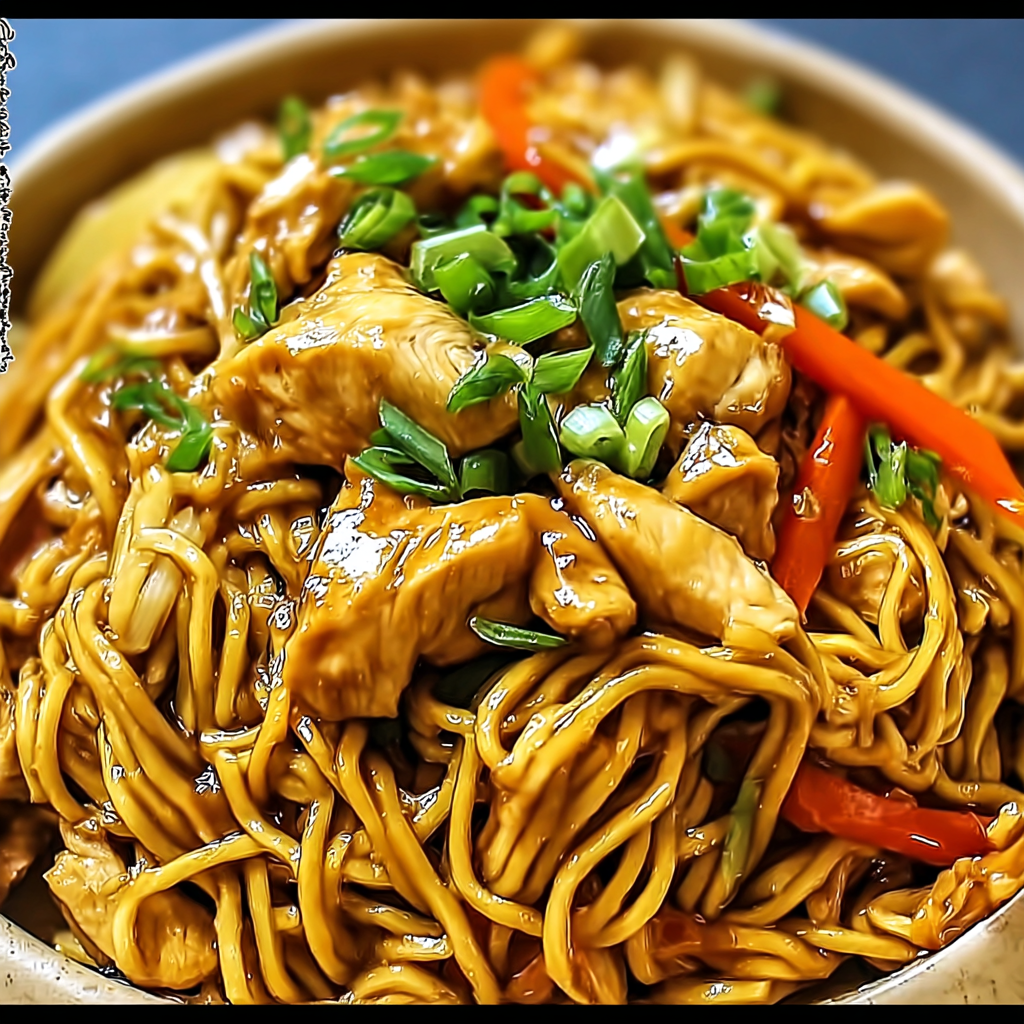
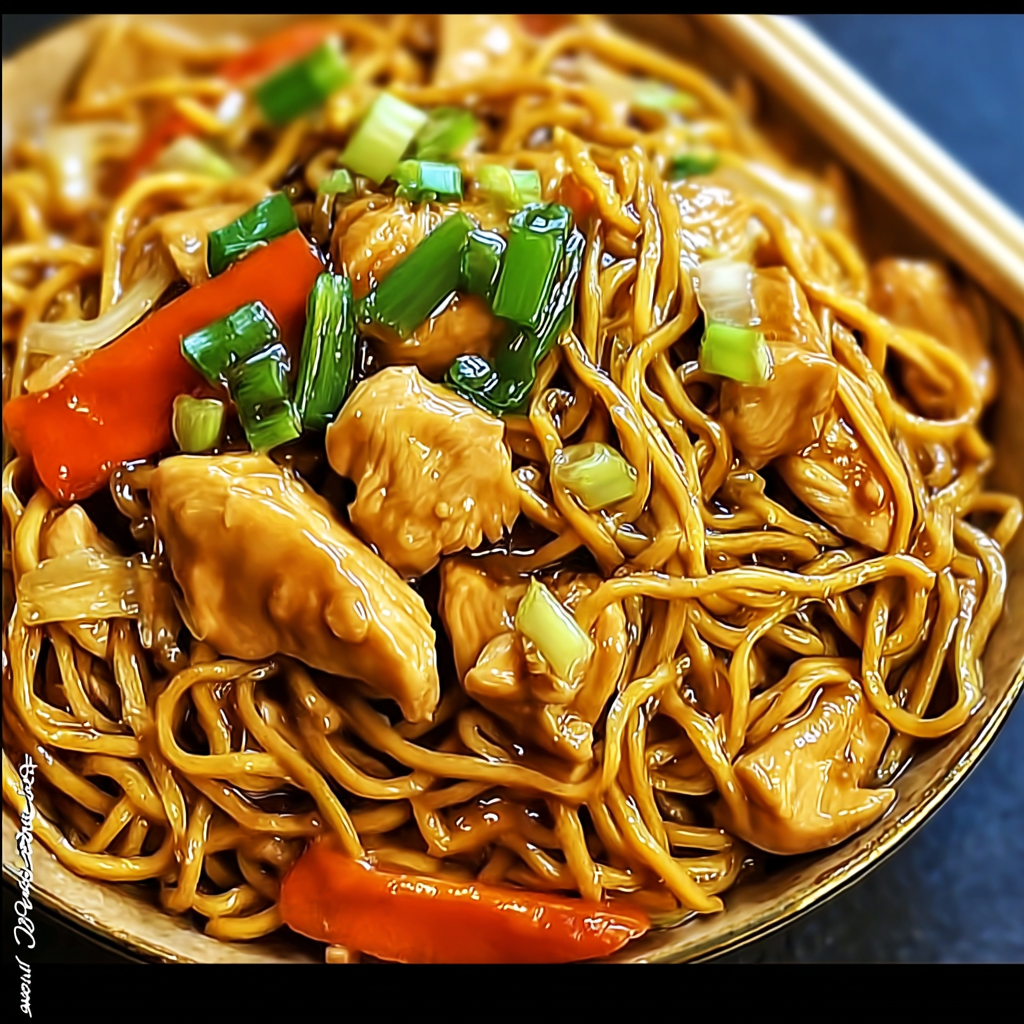
This Chicken Chow Mein delivers restaurant-quality Chinese takeout flavor in your own kitchen, featuring tender sliced chicken breast, crisp vegetables, and crunchy chow mein noodles all tossed in a savory-sweet sauce. The dish combines the satisfying texture of stir-fried vegetables with the distinctive crunch of crispy noodles, while a sauce made from soy sauce, oyster sauce, and hoisin creates layers of umami-rich flavor. With just 25 minutes from start to finish, this quick stir-fry proves you don’t need delivery apps to enjoy authentic Chinese-American comfort food at home.
Why You’ll Love This Recipe
Restaurant Flavor at Home – This recipe replicates the savory, slightly sweet flavor profile and satisfying texture combination that makes Chinese takeout so crave-worthy, all without leaving your house or paying delivery fees.
Quick Weeknight Solution – With only 25 minutes total time including prep, this dish comes together faster than ordering takeout and waiting for delivery, making it perfect for busy evenings when you need dinner fast.
Textural Contrast Perfection – The combination of tender chicken, crisp-tender vegetables, and crunchy chow mein noodles creates a multi-dimensional eating experience that keeps every bite interesting and satisfying.
Customizable Vegetable Mix – While this recipe uses cabbage and carrots, you can easily adapt it to include whatever vegetables you have on hand or prefer, making it flexible for dietary needs and personal tastes.
One-Pan Convenience – Everything cooks in a single skillet or wok, minimizing cleanup while allowing flavors to build and meld as you cook each component in sequence.
Budget-Friendly Ingredients – Using affordable chicken breast, basic vegetables, and pantry-staple sauces makes this dish significantly less expensive than restaurant versions while serving multiple people generously.
Ingredients You’ll Need
For the Chicken and Vegetables
1 lb chicken breasts, thinly sliced – Provides lean protein that cooks quickly and absorbs the sauce beautifully; slice against the grain into thin strips for tender results that stir-fry evenly.
2 cups crispy chow mein noodles – Deliver the signature crunch that defines chow mein, providing textural contrast to the tender chicken and vegetables; look for these in the Asian foods aisle.
1 cup cabbage, shredded – Adds crisp texture and subtle sweetness while providing bulk and nutritional value; napa cabbage works wonderfully, though regular green cabbage is perfectly acceptable.
1 cup carrots, julienned – Contribute color, natural sweetness, and a slight crunch that holds up well during stir-frying; pre-shredded carrots work in a pinch but fresh-cut julienne provides better texture.
½ cup green onions, chopped – Offer mild onion flavor and bright color, used both during cooking for flavor and as garnish for visual appeal and fresh bite.
2 tablespoons vegetable oil – Provides the high-heat cooking medium essential for proper stir-frying; choose neutral oils like canola, peanut, or vegetable oil that won’t burn at high temperatures.
2 cloves garlic, minced – Deliver pungent, aromatic flavor that forms the foundation of the dish’s savory profile and creates that authentic Chinese restaurant smell.
1 tablespoon ginger, minced – Adds warm, spicy-sweet notes that complement the garlic and create the signature aromatic base that defines Chinese stir-fry cooking.
For the Sauce
¼ cup soy sauce – Forms the salty, umami-rich base of the sauce; use regular soy sauce for authentic flavor or low-sodium if you prefer to control salt levels.
2 tablespoons oyster sauce – Contributes deep, savory complexity and slight sweetness with thick, glossy texture that coats the ingredients beautifully; this ingredient is essential for authentic flavor.
1 tablespoon hoisin sauce – Adds sweet, tangy notes with a hint of five-spice flavor that creates depth and complexity beyond simple soy sauce-based dishes.
1 teaspoon sesame oil – Provides nutty, toasted aroma and flavor that’s characteristic of Chinese cuisine; a little goes a long way, so use sparingly as a finishing oil rather than cooking oil.
1 tablespoon sugar – Balances the salty elements and rounds out the sauce with subtle sweetness that enhances rather than overpowers the savory components.
½ cup chicken broth – Thins the sauce to the proper consistency for coating without being too thick or too watery, while adding savory depth that reinforces the chicken flavor.
1 teaspoon cornstarch – Acts as a thickening agent that gives the sauce its characteristic glossy, clingy consistency that coats the noodles and ingredients rather than pooling at the bottom.
Step-by-Step Instructions
Prepare the Sauce Base – In a small bowl, combine the soy sauce, oyster sauce, hoisin sauce, sesame oil, sugar, chicken broth, and cornstarch, whisking vigorously until the cornstarch dissolves completely and the mixture is smooth with no lumps; set aside within easy reach of your cooking area.
Create Aromatic Foundation – Heat the vegetable oil in a large skillet or wok over medium-high heat until it shimmers, then add the minced garlic and ginger, stirring constantly for about 30 seconds until fragrant and just beginning to turn golden but not burnt.
Cook the Chicken – Add the thinly sliced chicken breast to the hot skillet in a single layer if possible, stirring frequently and allowing pieces to brown and caramelize for 5-7 minutes until golden on the outside and cooked through with no pink remaining; transfer the cooked chicken to a clean plate and set aside.
Stir-Fry the Vegetables – In the same skillet with the remaining oil and aromatic oils from the chicken, add the shredded cabbage, julienned carrots, and half of the chopped green onions, stir-frying for 3-4 minutes while tossing frequently until the vegetables are crisp-tender but still have some bite.
Combine and Sauce – Return the cooked chicken to the skillet with the vegetables, pour the prepared sauce over everything, and stir thoroughly to combine, allowing the sauce to heat through and begin thickening from the cornstarch, which takes about 1 minute.
Add the Crispy Noodles – Add the crispy chow mein noodles to the skillet and toss everything together using tongs or two spatulas, working quickly to coat the noodles evenly with sauce while they’re still crispy, cooking for 2-3 more minutes until everything is well combined and heated through.
Garnish and Serve – Remove the skillet from heat, sprinkle the remaining chopped green onions over the top as garnish, and serve immediately while the noodles retain some crunch and the dish is piping hot.
Recipe Notes & Tips
Thin Slicing is Critical – Slice chicken breasts against the grain into thin strips no more than ¼ inch thick for tender results that cook quickly and evenly; partially freezing the chicken for 15-20 minutes makes slicing much easier.
High Heat Creates Flavor – Stir-frying requires high heat to create the characteristic caramelization and “wok hei” (breath of wok) flavor; if your burner doesn’t get very hot, cook in smaller batches to maintain heat.
Cornstarch Must Dissolve – Whisk the cornstarch thoroughly into the cold sauce before heating to prevent lumps; once dissolved, the sauce can sit for the entire cooking process without separating.
Don’t Overcook Vegetables – The vegetables should retain some crunch and bright color, providing textural contrast to the tender chicken and soft noodles; overcooked vegetables become mushy and dull.
Timing the Noodles – Add the crispy chow mein noodles at the very end and toss quickly; if added too early or allowed to sit too long in the sauce, they’ll lose their signature crunch entirely.
Work Quickly and Efficiently – Have all ingredients prepped and ready before you start cooking (mise en place) because stir-frying happens fast and you won’t have time to chop or measure once the heat is on.
Nutritional Information
Prep Time: 10 minutes
Cook Time: 15 minutes
Total Time: 25 minutes
Servings: 2-4 servings (depending on appetite and side dishes)
Calories: Approximately 400 calories per serving (based on 4 servings)
Perfect Pairings
Egg Rolls or Spring Rolls – Serve alongside crispy egg rolls or fresh spring rolls to create a complete Chinese takeout experience that mimics your favorite restaurant’s combination platters.
Hot and Sour Soup – Start the meal with a bowl of tangy, spicy hot and sour soup that prepares the palate for the savory chow mein and adds variety to the meal’s flavor profile.
Steamed White or Fried Rice – While chow mein includes noodles, serving extra steamed rice on the side allows diners to stretch the meal further and provides a neutral base for extra sauce.
Asian Cucumber Salad – A cool, refreshing cucumber salad dressed with rice vinegar and sesame oil provides crisp, light contrast to the rich, savory stir-fry.
Ideal Occasions
Busy Weeknight Dinners – The 25-minute total time makes this perfect for evenings when you’re short on time but still want a satisfying, homemade meal that beats frozen dinners or takeout.
Casual Family Meals – The familiar flavors appeal to both adults and children, making this a family-friendly option that introduces homemade stir-fry cooking without intimidating or unfamiliar ingredients.
Meal Prep Sundays – This dish reheats reasonably well and can be made in larger batches for portioning into work lunches throughout the week, though the noodles will soften during storage.
Asian-Themed Dinner Parties – Serve this as one dish in a larger spread of Asian-inspired foods when hosting friends, allowing guests to sample multiple flavors and styles in one meal.
Storage & Serving Tips
Immediate Serving is Best – Chicken chow mein tastes best when served immediately while the noodles retain some crunch and all components are hot; the textural contrast diminishes significantly as it sits.
Refrigerator Storage – Store leftovers in an airtight container in the refrigerator for up to 3 days, understanding that the crispy noodles will soften and absorb sauce, creating a different but still delicious texture.
Reheating Method – Reheat in a skillet over medium heat with a splash of water or broth to revive the sauce, or microwave in 1-minute intervals, stirring between each; avoid overcooking which makes the chicken rubbery.
Keep Noodles Separate – For best results when meal prepping, store the sauce-coated chicken and vegetables separately from the crispy noodles, adding the noodles only when ready to eat to maintain maximum crunch.
Creative Variations to Try
Beef or Shrimp Version – Replace chicken with thinly sliced flank steak, sirloin, or large shrimp for different protein options that cook equally quickly and absorb the sauce beautifully.
Vegetarian Chow Mein – Omit the chicken and double the vegetables, adding mushrooms, snap peas, bell peppers, and bean sprouts while using vegetable broth instead of chicken broth for a plant-based version.
Spicy Szechuan Style – Add 1-2 teaspoons of chili garlic sauce or Szechuan peppercorns to the sauce for a spicy kick that transforms this into a more assertive, heat-forward dish.
Soft Noodle Alternative – Replace the crispy chow mein noodles with cooked lo mein noodles, fresh Chinese egg noodles, or even linguine for a softer texture that’s more traditional in some regional variations.
Troubleshooting Common Issues
Chicken is Tough or Rubbery – Overcooking or using thick slices causes toughness; slice against the grain into thin strips and don’t cook beyond the point where pink disappears to maintain tender texture.
Sauce is Too Thin or Watery – If the sauce doesn’t thicken properly, the cornstarch may not have been mixed thoroughly or the sauce wasn’t allowed to simmer; whisk a slurry of additional cornstarch and cold water, then stir into the dish.
Vegetables are Mushy – Overcooking on too-low heat steams rather than stir-fries vegetables; maintain high heat and cook vegetables only 3-4 minutes maximum to preserve crisp-tender texture.
Noodles Get Soggy Instantly – If noodles lose crunch immediately upon contact with sauce, your sauce may be too thin or you’re adding noodles too early; add them at the very end and toss quickly just before serving.
Why This Recipe Works
This Chicken Chow Mein succeeds by following the fundamental principles of proper stir-fry technique while incorporating the specific flavor profile that defines Chinese-American restaurant cooking. The aromatics—garlic and ginger—are cooked first to infuse the oil with flavor that then permeates every ingredient added after. Cooking the chicken separately before the vegetables ensures it develops proper caramelization without overcooking, while removing it prevents it from becoming rubbery as vegetables cook. The sauce combines multiple umami-rich ingredients (soy sauce, oyster sauce, hoisin) that create complexity beyond any single flavoring, while sugar balances saltiness and cornstarch provides the glossy, clingy consistency that coats ingredients properly. Adding the crispy noodles at the very end preserves their crunch while allowing them to absorb just enough sauce for flavor without becoming soggy. The high-heat cooking method creates the characteristic slightly charred, caramelized flavor called “wok hei” that separates restaurant stir-fry from home-cooked versions. At approximately 400 calories per serving, this dish provides substantial protein and vegetables in a moderate calorie package that’s healthier than many deep-fried Chinese takeout options.
Final Thoughts
This Chicken Chow Mein proves that restaurant-quality Chinese food is entirely achievable at home with basic ingredients, proper technique, and just 25 minutes of your time. The combination of tender chicken, crisp vegetables, and crunchy noodles in a savory-sweet sauce creates the comforting, satisfying experience that makes Chinese takeout so appealing, but with the added benefits of knowing exactly what goes into your food and controlling sodium, oil, and ingredient quality. While this is a relatively balanced dish featuring lean protein and vegetables, you can make it even healthier by increasing the vegetable ratio, using low-sodium soy sauce, or reducing the oil slightly. The versatility of stir-fry cooking means you can adapt this recipe endlessly based on what’s in your refrigerator, making it not just a single recipe but a technique you’ll return to repeatedly. Whether you’re trying to save money, avoid delivery fees, eat healthier, or simply enjoy the satisfaction of cooking, this Chicken Chow Mein delivers authentic flavor and impressive results that prove homemade beats takeout every time.