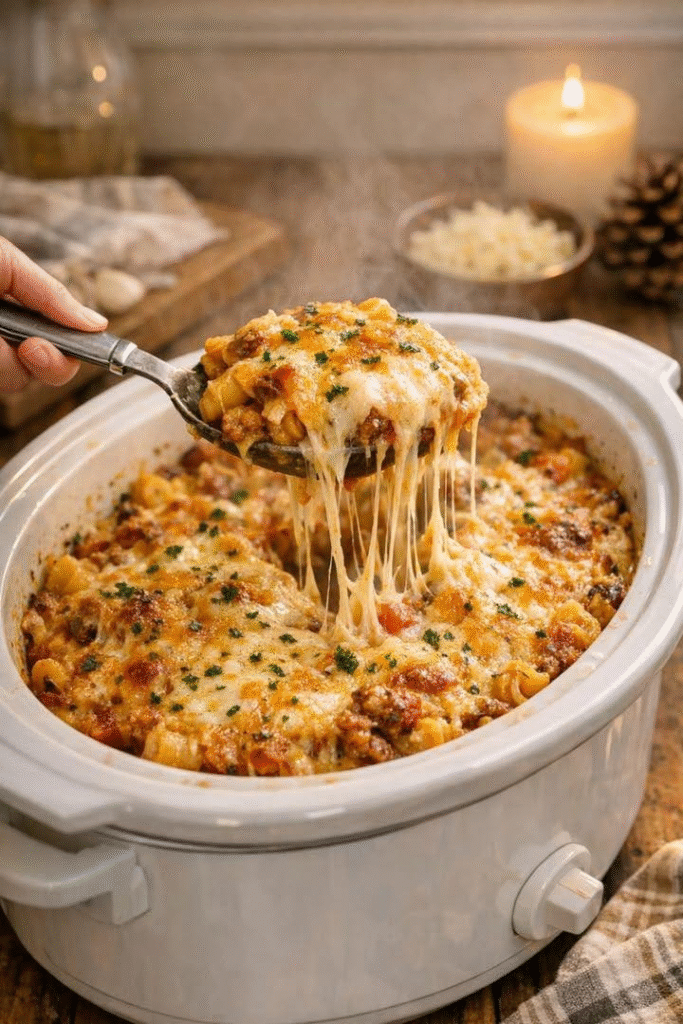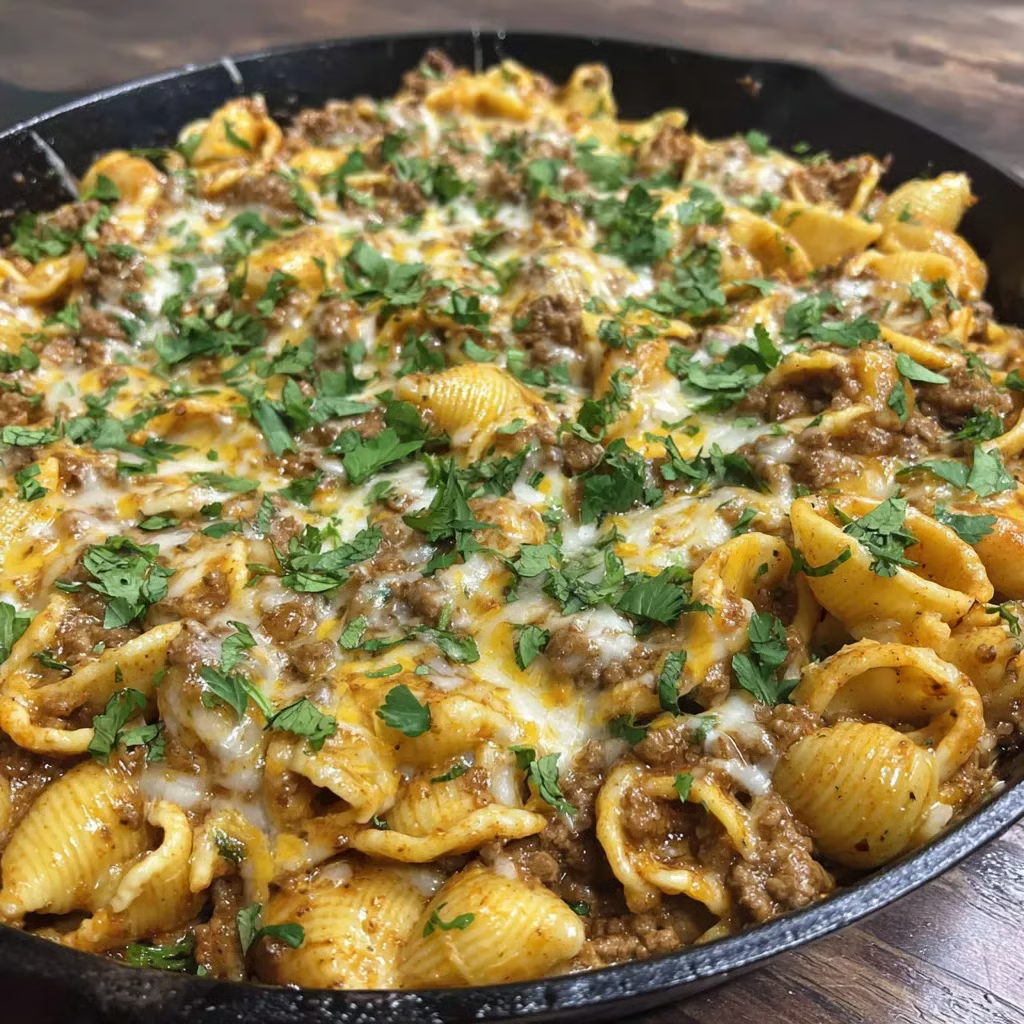
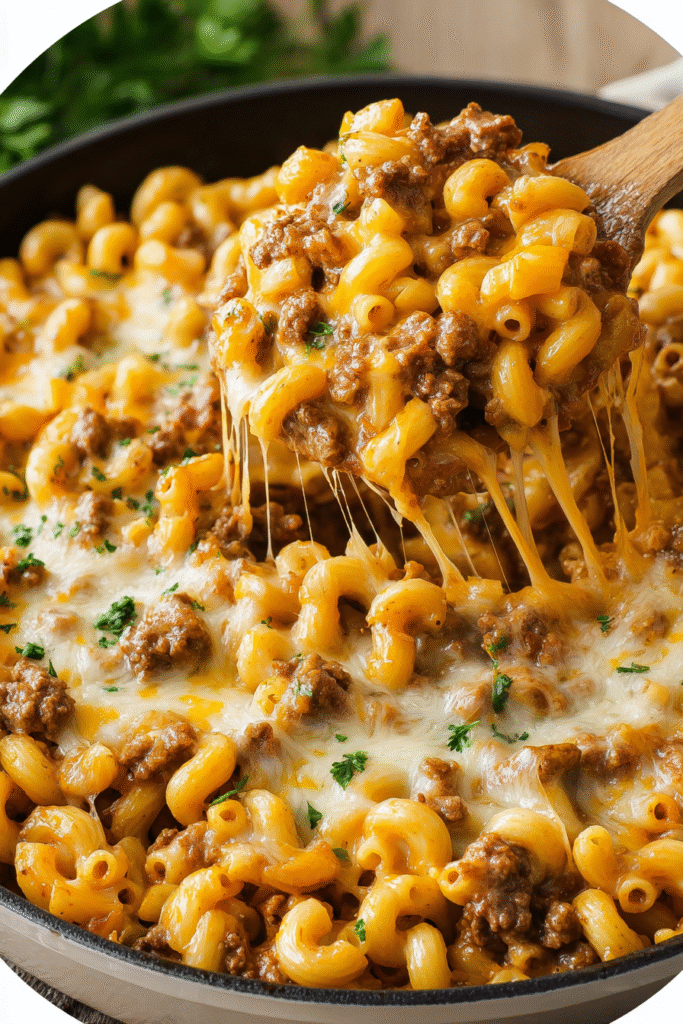
This skillet-to-table comfort classic combines seasoned ground beef, tender pasta, and vegetables in a creamy, savory sauce enriched with melted provolone cheese, delivering the beloved flavors of a Philly cheesesteak in convenient one-pan dinner format. The recipe transforms simple pantry staples into a hearty, satisfying meal that cooks entirely on the stovetop without requiring separate pasta boiling, sauce preparation, or additional dishes. With its straightforward technique, minimal active cooking time, and nostalgic flavors reminiscent of classic American comfort food, this skillet dinner proves that homemade versions of boxed helpers can be prepared quickly while delivering superior taste, better ingredients, and customizable results that beat commercial alternatives.
Why You’ll Love This Recipe
- True One-Skillet Simplicity – The entire meal cooks in a single large skillet with no separate pots or colanders required, making both preparation and cleanup remarkably efficient for busy weeknights.
- Faster Than Boxed Helpers – While matching the speed of commercial versions, this homemade recipe uses fresh vegetables, quality cheese, and ingredients you can pronounce, delivering superior flavor without the preservatives and additives.
- Cheesesteak Flavors Without the Hassle – This recipe captures the savory, cheesy satisfaction of a Philly cheesesteak sandwich in convenient skillet format that requires no bread, slicing, or special equipment.
- Vegetable-Forward Nutrition – Unlike basic boxed helpers, this version incorporates diced onion, bell pepper, and aromatics that add nutritional value, fiber, and genuine vegetable texture rather than merely flavoring compounds.
- Completely Customizable – The base formula easily accepts additions like mushrooms, jalapeños, different cheeses, hot sauce, or proteins, allowing personalization based on preference or ingredient availability.
- Budget-Friendly Excellence – Despite its gourmet taste and quality ingredients, this dish costs less per serving than takeout or restaurant versions while feeding the entire family.
Ingredients You’ll Need
For the Base Proteins and Aromatics
- 1 lb ground beef – Provides the hearty, savory protein foundation; choose 80/20 lean-to-fat ratio for optimal flavor without excessive grease requiring extensive draining.
- 1 tablespoon olive oil – Creates the initial cooking medium for vegetables; regular olive oil works best as extra virgin has a lower smoke point and can burn at skillet temperatures.
- 1 small onion, diced – Adds sweet, aromatic depth when sautéed; approximately 1/2 cup diced, diced into 1/4-inch pieces for even cooking and distribution throughout the dish.
- 1 green bell pepper, diced – Contributes fresh, slightly sweet vegetable flavor and crisp texture that becomes tender during cooking; approximately 1 cup diced into 1/4-inch pieces.
- 3 cloves garlic, minced – Delivers pungent, savory aromatic depth; mince finely and cook briefly to prevent harsh flavors or burning at high temperatures.
For the Sauce and Cooking Liquid
- 2 cups beef broth – Provides the savory, umami-rich liquid base; use low-sodium broth to maintain control over salt levels and allow for seasoning adjustment at the end.
- 2 cups milk – Creates creamy richness that transforms into a sauce when combined with cheese; whole milk provides best flavor and consistency, though 2% works adequately.
- 1 tablespoon Worcestershire sauce – Adds complex, umami depth with slight sweetness and tang that enhances the savory, cheesesteak-like character of the dish.
For the Pasta and Cheese
- 2 cups uncooked pasta (elbow or cavatappi) – Provides the starchy base that absorbs the sauce; measure dry pasta before cooking, which yields approximately 4 cups cooked pasta.
- 2 cups shredded provolone cheese (or mozzarella) – Creates the melted, gooey texture characteristic of cheesesteak; provolone offers sharp, slightly smoky flavor while mozzarella provides mild taste and superior meltability.
For Seasoning and Garnish
- 1 teaspoon paprika – Adds subtle warmth, color, and mild peppery flavor that complements beef and cheese; use sweet paprika for gentler flavor or smoked paprika for deeper, smokier profile.
- 1/2 teaspoon salt – Seasons the overall dish; start with this amount and adjust upward if needed, as beef broth may already contain sodium.
- 1/2 teaspoon black pepper – Provides subtle heat and complexity; freshly ground offers superior aroma and taste compared to pre-ground varieties.
- Fresh parsley for garnish – Adds bright, fresh herbaceous flavor and visual color that lifts the rich, savory dish; flat-leaf Italian parsley offers superior flavor compared to curly varieties.
Step-by-Step Instructions
Sauté the Aromatics
Heat the olive oil in a large skillet (12-inch diameter ideal) over medium heat until shimmering, then add the diced onion, green bell pepper, and minced garlic. Cook for 3-4 minutes, stirring occasionally, until the vegetables are softened, translucent, and fragrant with the garlic just beginning to turn golden at the edges. Don’t allow the garlic to brown completely, as this creates harsh, bitter flavors.
Brown the Ground Beef
Add the ground beef to the vegetable mixture and increase heat to medium-high, breaking up the meat with a wooden spoon or spatula into small, uniform crumbles as it cooks. Continue cooking for 4-5 minutes, stirring occasionally, until the beef is no longer pink and has developed a light brown color. Drain excess fat by carefully tilting the pan and spooning out grease, or briefly transfer the mixture to a colander and return to the skillet.
Build the Creamy Sauce Base
Reduce heat to medium and stir in the beef broth, milk, Worcestershire sauce, paprika, salt, and black pepper, stirring well to combine all ingredients evenly. Bring the mixture to a gentle simmer, then add the uncooked pasta, stirring to separate the strands and ensure even distribution throughout the liquid.
Cook the Pasta
Cover the skillet with a lid (or aluminum foil if a lid isn’t available) and cook for 12-15 minutes, stirring occasionally and checking the pasta at the 12-minute mark. The pasta should be tender and the liquid mostly absorbed—some creamy sauce should remain in the bottom of the pan, not excessive liquid but enough to create the final creamy consistency.
Incorporate the Cheese
Remove the skillet from heat (though it can remain on low heat if needed) and add the shredded provolone or mozzarella cheese in handfuls, stirring gently after each addition until the cheese melts completely into the surrounding sauce. Continue stirring until all cheese is incorporated and the mixture is smooth, creamy, and thoroughly combined with no visible clumps of unmelted cheese.
Finish and Serve
Taste the finished dish and adjust seasoning with additional salt, pepper, or paprika as needed. Transfer the cheese steak hamburger helper to serving bowls or plates directly from the skillet, garnishing each portion with fresh chopped parsley. Serve immediately while hot, as the creamy cheese sauce will continue thickening as it cools.
Recipe Notes & Tips
- Pasta Doneness Timing – Timing varies based on pasta shape and brand; check at 12 minutes and continue cooking in 1-minute increments if needed, as pasta can vary significantly in cooking time.
- Liquid Absorption Balance – The dish should finish with creamy sauce remaining, not dried out or overly soupy; adjust cooking time in final minutes if necessary, and ensure lid is properly covering the skillet to maintain moisture.
- Cheese Selection Impact – Provolone delivers sharper, more distinctive flavor reminiscent of actual cheesesteak, while mozzarella provides milder taste and better melting; a combination of both offers balanced flavor and superior texture.
- Draining Technique – Thorough fat draining prevents the finished dish from becoming overly greasy; if your ground beef is particularly fatty, reserve additional fat beyond the immediate spoon-out to reduce overall richness.
- Worcestershire Function – This ingredient adds umami depth and slight tang that’s essential for cheesesteak character; don’t skip it, as omitting significantly flattens the flavor profile.
- Vegetable Texture Preference – If you prefer softer vegetables, add them in step 1; if you prefer more texture and crunch, add them with the beef in step 2 for shorter cooking.
Nutritional Information
- Prep Time: 10 minutes (chopping vegetables and measuring ingredients)
- Cooking Time: 25 minutes (approximately 4-5 minutes browning, 3-4 minutes aromatics, 12-15 minutes pasta cooking)
- Total Time: 35 minutes
- Servings: 6 generous servings (approximately 1.5 cups per serving)
- Calories: Approximately 520-560 per serving (estimated based on standard ingredients and portion sizes)
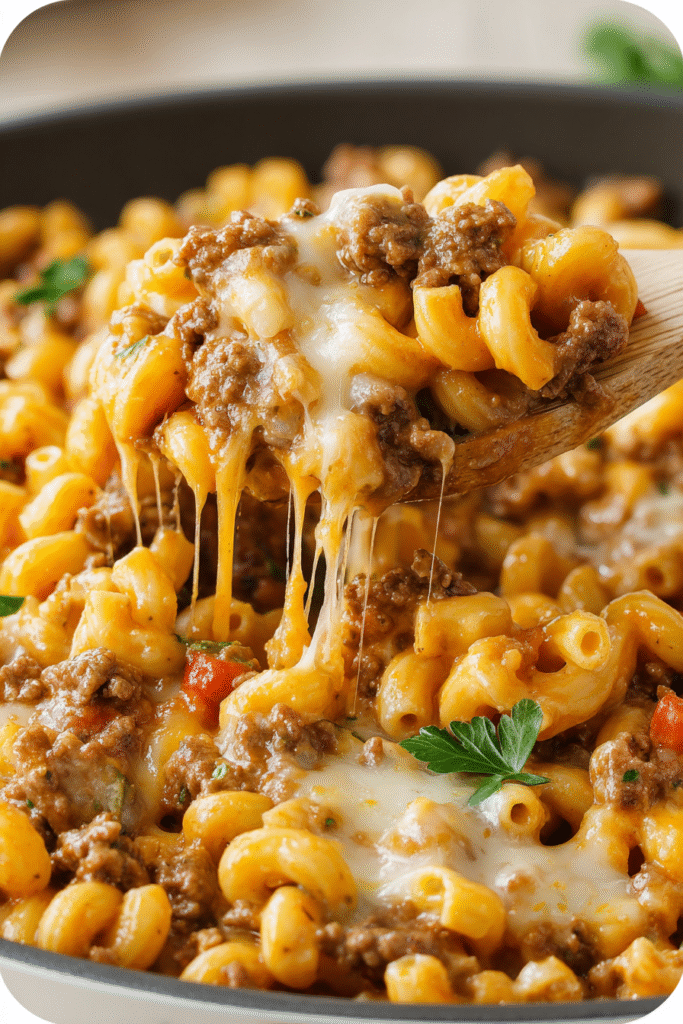
Perfect Pairings
- Simple Green Salad – Serve alongside a crisp mixed green salad dressed lightly with Italian vinaigrette to provide fresh contrast and cut through the rich, cheesy creaminess.
- Garlic Bread or Breadsticks – Accompany with warm garlic bread, breadsticks, or crusty baguette slices for soaking up any remaining creamy sauce and adding satisfying carbohydrates.
- Steamed Broccoli – Pair with simple steamed or roasted broccoli seasoned with salt, pepper, and a squeeze of lemon juice for added green vegetables and fresh flavor.
- Iced Iced Tea or Lemonade – Serve with cold beverages that cleanse the palate between bites of this rich, savory, cheesy dish.
Ideal Occasions
- Weeknight Family Dinners – The 35-minute total time and minimal active preparation make this perfect for busy weeknights when you need satisfying meals without extensive planning or cooking.
- Kids’ Favorites – The familiar cheesesteak flavors, creamy cheese sauce, and soft pasta appeal strongly to children, making this an excellent choice for family meals where picky eaters are present.
- Quick Entertaining – Prepare for casual dinner guests or potlucks when you want to serve something homemade and special without requiring hours of preparation or complex techniques.
- Budget-Conscious Meals – Serve when feeding a family on a tight budget, as the cost per serving is remarkably low while the satisfaction level is quite high.
Storage & Serving Tips
- Refrigerator Storage – Store leftover cheese steak hamburger helper in an airtight container in the refrigerator for 3-4 days; the flavors meld beautifully and the dish often tastes even better the next day.
- Reheating Instructions – Reheat individual portions in the microwave for 1-2 minutes until steaming hot, stirring halfway through; or reheat the entire batch in a skillet over low heat with 2-3 tablespoons of milk or broth to restore creamy consistency.
- Freezer Storage – Cool completely, transfer to freezer-safe containers or bags, and freeze for up to 3 months; thaw overnight in the refrigerator before reheating in a skillet with additional milk if the sauce appears thick.
- Texture Restoration – If the dish becomes too thick during storage or reheating, stir in milk one tablespoon at a time until reaching desired creamy consistency, as pasta continues absorbing sauce as it sits.
Creative Variations to Try
- Philly Cheesesteak Authentic Version – Add sautéed mushrooms and caramelized onions, use only provolone cheese, and serve in crusty hoagie rolls for more traditional cheesesteak experience.
- Hot Sauce Heat – Stir in 1/4 to 1/2 teaspoon cayenne pepper or add a splash of hot sauce (Frank’s RedHot or similar) to the liquid for those preferring spicy variations.
- Mushroom Addition – Sauté 1-2 cups of sliced mushrooms (cremini or baby bella) with the initial vegetables for earthy depth and additional umami complexity.
- Bacon Cheeseburger Version – Cook 6-8 slices of bacon until crispy, crumble, and add to the finished dish; replace some beef with the bacon for elevated flavor.
Troubleshooting Common Issues
- Watery, Loose Final Dish – Insufficient pasta cooking time or too much liquid remaining; cover and simmer an additional 3-5 minutes, stirring occasionally, until more liquid absorbs.
- Thick, Gluey Texture – Over-cooked pasta or insufficient liquid; prevent by checking pasta at 12 minutes and adjusting time accordingly; add milk by the tablespoon if the mixture becomes too thick.
- Grainy or Separated Cheese Sauce – Excessive heat or low-quality cheese can cause graininess; ensure heat is moderate when adding cheese, stir gently, and use fresh, quality cheese.
- Bland Overall Flavor – Under-seasoning or omitting Worcestershire sauce flattens the flavor profile; ensure you’re using the full tablespoon of Worcestershire and tasting to adjust salt and pepper adequately.
Why This Recipe Works
Cheese Steak Hamburger Helper succeeds through the simple principle of cooking pasta directly in the sauce-building liquid, which allows the starch from the pasta to meld with the milk and broth, creating a naturally thickened, creamy sauce without requiring a flour-based roux or additional thickening agents. The beef provides savory, meaty depth while the browned exterior develops complex flavors through the Maillard reaction. Fresh vegetables—onion, pepper, and garlic—add aromatic compounds and natural sugars that develop flavor complexity beyond what dried spices alone could provide. The combination of beef broth (savory umami), milk (rich creaminess), and cheese (additional umami and flavor) creates a multilayered sauce that tastes far more sophisticated than the sum of its simple components. Worcestershire sauce contributes subtle sweetness, tang, and umami that all together create an almost cheesesteak-like character in savory depth. The provolone or mozzarella cheese melts smoothly into the warm sauce, creating the signature gooey, creamy texture that defines this dish’s appeal. At approximately 520-560 calories per serving, this represents a moderate main course where calories derive from protein (ground beef, cheese), carbohydrates (pasta), and fats (beef, milk, cheese)—a balanced profile that provides sustained energy and satisfaction without excessive indulgence.
Final Thoughts
Cheese Steak Hamburger Helper demonstrates how homemade cooking transforms familiar convenience products into superior versions using simple techniques, quality ingredients, and minimal additional time. This recipe appeals particularly to those seeking faster alternatives to boxed helpers, parents managing family feeding on budgets, or anyone craving cheesesteak satisfaction without leaving home or requiring restaurant expenses. The straightforward preparation—chop, sauté, stir, simmer, add cheese—makes this accessible to novice cooks while the customizable nature allows experienced cooks to personalize based on preference. The one-skillet format particularly appeals to those with limited kitchen equipment or strong preferences for minimizing cleanup. While the 520-560 calorie estimate per serving represents a moderate dinner entrée, this is an intentionally indulgent dish designed around the satisfaction of cheesy, savory comfort food rather than nutritional density or lightness. For those seeking lighter versions, consider using ground turkey or chicken, reducing cheese slightly, increasing vegetable content, or using half-and-half instead of full milk; though these modifications will alter the signature richness that defines the dish’s appeal. Ultimately, this recipe deserves a permanent place in everyday cooking repertoires as proof that satisfying, delicious homemade versions of convenience foods need not require extensive preparation time, expensive ingredients, or advanced culinary techniques.