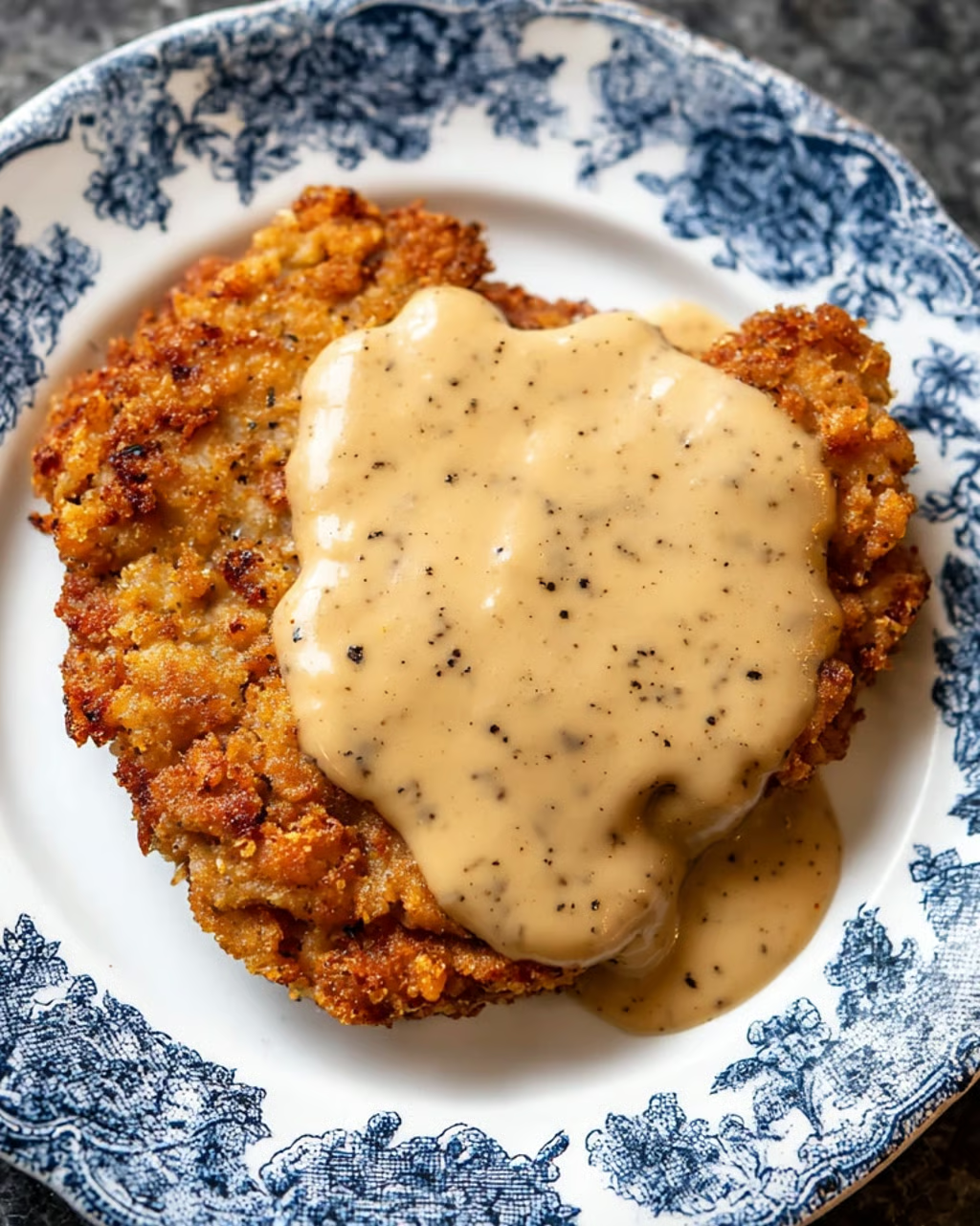
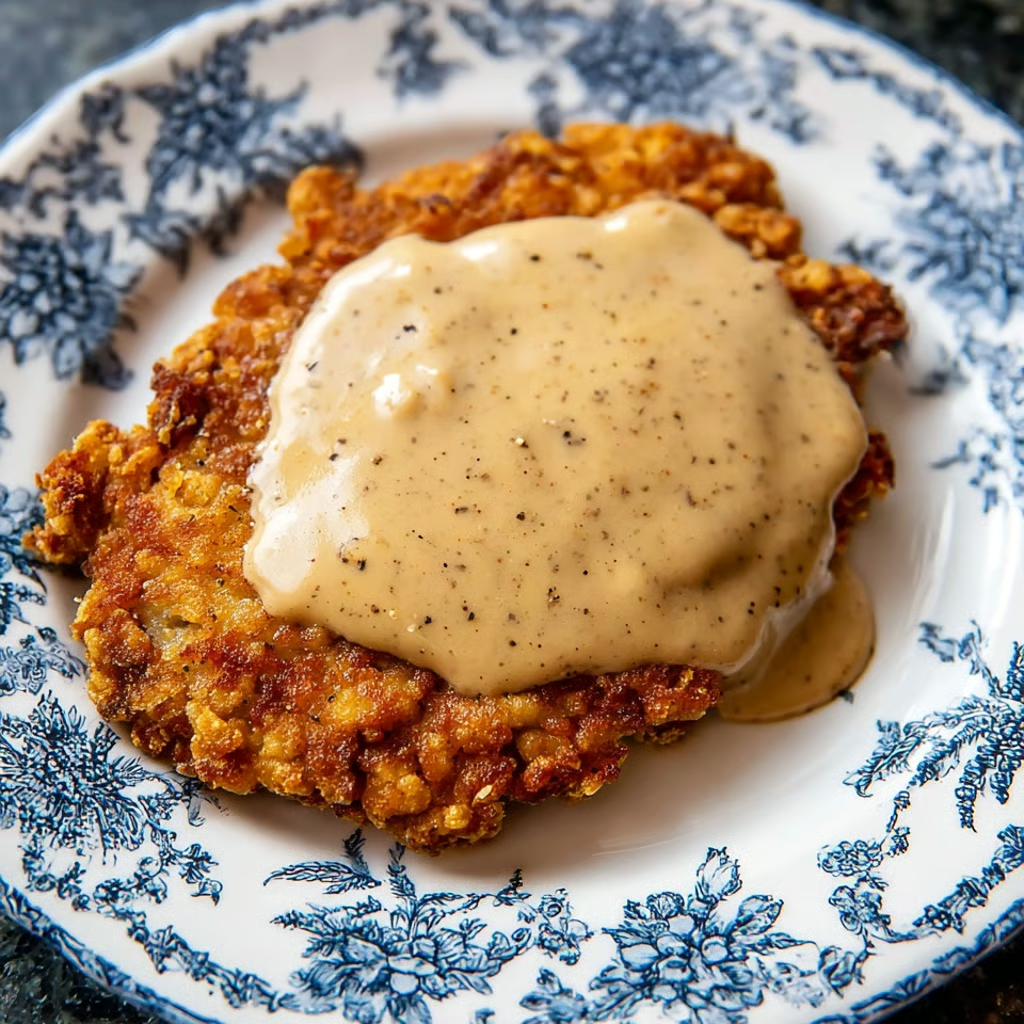
This Chicken Fried Steak with Creamy Gravy is a classic Southern comfort food that features tenderized cube steak coated in seasoned flour, fried until golden and crispy, then smothered in rich, peppery pan gravy made from the drippings. By double-dredging the steak in flour and egg wash before frying, this recipe creates the signature craggy, crispy coating that defines authentic chicken fried steak, while the cream gravy—made by building a roux from the flavorful pan drippings—delivers the essential creamy, savory counterpoint. The result is tender meat beneath a shatteringly crisp crust, all crowned with velvety gravy that soaks into every nook and cranny—perfect for Sunday dinners, comfort food cravings, or anyone seeking a taste of traditional Southern cooking.
Why You’ll Love This Recipe
- Restaurant-Quality Crust – The double-dredging technique creates the deeply craggy, ultra-crispy coating that defines authentic chicken fried steak and stays crispy under the gravy.
- Tender Meat Guaranteed – Using pre-tenderized cube steak or properly pounded round steak ensures the meat is fork-tender rather than tough and chewy.
- Homemade Cream Gravy – Making gravy from the flavorful pan drippings delivers far superior taste compared to packaged gravy mixes or jarred versions.
- Classic Southern Comfort – Delivers the authentic taste of traditional Southern cooking that generations have loved, evoking nostalgia and home-cooked satisfaction.
- Ready in 40 Minutes – Despite its impressive appearance and restaurant-quality results, this meal comes together in less than an hour from start to finish.
- Budget-Friendly Elegance – Uses affordable cube steak or round steak to create a substantial, satisfying meal that feeds 4 people without expensive ingredients.
Ingredients You’ll Need
For the Chicken Fried Steak:
- 1 pound pre-tenderized cube steaks or round steaks (4 steaks, about 4 ounces each) – Provides the beef foundation; cube steaks are pre-tenderized, while round steaks require pounding
- Kosher salt for seasoning – Seasons the meat before coating
- 2 large eggs, beaten – Creates the binding layer that helps flour adhere and creates the craggy coating
- ½ cup whole milk – Thins the egg wash for easier coating and adds richness
- 2 cups all-purpose flour – Forms the crispy coating that defines chicken fried steak
- 2 teaspoons kosher salt – Seasons the flour coating throughout
- 1½ teaspoons garlic powder – Adds aromatic, savory depth to the breading
- ½ teaspoon cayenne pepper – Provides subtle heat and complexity without overwhelming spice
- Canola oil, peanut oil, or other neutral frying oil – Provides fat for frying; needs high smoke point
For the Cream Gravy:
- 3 tablespoons pan drippings (the flavorful fat and browned bits left after frying) – Provides the essential beefy flavor base
- 3 tablespoons all-purpose flour – Thickens the gravy to proper consistency
- ¼ cup heavy cream – Adds richness and luxurious texture
- 1¾ cups whole milk (adjust based on desired thickness) – Provides the liquid base for the gravy
- Kosher salt to taste – Seasons the gravy
- Freshly ground black pepper to taste – Adds the signature peppery bite that defines cream gravy
Step-by-Step Instructions
Preheat and Prepare Preheat your oven to 200°F. Place a wire rack over a baking sheet and set it in the oven—this will keep finished steaks warm and crispy while you fry the remaining batches and make gravy.
Tenderize the Meat (If Needed) If using pre-tenderized cube steaks, proceed to the next step. If using round steak, place each steak between two sheets of plastic wrap or in a zip-top bag. Using a meat mallet, rolling pin, or heavy pan, pound the steaks until they’re less than ¼-inch thick—about ⅛-inch is ideal. This tenderizes the meat by breaking down tough muscle fibers and creates proper thickness for quick, even cooking.
Season the Steaks Sprinkle both sides of each steak lightly with kosher salt, letting them rest while you prepare the breading stations. This brief salting helps season the meat throughout.
Set Up Breading Stations Prepare two wide, shallow dishes (pie plates work well). In the first dish, whisk together the beaten eggs and milk until well combined. In the second dish, thoroughly mix the flour, 2 teaspoons kosher salt, garlic powder, and cayenne pepper until the seasonings are evenly distributed throughout.
Double-Dredge the Steaks Working with one steak at a time, place it in the flour mixture and press firmly on both sides, ensuring the flour adheres to all surfaces. Shake off excess flour, then dip the steak into the egg wash, turning to coat completely and allowing excess to drip off. Return the steak to the flour mixture and press firmly again, working the flour into the egg wash to create the signature craggy, textured coating. Set the coated steak on a clean plate and repeat with remaining steaks.
Heat the Oil Pour oil into a large, heavy skillet (cast iron works beautifully) to a depth of about ¼ inch. Heat over medium-high heat until the oil reaches 350°F on a thermometer, or until a pinch of flour sizzles immediately when dropped in. Proper oil temperature is crucial—too low and the coating becomes greasy and soggy; too high and it burns before the meat cooks through.
Fry the First Steak Carefully lay one coated steak into the hot oil, laying it away from you to prevent splashing. Immediately spoon hot oil over the top of the steak to set the coating and prevent it from floating. Fry for about 2 minutes without moving it, until the edges turn deep golden brown. Flip carefully with tongs and fry for another 2 minutes on the second side until equally golden.
Drain and Keep Warm Remove the fried steak to the wire rack in the warm oven, allowing excess oil to drain while keeping the steak hot and crispy. Repeat the frying process with the remaining steaks, adjusting heat as needed to maintain 350°F oil temperature. Let the oil return to proper temperature between batches.
Start the Gravy Once all steaks are fried and keeping warm, carefully pour out all but 3 tablespoons of the pan drippings, leaving behind any browned bits stuck to the pan—these provide tremendous flavor. If you don’t have 3 tablespoons of drippings, add butter to make up the difference.
Make the Roux Return the skillet to medium heat and sprinkle the 3 tablespoons flour over the drippings. Whisk constantly for 4-5 minutes as the roux cooks, scraping up all the browned bits from the pan bottom. The roux should gradually darken from blonde to a light tan or milk chocolate color—this cooking eliminates the raw flour taste and develops nutty flavor.
Add Liquids Gradually Very slowly pour in the heavy cream while whisking constantly, working out any lumps. Once the cream is incorporated and smooth, gradually add the milk in a steady stream while continuing to whisk vigorously. The mixture will thicken as it comes to a simmer.
Season and Adjust Consistency Let the gravy simmer for 2-3 minutes, whisking frequently, until it reaches your desired thickness—it should coat the back of a spoon but still pour easily. If too thick, add more milk a few tablespoons at a time; if too thin, simmer longer to reduce. Season generously with kosher salt and plenty of freshly ground black pepper—cream gravy should be noticeably peppery.
Serve Immediately Place the hot chicken fried steaks on plates and generously ladle the cream gravy over the top, allowing it to pool around the steak. Serve immediately while hot, traditionally accompanied by mashed potatoes, biscuits, or other Southern sides.
Recipe Notes & Tips
- Meat Thickness – Pounding steaks thin (⅛ to ¼ inch) is crucial for tender results; thick steaks won’t cook through before the coating burns.
- Oil Temperature – Maintaining 350°F is essential; use a thermometer and adjust heat as needed between batches to ensure consistent results.
- Double-Dredging Importance – The flour-egg-flour sequence creates the characteristic craggy coating; single-dredging produces smooth, less interesting texture.
- Don’t Crowd the Pan – Fry one or two steaks at a time maximum to maintain oil temperature and allow proper browning; overcrowding drops temperature and causes steaming.
- Gravy Roux Color – Cook the roux to light tan or milk chocolate color; blonde roux tastes pasty while dark roux can taste burnt in cream gravy.
- Fresh Black Pepper – Cream gravy needs generous black pepper; use freshly ground for best flavor, as pre-ground loses potency quickly.
Nutritional Information
- Prep Time: 20 minutes (pounding meat, setting up breading stations, coating steaks)
- Cook Time: 20 minutes (frying steaks, making gravy)
- Total Time: 40 minutes
- Servings: 4 steaks with gravy
- Calories: Approximately 886 per serving (includes one steak and portion of gravy)
Perfect Pairings
- Serve with creamy mashed potatoes for the classic combination where gravy pools and soaks into the fluffy potatoes.
- Pair with buttery biscuits for soaking up gravy and adding another layer of Southern comfort food tradition.
- Complement with green beans, collard greens, or corn for traditional Southern vegetable sides that balance the richness.
- Accompany with iced sweet tea, lemonade, or cold beer for beverages that refresh the palate and complete the Southern meal experience.
Ideal Occasions
- Perfect for Sunday dinners and family gatherings when you want to serve traditional comfort food that brings everyone together around the table.
- Excellent choice for celebrating Southern heritage, honoring family recipes, or introducing someone to authentic regional cuisine.
- Ideal for comfort food cravings when you need the kind of satisfying, stick-to-your-ribs meal that provides genuine emotional and physical satisfaction.
- Great option for special weekend breakfasts or brunch when served with eggs and hash browns for the ultimate indulgent morning meal.
Storage & Serving Tips
- Store leftover fried steak and gravy separately in airtight containers in the refrigerator for up to 2 days; the coating will soften but remains tasty.
- Reheat steaks in a 375°F oven for 10-12 minutes to restore some crispness; microwaving makes them soggy and is not recommended.
- Reheat gravy gently on the stovetop over low heat, whisking in additional milk if it has thickened too much during storage.
- Leftover chicken fried steak makes excellent sandwiches served cold or reheated on toasted bread with lettuce, tomato, and mayonnaise.
Creative Variations to Try
- Country-Style – Replace cream gravy with traditional sawmill gravy made with sausage drippings and crumbled breakfast sausage for heartier variation.
- Spicy Version – Increase cayenne in the breading to 1 teaspoon and add hot sauce to the egg wash for those who prefer more heat.
- Chicken Fried Chicken – Use pounded chicken breasts instead of beef for the same crispy coating and gravy but with poultry protein.
- Buttermilk Variation – Replace regular milk with buttermilk in both the breading and gravy for tangier, more traditional Southern flavor.
Troubleshooting Common Issues
- Coating falls off during frying – Didn’t press flour firmly enough, oil not hot enough, or moved steak too soon; ensure proper adhesion and let coating set before flipping.
- Greasy, soggy coating – Oil temperature too low or didn’t drain properly; maintain 350°F and drain on a wire rack rather than paper towels which trap steam.
- Tough, chewy meat – Steak wasn’t pounded thin enough or used wrong cut; ensure steaks are less than ¼-inch thick and use cube steak or properly tenderized round steak.
- Lumpy gravy – Added liquid too quickly or didn’t whisk enough; always add liquid gradually while whisking constantly, and work out lumps immediately.
Why This Recipe Works
This chicken fried steak succeeds by using proper techniques that create the signature crispy coating and tender meat that define this Southern classic. Pounding the steak thin (or using pre-tenderized cube steak) breaks down tough connective tissue and creates uniform thickness for quick, even cooking—thick steaks become tough before the coating browns properly. The double-dredging technique (flour-egg-flour) creates the characteristic craggy, textured coating that provides more surface area for crisping and creates nooks for gravy to cling to. Pressing the flour firmly into the meat creates adhesion, while the egg wash provides moisture and binding properties that help the final flour layer stick. Frying at precisely 350°F ensures the coating crisps and browns beautifully in the time it takes for the thin steak to cook through—lower temperatures create greasy, soggy coating while higher temperatures burn the outside before the meat cooks. The cream gravy made from pan drippings captures all the flavorful browned bits and rendered fat from frying, creating authentic taste that packaged gravy can’t replicate. Building a proper roux (equal parts fat and flour cooked together) creates the structure that thickens the gravy without graininess or separation. Cooking the roux to light tan or milk chocolate color eliminates raw flour taste while developing nutty complexity. Adding liquid gradually while whisking prevents lumps and creates smooth consistency. The combination of heavy cream and milk creates luxurious texture—all cream would be too rich while all milk would be too thin. Generous black pepper is traditional and essential, providing the peppery bite that balances the richness. At approximately 886 calories per serving, this is an indulgent meal with significant calories from frying oil, breading, steak, and cream gravy—it’s genuine comfort food meant for occasional enjoyment when you want maximum satisfaction and aren’t concerned with lighter eating.
Final Thoughts
Chicken Fried Steak with Creamy Gravy represents a cornerstone of Southern cuisine and American comfort food—a dish so beloved and iconic that it appears on menus from diners to fine dining establishments throughout the South and beyond. This recipe has endured for generations because it transforms an inexpensive, tough cut of beef into something tender, crispy, and utterly satisfying through proper technique and care. The name itself tells a story—beef prepared using the method typically reserved for fried chicken, creating a cross-cultural culinary innovation that became a regional treasure. While this version honors traditional preparation with double-dredging and cream gravy made from drippings, variations exist across the South based on family traditions and regional preferences. The dish requires attention to detail—proper pounding, correct oil temperature, patient gravy-making—but none of these steps are particularly difficult, making this accessible to home cooks willing to invest modest effort for extraordinary results. Whether you’re continuing a family tradition, exploring Southern cooking for the first time, seeking the ultimate comfort food experience, or simply want to understand why this dish has inspired such devotion, this chicken fried steak with its velvety gravy proves that sometimes the best recipes are the ones that have stood the test of time precisely because they deliver reliable satisfaction, authentic flavor, and the kind of nourishing comfort that makes you understand why we gather around tables to share food with the people we care about.