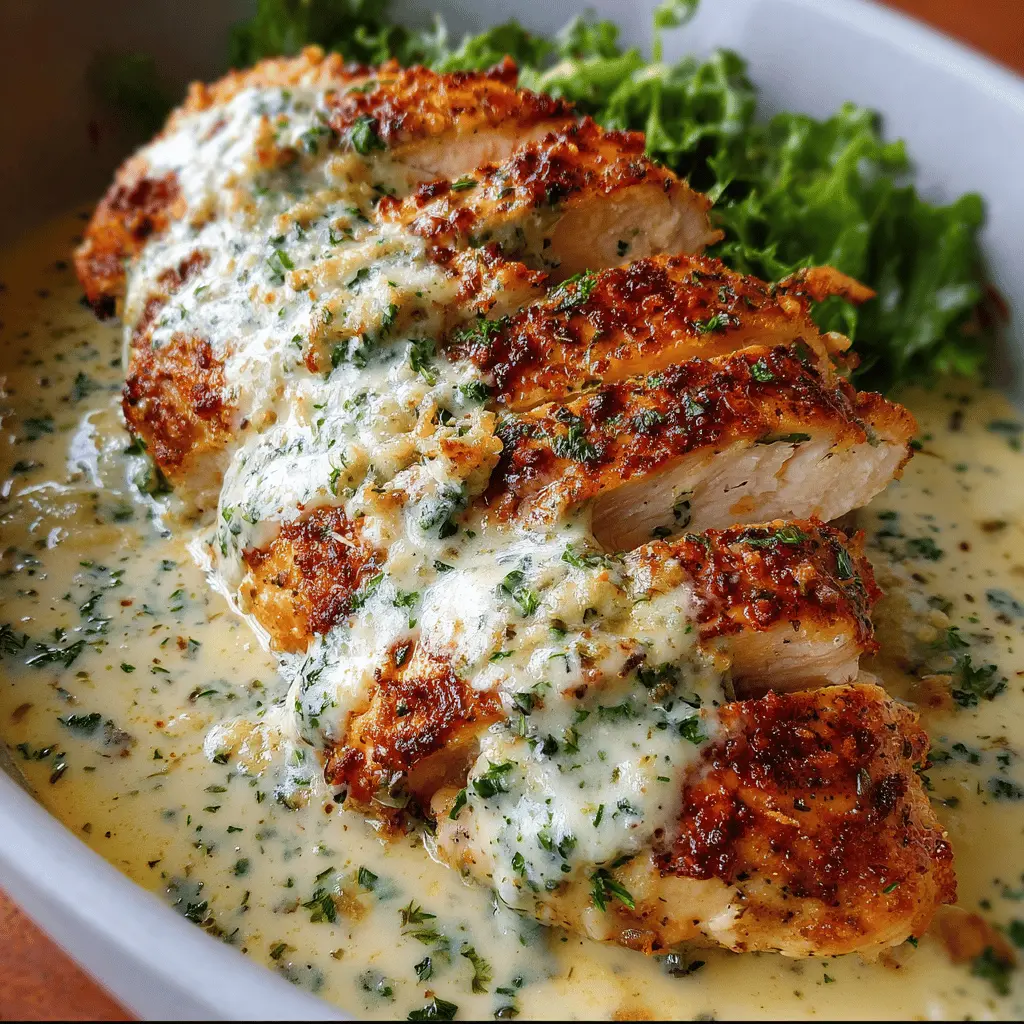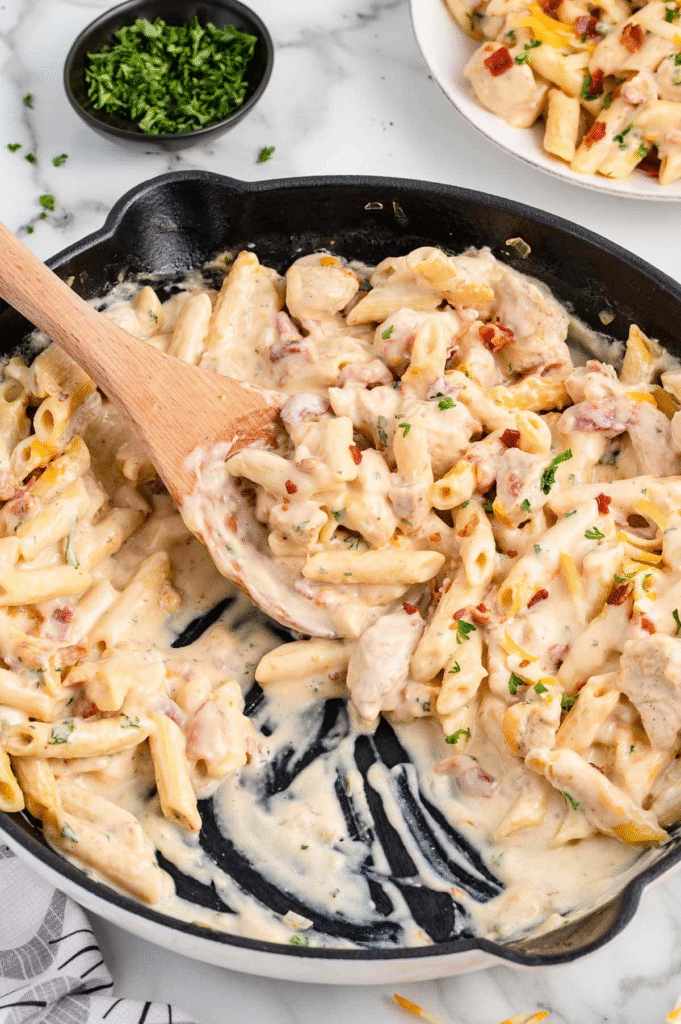
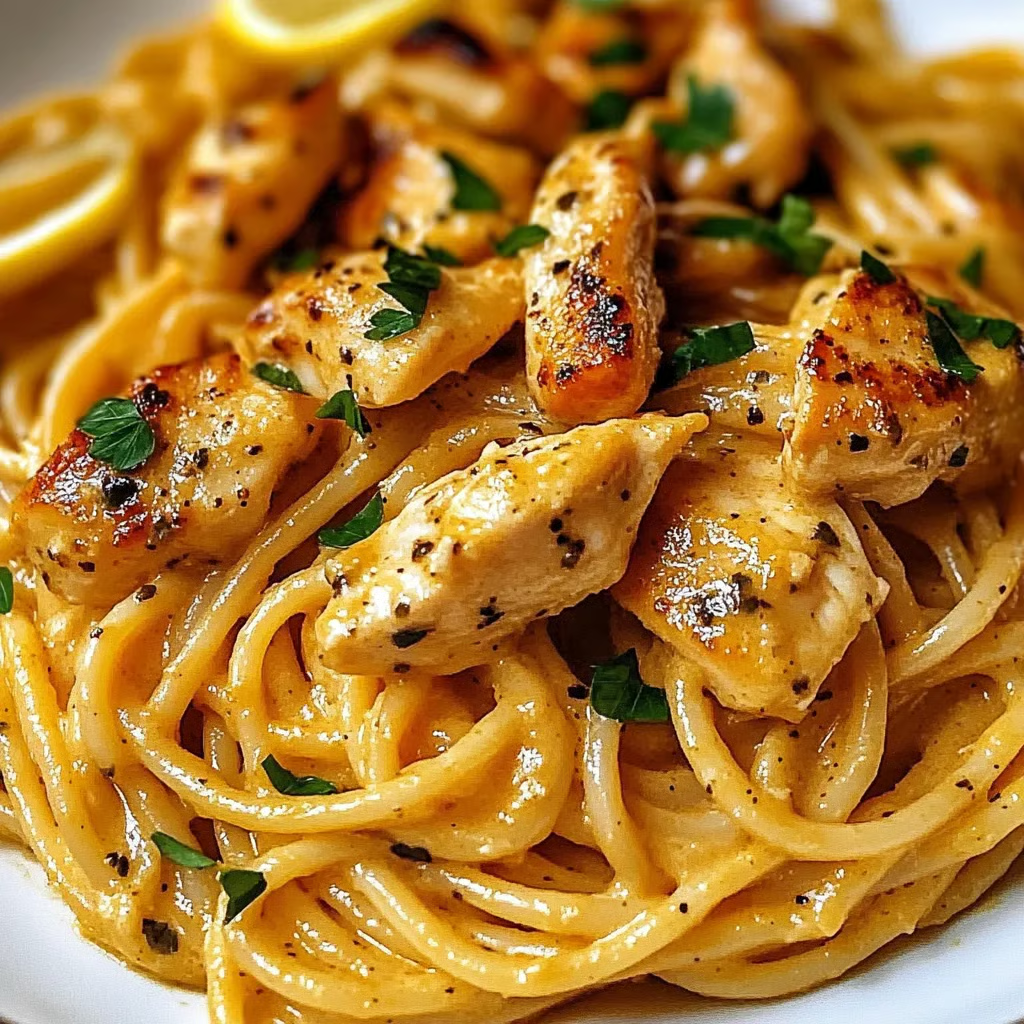
This bold fusion dish takes the viral concept of “cowboy butter”—a compound butter famous for its garlic, herb, and spicy kick—and transforms it into a luxurious pasta sauce. Tender, pan-seared chicken bites are tossed with al dente linguine in a rich, velvety emulsion of butter, heavy cream, Dijon mustard, and lemon zest. The result is a savory, restaurant-quality dinner that balances the richness of a cream sauce with a bright, zesty, and spicy finish.
Why You’ll Love This Recipe
- Flavor Explosion – It moves beyond standard Alfredo by introducing a complex profile of tangy lemon, sharp Dijon, and spicy cayenne against a rich butter backdrop.
- Quick & Gourmet – Despite its sophisticated flavor profile, the entire dish comes together in just 35 minutes, making it achievable for weeknight dinners.
- Versatile Heat Level – You have full control over the spice; keep it mild for a family meal or ramp up the cayenne and red pepper flakes for a fiery kick.
- Comfort Food with a Twist – It satisfies the craving for creamy pasta but offers a unique “American Steakhouse” flavor palette that feels new and exciting.
- Silky Sauce Texture – The combination of starchy pasta water and Dijon mustard creates a glossy sauce that clings perfectly to the linguine without being clumpy.
- Protein Packed – With generous portions of seasoned chicken breast, this is a hearty, standalone meal that keeps you full.
Ingredients You’ll Need
The Protein & Pasta
- Chicken Breasts (2, boneless/skinless) – Cut into bite-sized cubes; ensures quick, even cooking and perfect distribution throughout the pasta.
- Linguine Pasta (8 oz) – The flat surface of linguine holds the heavy sauce better than spaghetti, though fettuccine works well too.
- Olive Oil & Butter (1 tbsp each) – A mix of fats used to sear the chicken, providing a high smoke point and rich flavor.
- Chicken Seasoning Blend – Garlic powder (1 tsp), onion powder (1 tsp), smoked paprika (½ tsp), and cayenne (¼ tsp); creates a savory crust on the meat.
The Cowboy Butter Sauce
- Unsalted Butter (½ cup) – Softened; the primary fat source that gives the sauce its signature richness and glossy finish.
- Heavy Cream (¼ cup) – Adds stability and velvet texture to the butter sauce, preventing it from feeling too oily.
- Chicken Broth (¼ cup) – Lightens the sauce and adds a savory depth that water cannot provide.
- Dijon Mustard (1 tbsp) – A crucial ingredient that adds tang and acts as an emulsifier to keep the butter and liquids combined.
- Parmesan Cheese (¼ cup) – Freshly grated; adds saltiness and helps thicken the sauce as it melts.
- Lemon Juice (1 tbsp) – Freshly squeezed; the acidity cuts through the heavy fat content to brighten the entire dish.
- Fresh Parsley (2 tbsp) – Chopped; adds color and a grassy herbal note essential to the “cowboy butter” flavor profile.
Step-by-Step Instructions
- Boil the Linguine Bring a large pot of salted water to a rolling boil. Cook the linguine according to the package directions until al dente. Crucial: Before draining, scoop out and reserve ¼ cup of the starchy pasta cooking water. Drain the pasta and set aside.
- Sear the Chicken In a small bowl, toss the cubed chicken with garlic powder, onion powder, smoked paprika, cayenne, salt, and pepper. Heat the olive oil in a large skillet over medium-high heat. Add the chicken in a single layer and cook for 5–7 minutes until golden brown and cooked through. Remove chicken to a plate.
- Build the Sauce Base Reduce the skillet heat to medium-low. Add the ½ cup of butter, chicken broth, heavy cream, Dijon mustard, and red pepper flakes (if using). Whisk or stir constantly for 2–3 minutes until the butter is fully melted and the sauce begins to thicken slightly.
- Combine and Emulsify Return the cooked chicken and the drained linguine to the skillet. Toss vigorously to coat everything in the butter sauce. The agitation helps emulsify the fat and starch.
- Finish and Season Remove the skillet from the heat. Stir in the grated Parmesan cheese, fresh lemon juice, and chopped parsley. If the sauce looks too thick or greasy, splash in the reserved pasta water a tablespoon at a time until it becomes silky.
Recipe Notes & Tips
- The “Liquid Gold” – Do not skip reserving the pasta water. The starch in this water binds the butter and broth together, preventing the sauce from separating into an oily mess.
- Fresh vs. Dried Herbs – Use fresh parsley for this recipe. Dried parsley lacks the vibrant color and fresh flavor needed to cut through the richness of ½ cup of butter.
- Grate Your Cheese – Always grate Parmesan from a block. Pre-shredded cheese contains cellulose (anti-caking agents) that can make this specific butter-based sauce grainy.
- Mustard Matters – Do not substitute yellow mustard for Dijon. Dijon provides a specific wine-like acidity and creaminess that is essential for the flavor profile.
- Searing Temperature – Make sure your pan is hot before adding the chicken. You want to sear the spices onto the meat, not steam the chicken in its own juices.
Nutritional Information
- Prep Time: 15 minutes
- Cooking Time: 20 minutes
- Total Time: 35 minutes
- Servings: 4 servings
- Calories: Approximately 650–750 kcal per serving (estimate based on high butter/cream content)
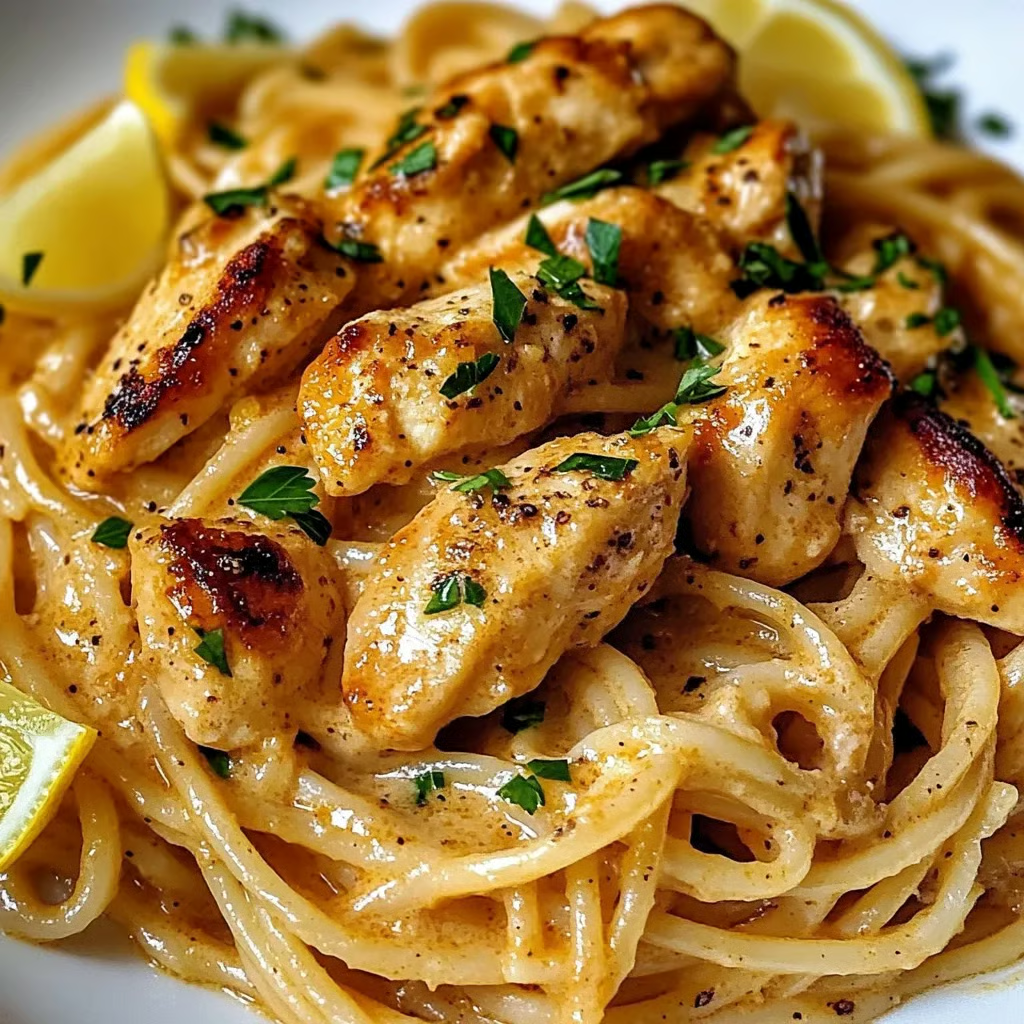
Perfect Pairings
- Steamed Green Beans – The crisp, clean taste of green beans balances the heavy, buttery sauce.
- Crusty Sourdough Bread – Perfect for mopping up the spicy, garlic-butter sauce left at the bottom of the bowl.
- Caesar Salad – A crisp romaine salad with acidic dressing refreshes the palate between rich bites.
- Oaked Chardonnay – This white wine complements buttery sauces, while its acidity handles the lemon and mustard notes.
Ideal Occasions
- Date Night In – The complex flavors and elegant presentation make it impressive, yet it’s quick to clean up.
- Steakhouse-Style Dinner – If you aren’t in the mood for red meat but want those bold steakhouse flavors (garlic, butter, herbs).
- Weeknight Comfort – Fast enough for a Tuesday, but comforting enough for a stressful day.
- Winter Gatherings – The heat from the cayenne and the richness of the butter make this a warming winter meal.
Storage & Serving Tips
- Refrigeration – Store leftovers in an airtight container for up to 3 days. Butter-based sauces harden in the fridge.
- Reheating – Reheat gently on the stove over low heat. You must add a splash of water or milk while reheating to re-emulsify the butter sauce, otherwise, it will be oily.
- No Freezing – This dish does not freeze well. The emulsion of butter and cream will break upon thawing, leading to a separated sauce.
- Fresh Garnish – Always add a fresh sprinkle of parsley and lemon zest right before serving leftovers to wake up the flavors.
Creative Variations to Try
- Steak Swap – Stay true to the “Cowboy” name by swapping the chicken for seared strips of sirloin or ribeye steak placed on top of the pasta.
- Seafood Twist – This sauce is incredible with shrimp or scallops. Sauté them quickly in step 2 instead of chicken.
- Veggie Boost – Stir in fresh baby spinach or sun-dried tomatoes during the final minute of cooking for added color and nutrition.
- Milder Version – Omit the cayenne and red pepper flakes entirely for a rich, lemon-garlic butter pasta that is kid-friendly.
Troubleshooting Common Issues
- Sauce is Greasy/Separated – Solution: The heat was too high or there wasn’t enough starch. Whisk in a splash of the starchy pasta water vigorously off the heat to bind it back together.
- Too Salty – Solution: Parmesan, broth, and salted butter can over-salt the dish. Use unsalted butter and low-sodium broth to control the seasoning.
- Chicken is Dry – Solution: Chicken breast cooks quickly, especially when cubed. Remove it from the pan exactly when it hits 165°F and don’t let it boil in the sauce for too long.
- Bland Flavor – Solution: This dish relies on acid to balance the fat. Add an extra squeeze of fresh lemon juice just before serving.
Why This Recipe Works
Cowboy Butter Chicken Linguine succeeds because it balances the four pillars of flavor: Salt, Fat, Acid, and Heat. The fat comes from the generous amount of butter and cream, creating a luxurious mouthfeel. However, fat alone is heavy. The acid from the lemon juice and Dijon mustard cuts through that heaviness, cleansing the palate. The heat from the cayenne and paprika stimulates the tongue, while the salt from the Parmesan and broth enhances all the flavors. The Dijon mustard plays a dual role: it provides flavor, but scientifically, it acts as an emulsifier (like in a salad dressing) helping to bond the water-based broth with the oil-based butter for a cohesive sauce.
Final Thoughts
This recipe is the perfect bridge between a rustic, hearty meal and a refined pasta dish. It takes the bold, unapologetic flavors of a compound butter usually reserved for steaks and applies them to a weeknight pasta format. While it is certainly an indulgence due to the butter content, the explosion of flavor makes it worth every calorie. It’s a “back-pocket” recipe that is sure to impress guests with minimal effort.