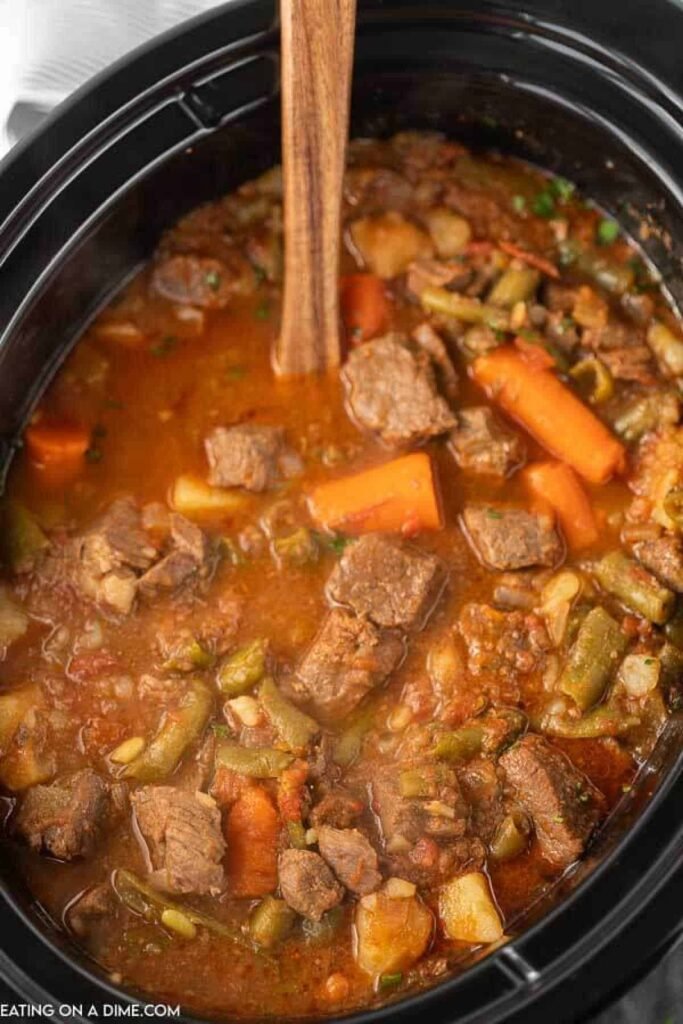
This crock pot beef stew delivers deep, comforting flavors through the magic of slow cooking, transforming simple ingredients into a rich, hearty meal that requires minimal hands-on effort. By layering tender stew meat with classic vegetables and seasoning them with Worcestershire sauce and tomatoes, you create a complete one-pot dinner that develops complex flavors over hours of gentle simmering while you attend to other tasks. The result is fork-tender beef surrounded by vegetables that have absorbed the savory broth, creating the kind of soul-warming comfort food that makes cold weather bearable and brings families together around the dinner table.
Why You’ll Love This Recipe
Set-and-Forget Convenience – The slow cooker does all the work while you’re at the office, running errands, or simply relaxing, requiring nothing more than ten minutes of morning prep before you walk away for eight hours.
Economical Ingredient Approach – Stew meat represents one of the most budget-friendly beef cuts available, and slow cooking transforms these tougher pieces into melt-in-your-mouth tenderness that rivals expensive cuts.
Complete Meal Simplicity – With protein, vegetables, and flavorful broth all cooking together, this stew provides balanced nutrition in a single bowl without requiring additional side dishes or elaborate accompaniments.
Flexible Timing Options – The recipe accommodates various schedules by offering both low and high cooking settings, letting you choose between all-day simmering or faster afternoon preparation.
Minimal Kitchen Skills Required – If you can chop vegetables and turn on a slow cooker, you can master this recipe, making it perfect for cooking beginners or anyone intimidated by more complex techniques.
Naturally Gluten-Free Base – The recipe contains no flour-based thickeners or problematic ingredients, making it suitable for gluten-sensitive diners without requiring any modifications or substitutions.
Ingredients You’ll Need
Main Ingredients
2.5 lbs stew meat – Provides the protein foundation and should be beef chuck cut into 1-2 inch cubes, which contains enough connective tissue and marbling to become tender during extended cooking without drying out.
1 (16 oz) package frozen green beans – Contributes vibrant color and slight crunch even after hours of cooking, using frozen rather than fresh because they hold their texture better during extended slow cooking.
3 whole carrots, peeled and sliced – Adds natural sweetness and earthy flavor that balances the savory beef while providing beta-carotene and substance that makes the stew more filling.
3 russet potatoes, peeled and diced – Creates hearty bulk and starchy thickness that helps the broth develop body, using russet rather than waxy potatoes because they break down slightly and release starch that enriches the liquid.
½ onion, chopped – Provides aromatic foundation and subtle sweetness that deepens as it cooks down completely, essentially melting into the broth and adding complexity without dominating the flavor.
2 bay leaves – Infuses the stew with subtle herbal, slightly floral notes that add depth you’ll notice is missing if you skip them, though they must be removed before serving since they don’t soften.
1 (14 oz) can crushed tomatoes – Delivers acidity that brightens the rich beef flavor while contributing body and umami that makes the broth more complex and satisfying.
¼ cup Worcestershire sauce – Adds savory, slightly tangy depth with its complex blend of vinegar, molasses, anchovies, and spices that enhances the beef flavor significantly.
2 cups water – Provides the liquid base that combines with the beef juices and vegetable moisture to create the flavorful broth that ties everything together.
½ tsp salt – Seasons the entire stew and should be added at the beginning, though you may want to taste and adjust at the end since the beef and Worcestershire sauce contribute sodium.
1 tsp pepper – Adds warmth and subtle heat that balances the sweetness from carrots and tomatoes without making the stew spicy or overwhelming.
Step-by-Step Instructions
Layer the Beef and Potatoes Place the stew meat in an even layer across the bottom of a 6-quart slow cooker, spreading the pieces out so they’re not piled on top of each other. Add the diced potatoes directly on top of the meat, positioning them where they’ll be submerged in liquid since they require more cooking time than the other vegetables.
Add the Remaining Vegetables Scatter the frozen green beans, chopped onions, and sliced carrots over the potatoes and meat, distributing them as evenly as possible throughout the slow cooker. The vegetables don’t need to be in a specific order, but spreading them out ensures even cooking and flavor distribution.
Pour the Liquids and Season Pour the entire can of crushed tomatoes over the vegetables, followed by the Worcestershire sauce and water, letting the liquids flow down through all the layers. Sprinkle the salt and pepper over everything, then tuck the bay leaves into the liquid where they can infuse their flavor throughout the stew during cooking.
Set the Slow Cooker and Walk Away Place the lid securely on the slow cooker and set it to low for 7-8 hours if you’re leaving for the day, or high for 3.5-4 hours if you need dinner sooner. Resist the temptation to lift the lid during cooking, as each peek releases heat and adds 15-20 minutes to the cooking time.
Rest and Remove Bay Leaves When the cooking time completes, turn off the slow cooker and let the stew sit undisturbed for 5-10 minutes, which allows the liquid to settle and the flavors to meld one final time. Use tongs or a spoon to fish out and discard the two bay leaves, which have done their job flavoring the stew but aren’t meant to be eaten.
Stir Gently and Serve Give the stew a gentle stir to redistribute the ingredients and incorporate any settled seasonings, being careful not to break up the tender beef and potatoes too aggressively. Ladle generous portions into deep bowls, making sure each serving gets a good mix of meat, vegetables, and flavorful broth.
Recipe Notes & Tips
Beef Cut Alternatives – While pre-cut stew meat offers convenience, buying a whole beef chuck roast and cutting it yourself into 1-inch cubes often costs less and lets you control the size and trim excess fat.
Vegetable Size Consistency – Cut all vegetables into similarly sized pieces so they cook at the same rate, preventing some pieces from turning to mush while others remain too firm and undercooked.
Browning is Optional – While not required, searing the beef in a hot skillet before adding it to the slow cooker creates deeper, more complex flavors through caramelization, though it adds an extra step.
Liquid Level Matters – The ingredients should be mostly covered with liquid but not swimming in it; the vegetables will release moisture during cooking, so starting with too much water dilutes the final flavor.
High vs Low Heat Timing – Low heat produces slightly more tender beef and better melded flavors, while high heat works in a pinch but may result in slightly less tender meat and more separate flavors.
Thickening Options – If you prefer thicker stew, mix 2 tablespoons of cornstarch with 2 tablespoons of cold water and stir it in during the last 30 minutes of cooking on high.
Nutritional Information
Prep Time: 10 minutes
Cook Time: 8 hours (low) or 4 hours (high)
Total Time: 8 hours 10 minutes
Servings: 6 generous bowls
Calories: Approximately 380-420 calories per serving (based on 6 servings with lean stew meat)
Perfect Pairings
Homemade Cornbread – Slightly sweet, crumbly cornbread provides the perfect vehicle for soaking up the savory broth while adding textural contrast to the tender stew components.
Crusty French Bread – A rustic baguette or artisan loaf offers another excellent option for mopping up every last drop of flavorful broth from your bowl.
Simple Green Salad – A crisp salad with vinaigrette adds freshness and acidity that cuts through the richness of the stew while contributing raw vegetables for nutritional balance.
Biscuits or Dinner Rolls – Warm, buttery bread products complement the hearty stew beautifully and turn the meal into an even more substantial, satisfying dinner.
Ideal Occasions
Busy Weekday Dinners – The morning prep means you return home to a fully cooked meal, making this perfect for work days when you want homemade dinner without evening cooking stress.
Cold Weather Comfort – Few dishes warm you from the inside out quite like beef stew, making it ideal for autumn and winter evenings when temperatures drop and comfort food cravings intensify.
Casual Family Gatherings – The recipe scales easily and feeds a crowd without requiring last-minute attention, letting you visit with guests instead of standing over the stove.
Sunday Meal Prep – Make a large batch on the weekend to portion into containers for easy lunches or dinners throughout the week, reheating beautifully without quality loss.
Storage & Serving Tips
Refrigerator Storage – Store leftover stew in an airtight container for up to 4 days, with flavors often improving overnight as the seasonings continue melding and developing.
Freezer-Friendly Method – Cool the stew completely before transferring to freezer-safe containers, leaving an inch of headspace for expansion, and freeze for up to 3 months with minimal quality loss.
Reheating Best Practices – Warm refrigerated stew on the stovetop over medium-low heat, stirring occasionally and adding a splash of water or broth if it has thickened too much during storage.
Individual Portion Freezing – Divide the cooled stew into single-serving containers for grab-and-go lunches or easy dinners that thaw and reheat quickly in the microwave.
Creative Variations to Try
Root Vegetable Version – Replace or supplement the potatoes with parsnips, turnips, or sweet potatoes for different flavors and nutritional profiles that add variety to the classic formula.
Herb Enhancement – Add fresh thyme sprigs, rosemary, or oregano along with the bay leaves for more pronounced herbal notes that elevate the stew’s complexity.
Red Wine Upgrade – Replace one cup of the water with red wine for deeper, more sophisticated flavors that develop beautifully during the long cooking process.
Mushroom Addition – Include 8 ounces of quartered mushrooms with the other vegetables for earthy umami depth that complements the beef beautifully.
Troubleshooting Common Issues
Tough, Chewy Meat – This indicates insufficient cooking time; beef stew meat needs the full 7-8 hours on low or 3.5-4 hours on high to break down the connective tissue properly.
Mushy Vegetables – Cutting vegetables too small or cooking too long causes them to disintegrate; use larger chunks and stick to the recommended cooking times for better texture.
Bland Flavor – Under-seasoning is common in slow cooker recipes; always taste before serving and adjust with additional salt, pepper, or Worcestershire sauce as needed.
Too Much Liquid – Starting with excessive water or not accounting for vegetable moisture creates soupy stew; reduce the liquid slightly or remove the lid for the last hour to allow evaporation.
Why This Recipe Works
The success of this crock pot beef stew relies on the fundamental principles of slow, moist-heat cooking that transforms tough meat cuts into tender, flavorful results through extended exposure to gentle heat. Stew meat contains significant connective tissue and collagen that would remain tough with quick cooking methods, but the prolonged low heat breaks down these proteins into gelatin that enriches the broth and makes the meat fall-apart tender. Layering the ingredients strategically places the beef and potatoes at the bottom where they’re fully submerged in liquid and receive the most direct heat, while hardier vegetables like carrots and green beans can tolerate being partially exposed without drying out. The crushed tomatoes contribute acidity that helps tenderize the meat while their natural glutamates enhance the savory, meaty flavors through umami amplification. Worcestershire sauce adds complex depth from its fermented ingredients that would be difficult to replicate with other seasonings, while the bay leaves infuse subtle herbal notes that round out the overall flavor profile. The slow evaporation and concentration of flavors over hours creates a rich, cohesive broth where individual ingredients blend harmoniously rather than tasting like separate components dumped together. At approximately 380-420 calories per generous serving, this stew provides substantial protein, fiber-rich vegetables, and satisfying bulk that creates genuine fullness without excessive calorie density, especially when you resist the temptation to add multiple slices of buttered bread.
Final Thoughts
Crock pot beef stew represents the kind of practical, no-fuss cooking that modern life demands while still honoring the tradition of slow-cooked comfort food that nourishes both body and soul. This recipe proves that you don’t need culinary school training or fancy techniques to create deeply satisfying meals—sometimes the best cooking happens when you simply combine quality ingredients and let time work its magic. The slow cooker’s gentle, even heat replicates the results our grandmothers achieved with all-day stovetop simmering, but without requiring anyone to stay home monitoring the pot or worrying about safety. While beef stew is inherently hearty and filling, the vegetable-heavy formula ensures you’re getting substantial nutrition alongside the protein, and you can easily adjust the meat-to-vegetable ratio to create lighter versions that still capture the essential comfort and satisfaction that makes stew so beloved across generations and cultures.