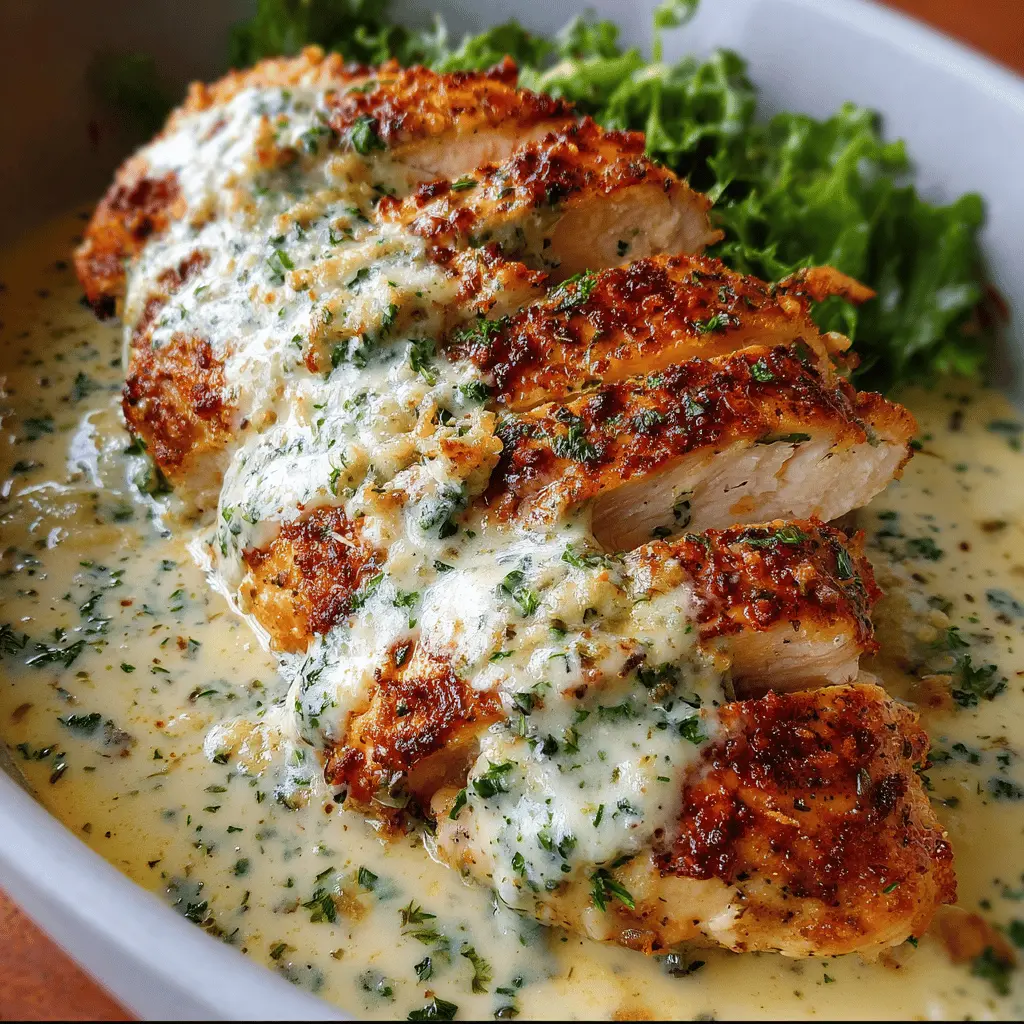
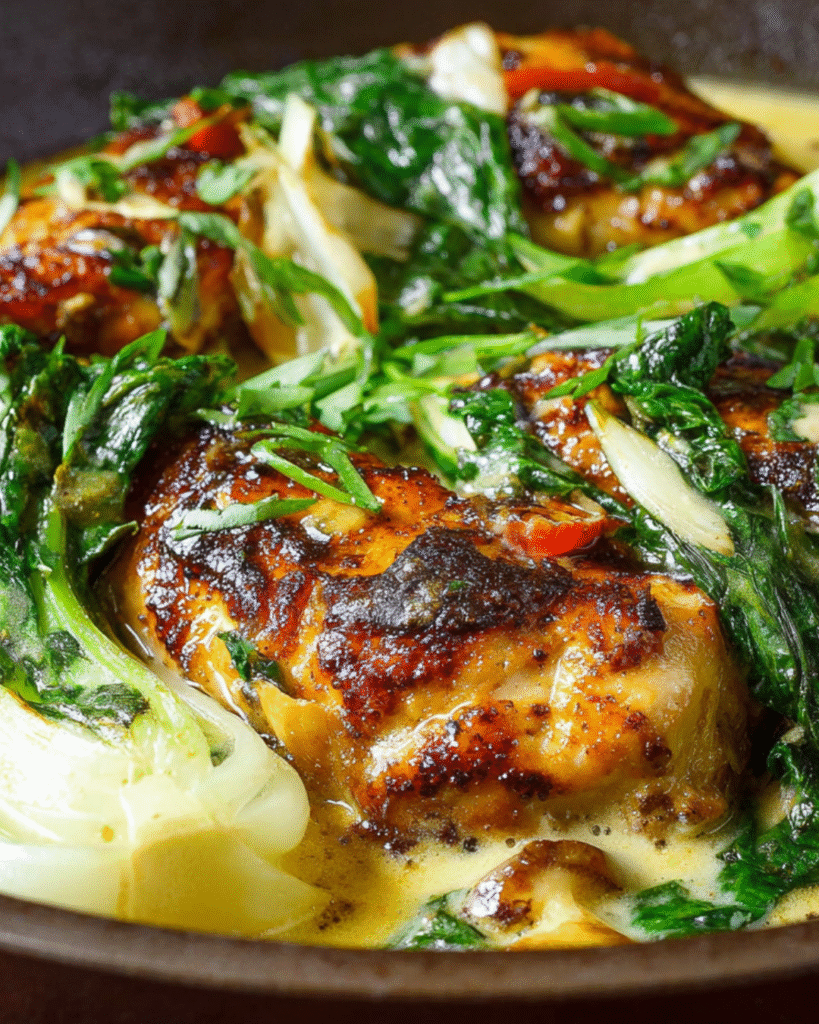
This smothered chicken with roasted baby bok choy delivers restaurant-quality comfort food by searing chicken breasts to golden perfection before simmering them in a creamy, herb-infused sauce enriched with Dijon mustard, while baby bok choy roasts separately with sesame oil and soy sauce until tender and slightly caramelized. The technique involves building layers of flavor through proper searing that creates fond for the sauce, then reducing cream and broth together into a luscious coating that envelops the tender chicken, while the bok choy develops its own savory-sweet character in the oven’s dry heat. With its combination of rich, creamy chicken and crisp-tender Asian-inspired vegetables, this dish bridges comfort food and lighter eating in a way that satisfies completely while providing balanced nutrition and sophisticated flavors.
Why You’ll Love This Recipe
Dual Cooking Method Efficiency – While the chicken simmers in its sauce on the stovetop, the bok choy roasts in the oven, allowing both components to finish simultaneously without requiring constant attention.
Restaurant-Quality Cream Sauce – The combination of chicken broth, heavy cream, and Dijon mustard creates a complex, tangy sauce that tastes like something from an upscale bistro but comes together in minutes.
Unexpected Vegetable Pairing – Roasted baby bok choy provides a lighter, Asian-inspired counterpoint to the rich European-style chicken, creating an interesting fusion that keeps the meal from feeling heavy.
Low-Carb Friendly – With minimal carbohydrates from the vegetables and none from the chicken and sauce, this meal fits perfectly into low-carb or keto eating patterns without sacrificing satisfaction.
Impressive Presentation – The golden chicken draped in cream sauce alongside beautifully roasted bok choy looks elegant enough for company while remaining practical for weeknight dinners.
Make-Ahead Friendly Components – The chicken can be seared and the sauce base prepared in advance, then simply reheated and finished while the bok choy roasts fresh before serving.
Ingredients You’ll Need
For the Smothered Chicken
4 boneless, skinless chicken breasts (about 1.5 pounds) – Provides lean protein and should be of similar size for even cooking, with pounding to uniform thickness recommended if pieces vary significantly.
1 teaspoon salt – Seasons the chicken directly before searing and should be applied generously to ensure the meat itself is flavored rather than relying solely on the sauce.
½ teaspoon black pepper – Adds warmth and subtle spice that enhances the chicken’s natural flavor while complementing the creamy sauce without overwhelming it.
1 tablespoon olive oil – Creates the cooking medium for searing the chicken and prevents sticking while contributing fruity, mild flavor that doesn’t compete with the sauce.
1 medium onion, diced – Provides aromatic sweetness and foundational flavor that enhances the sauce while adding body and subtle texture to the cream base.
3 cloves garlic, minced – Delivers pungent, savory depth that’s essential to building complex flavor and enhances both the chicken and the creamy sauce significantly.
1 cup chicken broth – Forms part of the liquid base for the sauce and adds savory depth while helping deglaze the pan to capture all the flavorful browned bits.
1 cup heavy cream – Creates the signature rich, velvety texture and luxurious mouthfeel that defines smothered chicken as comfort food worth savoring.
1 tablespoon Dijon mustard – Adds tangy complexity and subtle heat that prevents the cream sauce from tasting one-dimensional or cloying while contributing emulsification for smooth texture.
1 teaspoon dried thyme – Provides subtle herbal notes with slightly minty, earthy character that’s classic in cream sauces and complements chicken beautifully.
1 teaspoon paprika – Contributes mild sweetness, vibrant color, and subtle smokiness that adds depth to the sauce without introducing significant heat.
For the Roasted Baby Bok Choy
1 pound baby bok choy, halved lengthwise – Delivers tender-crisp vegetable contrast with mild, slightly sweet flavor and attractive presentation when halved to show the layered structure.
2 tablespoons soy sauce – Provides salty, umami-rich seasoning that enhances the bok choy’s natural flavor while adding Asian character that complements the sesame oil.
1 tablespoon sesame oil – Contributes distinctive nutty, aromatic flavor that’s essential to Asian cooking and adds richness without heaviness.
1 teaspoon sesame seeds (optional) – Adds subtle nutty flavor and visual interest with textural contrast when sprinkled over the finished bok choy.
Step-by-Step Instructions
Preheat Oven and Season Chicken Set your oven to 400°F and let it preheat while you prepare the chicken. Pat the chicken breasts completely dry with paper towels, then season both sides generously with the salt and black pepper, pressing the seasonings gently into the meat so they adhere during searing.
Sear the Chicken Breasts Heat the olive oil in a large oven-safe skillet over medium-high heat until it shimmers and a corner of chicken sizzles immediately when touched to the surface. Add the chicken breasts and sear without moving them for 5-6 minutes until the bottom develops a deep golden-brown crust, then flip and sear the second side for another 5-6 minutes. The chicken doesn’t need to be fully cooked at this stage since it will finish in the sauce.
Remove and Set Aside Transfer the seared chicken to a clean plate and tent loosely with aluminum foil to keep warm while you build the sauce. Don’t wipe out the skillet—those browned bits stuck to the bottom contain concentrated flavor that will enrich your sauce significantly.
Sauté the Aromatics Reduce the heat to medium and add the diced onion to the same skillet with the remaining oil and chicken drippings. Cook for 3-4 minutes, stirring occasionally, until the onion softens and becomes translucent. Add the minced garlic and cook for an additional minute, stirring constantly, until fragrant but not browned.
Build the Cream Sauce Pour in the chicken broth, using a wooden spoon to scrape up all the browned bits stuck to the bottom of the skillet. Add the heavy cream, Dijon mustard, dried thyme, and paprika, stirring to combine everything into a uniform sauce. Bring the mixture to a gentle simmer, which should take about 2-3 minutes.
Simmer the Chicken in Sauce Return the seared chicken breasts to the skillet along with any accumulated juices from the plate, nestling them into the sauce. Cover the skillet with a lid or aluminum foil, reduce the heat to low, and let everything simmer gently for 15-20 minutes until the chicken reaches an internal temperature of 165°F and the sauce has reduced and thickened to a coating consistency.
Prepare the Bok Choy While the chicken simmers, arrange the halved baby bok choy cut-side up on a rimmed baking sheet. Drizzle with the soy sauce and sesame oil, then use your hands to toss and coat each piece evenly, making sure the seasonings reach between the layers.
Roast Until Tender Place the baking sheet in the preheated oven and roast for 15-20 minutes, until the bok choy is tender when pierced with a fork and the edges have developed slight browning and crispiness. The leaves should be wilted and the stems should have caramelized slightly.
Plate and Serve Transfer each chicken breast to a serving plate or shallow bowl, spooning generous amounts of the creamy sauce over the top. Arrange 2-3 pieces of roasted bok choy alongside the chicken, drizzling any pan juices from the baking sheet over the vegetables. Sprinkle with sesame seeds if using, and serve immediately while everything is hot.
Recipe Notes & Tips
Even Chicken Thickness – If your chicken breasts vary significantly in size, pound the thicker portions to match the thinner ones using a meat mallet for even cooking throughout.
Don’t Skip the Searing – The browned crust on the chicken and the fond left in the pan are essential for building deep, complex flavor in the sauce.
Sauce Consistency Control – If the sauce seems too thin after simmering, remove the chicken and increase heat to reduce it further; if too thick, thin with additional chicken broth.
Bok Choy Size Variations – Baby bok choy cooks more evenly than full-sized bok choy; if using regular bok choy, quarter it lengthwise and increase roasting time slightly.
Mustard Alternatives – Whole grain mustard can replace Dijon for more texture and slightly milder flavor, or use yellow mustard for a more subtle tang.
Make It a Complete Meal – Serve over cauliflower rice, regular rice, or mashed potatoes to soak up the delicious cream sauce and make the meal more substantial.
Nutritional Information
Prep Time: 15 minutes
Cook Time: 35 minutes
Total Time: 50 minutes
Servings: 4 portions (1 chicken breast with sauce and bok choy per serving)
Calories: Approximately 450 calories per serving

Perfect Pairings
Cauliflower Rice – Light, low-carb cauliflower rice soaks up the creamy sauce beautifully while keeping the meal within low-carb parameters.
Mashed Potatoes – For those not following low-carb eating, creamy mashed potatoes provide the classic comfort food base for catching every drop of sauce.
Steamed Rice – Simple white or brown rice offers a neutral canvas that lets the flavorful sauce shine while adding substance to the meal.
Crusty Bread – Warm, crusty bread provides an excellent tool for sopping up the remaining sauce on your plate, ensuring nothing goes to waste.
Ideal Occasions
Weeknight Elegance – The 50-minute total time and impressive presentation make this perfect for evenings when you want something special without spending hours cooking.
Date Night at Home – The restaurant-quality flavors and elegant plating make this suitable for romantic dinners that show effort and thoughtfulness.
Low-Carb Celebrations – When following low-carb eating patterns but wanting something that feels indulgent and celebratory rather than restrictive.
Dinner Party Main Course – The recipe scales easily for larger groups and can be partially prepared ahead, making hosting less stressful while still impressive.
Storage & Serving Tips
Refrigerator Storage – Store leftover chicken and sauce together in an airtight container for up to 3 days, keeping the bok choy separate to maintain its texture.
Reheating Method – Warm the chicken and sauce gently in a covered skillet over medium-low heat with a splash of chicken broth, while the bok choy can be briefly reheated in a hot oven or skillet.
Freezing Considerations – The chicken and sauce freeze reasonably well for up to 2 months, though the cream may separate slightly when thawed; the bok choy doesn’t freeze well and should be made fresh.
Sauce Thickness After Storage – The sauce will thighten considerably when refrigerated; thin it with chicken broth or cream when reheating to restore the proper coating consistency.
Creative Variations to Try
Mushroom Addition – Sauté 8 ounces of sliced mushrooms along with the onions for earthy depth and additional texture in the cream sauce.
Bacon Enhancement – Cook 4 strips of bacon first, crumble them, and use the bacon fat for searing the chicken, then sprinkle the crumbled bacon over the finished dish.
Spinach Incorporation – Stir 2 cups of fresh spinach into the sauce during the final few minutes of simmering for added nutrition and color.
Lemon Brightness – Add the zest and juice of one lemon to the finished sauce for citrus notes that cut through the richness and brighten all the flavors.
Troubleshooting Common Issues
Dry Chicken – Overcooking is the culprit; use a meat thermometer to verify 165°F internal temperature and remove immediately rather than relying solely on time.
Broken or Separated Sauce – If the cream curdles or separates, the heat was too high; maintain gentle heat after adding cream and never let it reach a rolling boil.
Bland Sauce – Under-seasoning is common; taste and adjust with salt, pepper, or additional Dijon mustard until the flavors are vibrant and balanced.
Soggy Bok Choy – Overcrowding the baking sheet or insufficient oven temperature prevents proper roasting; ensure pieces have space and the oven is fully preheated.
Why This Recipe Works
The success of smothered chicken with roasted baby bok choy relies on understanding how different cooking methods bring out the best in each component while building complementary flavors. Searing the chicken first develops deep savory notes through the Maillard reaction while creating fond on the pan bottom that becomes the flavor foundation for the sauce when deglazed. Cooking the aromatics in the chicken-flavored oil allows them to pick up those flavors while developing their own sweetness through gentle caramelization. The combination of chicken broth and heavy cream creates a sauce with proper body and richness while the broth prevents it from being overly heavy or one-dimensional. Dijon mustard adds tangy complexity and acts as an emulsifier that helps stabilize the cream sauce, preventing it from breaking or separating during cooking. Simmering the chicken in the sauce rather than serving it separately allows the meat to absorb flavors while staying moist, and any juices the chicken releases enrich the sauce further. Roasting the bok choy in dry oven heat rather than steaming or sautéing allows the edges to caramelize slightly while the interior becomes tender, creating textural contrast that steaming alone wouldn’t achieve. The sesame oil and soy sauce provide Asian-inspired seasoning that creates an interesting flavor bridge between the European-style cream sauce and the vegetable component. At approximately 450 calories per serving, this meal provides substantial protein and satisfying richness while the low carbohydrate content makes it suitable for various eating patterns, and the vegetables contribute fiber and nutrients that balance the indulgent cream sauce.
Final Thoughts
Smothered chicken with roasted baby bok choy demonstrates how thoughtful ingredient pairing can create meals that feel indulgent while still providing nutritional balance and fitting into health-conscious eating patterns. This recipe proves that low-carb cooking doesn’t mean sacrificing rich flavors or satisfying textures, and that comfort food can coexist with lighter vegetable components when each element is prepared to highlight its best qualities. The combination of familiar cream sauce with less common bok choy creates an interesting fusion that keeps the meal from feeling boring or repetitive while remaining accessible enough that even hesitant vegetable-eaters often find themselves enjoying the roasted greens. While this dish is rich with its cream-based sauce, the controlled portions and substantial protein content create genuine satiety that prevents overeating, and pairing it with low-carb sides rather than bread or potatoes keeps the overall meal balanced and appropriate for various dietary goals.