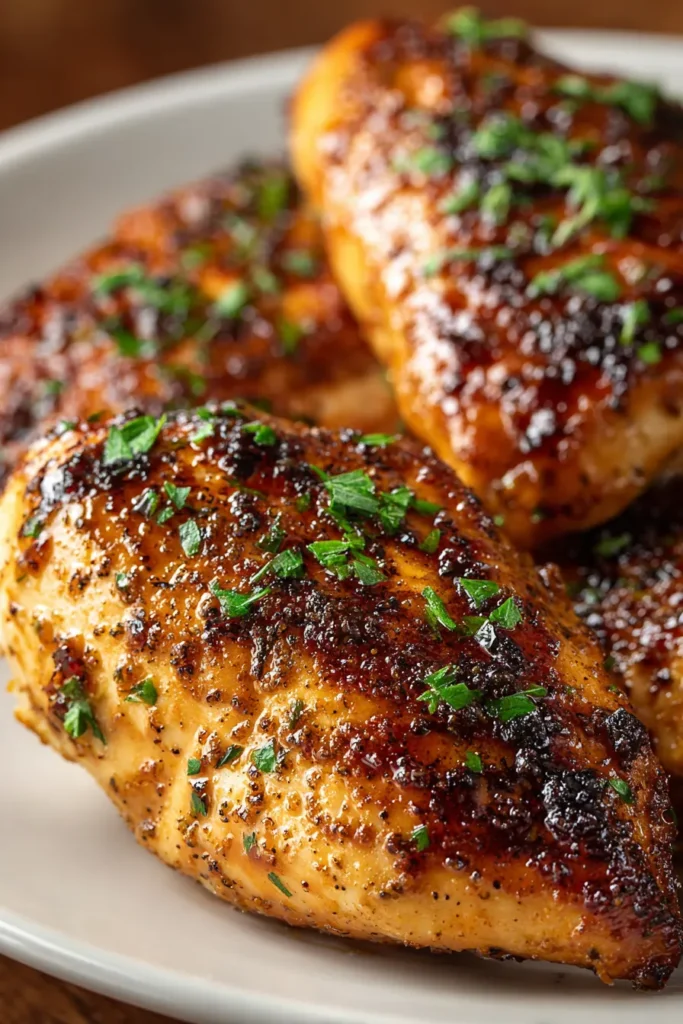
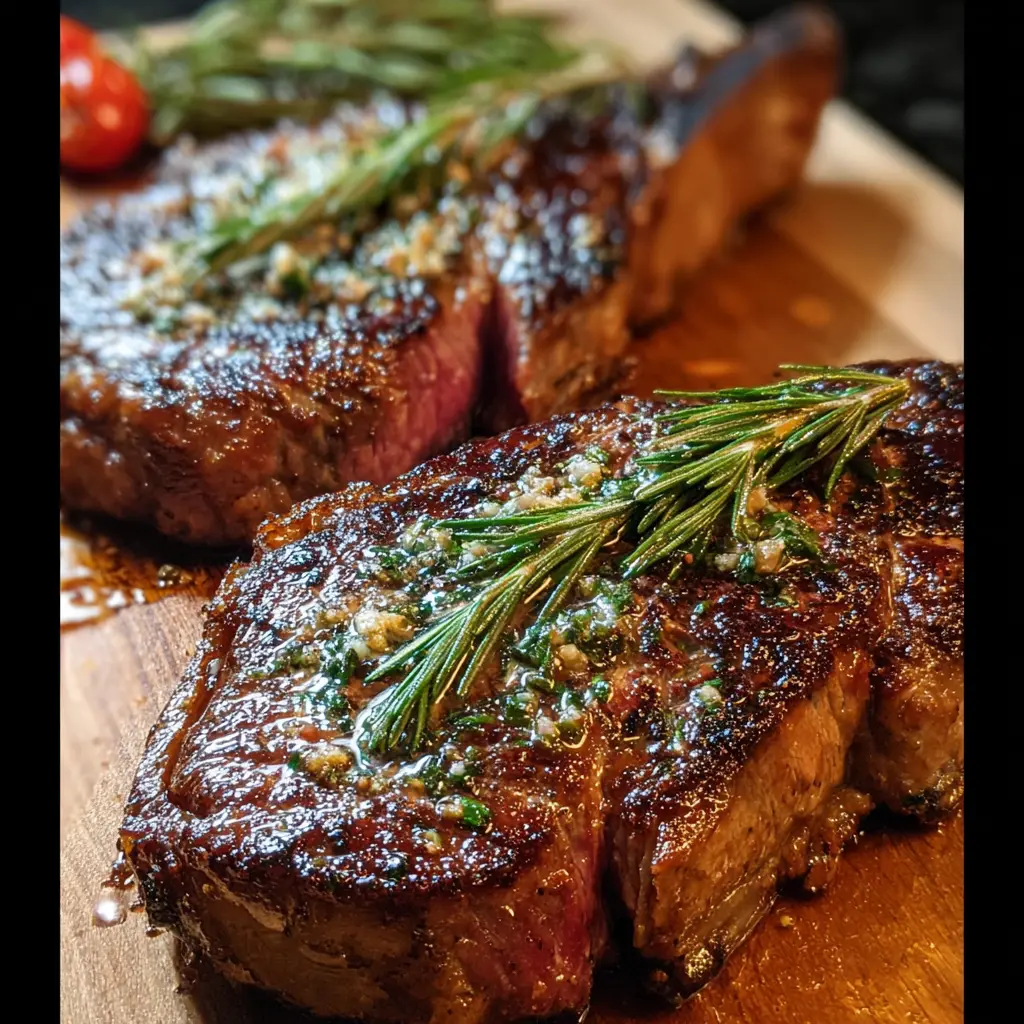
This recipe delivers the quintessential steakhouse experience right in your backyard, featuring beautifully marbled ribeye steaks seared to perfection over high heat. A robust dry rub of smoked paprika, garlic, and onion creates a savory, caramelized crust that locks in the natural juices, ensuring every bite is tender and rich. It is a straightforward, high-reward method that celebrates the natural flavor of premium beef.
Why You’ll Love This Recipe
- Maximum Flavor Impact – Ribeye is known as the king of steaks because of its intramuscular fat (marbling), which renders down to baste the meat from the inside out.
- Pantry-Friendly Rub – The seasoning blend uses common spices you likely already have, creating a complex flavor profile without a trip to the store.
- Quick Cooking Time – Because ribeye is a tender cut, it requires only a few minutes of intense heat per side, making it a fast dinner option.
- Perfect Crust Formation – The combination of olive oil and dry spices promotes a rapid Maillard reaction, resulting in that coveted dark, savory exterior.
- Foolproof Tenderness – Unlike tougher cuts that require slow cooking or marinades, ribeye is naturally tender, making it difficult to mess up as long as you don’t overcook it.
- Versatile Preparation – While written for a grill, this method translates perfectly to a cast-iron skillet for indoor cooking during colder months.
Ingredients You’ll Need
The Meat
- Ribeye Steaks (2, approx. 1-inch thick) – Look for steaks with good marbling (white flecks of fat) throughout the red meat and a generous cap (spinalis); this fat equals flavor and juiciness.
The Seasoning Blend
- Olive Oil (2 tbsp) – Acts as a binder for the spices and conducts heat to the surface of the meat for an even sear.
- Kosher Salt (1 tsp) – Essential for drawing out moisture from the surface (if applied early) and seasoning the meat deep down.
- Black Pepper (1 tsp) – Adds a sharp, pungent heat that cuts through the richness of the fat.
- Garlic Powder (1 tsp) – Provides a savory, umami punch that complements the beef without the risk of burning that fresh garlic has.
- Onion Powder (1 tsp) – Adds a subtle sweetness and depth to the crust.
- Smoked Paprika (1 tsp) – Mimics the flavor of charcoal and wood smoke, enhancing the grilling experience.
Step-by-Step Instructions
Step 1: Temper the Steaks Remove the steaks from the refrigerator 30 to 45 minutes before cooking. Letting them come closer to room temperature ensures they cook more evenly throughout, rather than having a cold, raw center and overcooked gray exterior.
Step 2: Preheat the Grill Preheat your grill to high heat (aiming for 450°F to 500°F). Whether using gas or charcoal, you want intense direct heat to sear the meat immediately upon contact. Clean the grates thoroughly.
Step 3: Season the Meat Pat the steaks completely dry with paper towels to remove surface moisture (moisture creates steam, which prevents browning). Rub the steaks all over with the olive oil. In a small bowl, mix the salt, pepper, garlic powder, onion powder, and smoked paprika. Press this mixture generously onto all sides of the steaks.
Step 4: The Sear Place the steaks directly onto the hottest part of the grill. Close the lid and cook undisturbed for 4 to 5 minutes. Do not move the steak around; this contact time is necessary to develop grill marks and a crust.
Step 5: Flip and Finish Flip the steaks. They should be dark golden brown and release easily from the grate. Cook for another 4 to 5 minutes on the second side for medium-rare doneness. Use a meat thermometer to pull them at 130°F (54°C) for medium-rare or 135°F (57°C) for medium.
Step 6: Rest the Meat Remove the steaks from the grill and transfer them to a cutting board or warm plate. Tent loosely with foil and let them rest for at least 5 minutes. This allows the juices, which migrate to the center during cooking, to redistribute throughout the steak.
Recipe Notes & Tips
- Trust the Thermometer – Time is an estimate; temperature is a fact. Steaks vary in thickness, and grills vary in heat. Aim for 125°F–130°F internal temp before resting for a perfect medium-rare.
- Dry Meat Sears Better – If you have time, salt the steaks and leave them uncovered in the fridge for a few hours before cooking. This “dry brining” dries out the surface for a superior crust.
- Avoid Sugar in Rubs – This rub relies on savory spices. Avoid adding brown sugar if grilling over very high heat, as it tends to scorch and turn bitter before the steak is cooked.
- Manage Flare-Ups – Ribeyes are fatty, and dripping fat causes flare-ups. If the fire gets too aggressive, briefly move the steak to a cooler part of the grill to prevent soot deposits.
- Don’t Cut Too Soon – Slicing a steak immediately after grilling causes the pressurized juices to bleed out onto the board, leaving the meat dry. The 5-minute rest is non-negotiable.
Nutritional Information
- Prep Time: 10 minutes
- Cook Time: 10 minutes
- Total Time: 20 minutes (+ resting time)
- Servings: 2 Steaks
- Calories: Approximately 400 kcal per steak (varies by trimming and fat content)
Perfect Pairings
- Baked Potato – A classic steakhouse side, fully loaded with sour cream and chives, balances the protein-heavy main.
- Grilled Asparagus – Toss spears in oil and lemon and grill them alongside the steak for a fresh, smoky vegetable component.
- Bold Red Wine – A Cabernet Sauvignon or Malbec has the tannins necessary to stand up to the richness of the ribeye fat.
- Wedge Salad – Iceberg lettuce with blue cheese dressing and bacon provides a crisp, cool contrast to the hot, savory beef.
Ideal Occasions
- Date Night In – Far cheaper than a steakhouse but just as impressive and romantic.
- Father’s Day – The ultimate celebratory meal for dad that feels indulgent and masculine.
- Summer Barbecues – A step up from burgers and hot dogs when you want to treat your guests.
- Post-Workout Feast – A high-protein, nutrient-dense meal perfect for muscle recovery (carnivore diet friendly).
Storage & Serving Tips
- Refrigeration – Store leftover steak in an airtight container for up to 3 days.
- Cold Serving – Leftover ribeye is excellent served cold, thinly sliced over a salad or on a sandwich with horseradish mayo.
- Reheating – To reheat without overcooking, place the steak in a 250°F oven until warmed through, then quickly sear in a hot pan for 30 seconds to crisp the crust.
- Freezing – Cooked steak can be frozen, but it loses some texture. It is best to freeze raw steaks and cook them fresh.
Creative Variations to Try
- Coffee Rub – Add a teaspoon of finely ground espresso to the spice mix for deep, earthy notes that amplify the beef flavor.
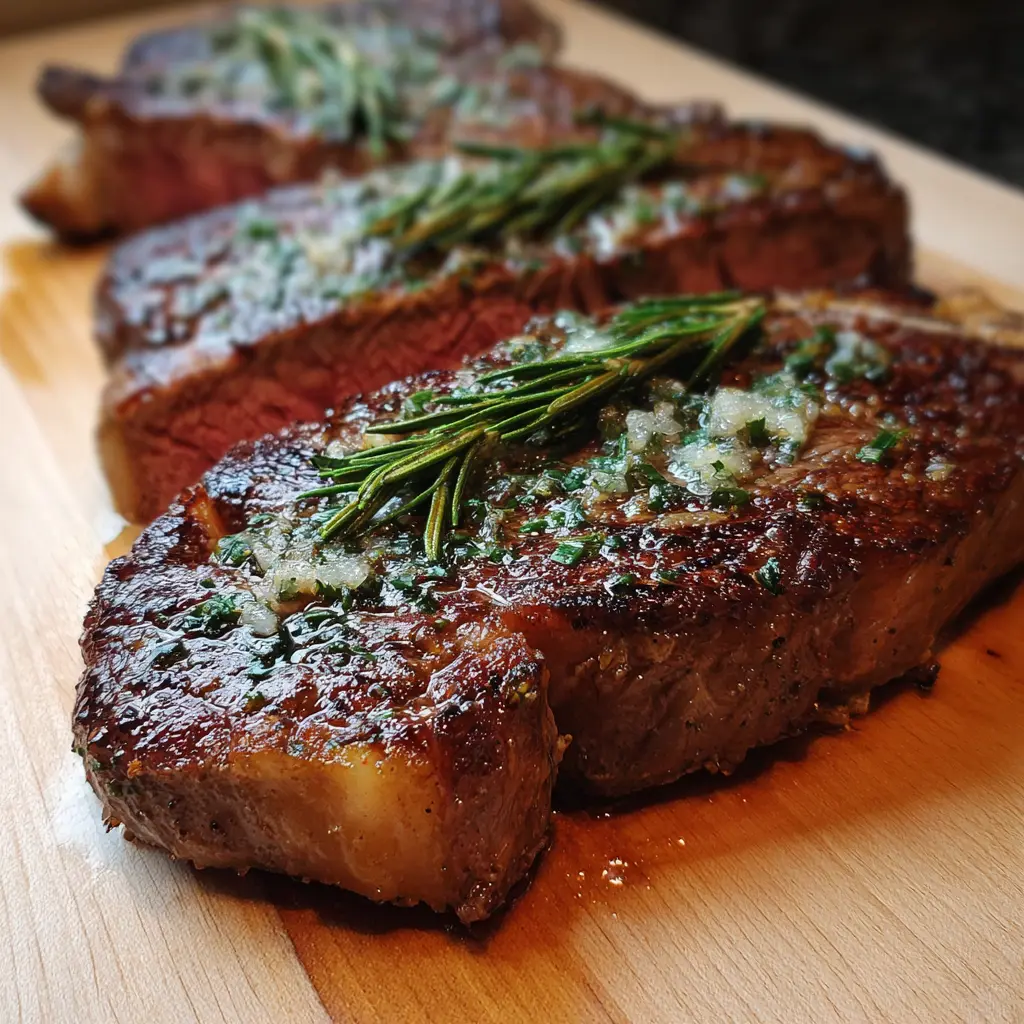
- Herb Butter Finish – Top the hot steak with a slice of compound butter (butter mixed with rosemary, thyme, and garlic) while it rests.
- Spicy Cajun – Add cayenne pepper and dried thyme to the rub for a New Orleans-style blackened steak.
- Asian Marinade – Skip the dry rub and marinate in soy sauce, ginger, and sesame oil for 4 hours, then grill (note: pat dry before grilling to ensure searing).
Troubleshooting Common Issues
- Steak is Tough – This usually means it was overcooked beyond medium. Ribeye needs to be juicy; once it hits “well done,” the fat has rendered out completely, leaving dry muscle fibers.
- Burnt Spices – If your rub tastes acrid, the grill was too hot or the steak was left over a flare-up too long. Move the steak to indirect heat if the outside is darkening too fast.
- Gray, Soggy Exterior – The steak was likely wet when it went on the grill, or the grill wasn’t hot enough. Always pat the meat dry and preheat thoroughly.
- Uneven Cooking – If the outside is charred but the inside is raw, your steak might be very thick. Use the “reverse sear” method or move it to indirect heat to finish cooking gently.
Why This Recipe Works
This recipe succeeds because it leverages the unique anatomy of the ribeye cut. Ribeyes contain significant intramuscular fat, which renders (melts) at high temperatures. As this fat renders, it bastes the meat fibers with lipids, creating the sensation of juiciness and carrying flavor compounds across the palate.
The technique focuses on the Maillard reaction, a chemical reaction between amino acids and reducing sugars that gives browned food its distinctive flavor. By using a dry rub and a high-smoke-point oil (olive oil acts as a conductive medium), you accelerate this browning process. The spices—specifically smoked paprika and garlic powder—are chosen because they darken and caramelize quickly, forming a “bark” that contrasts with the buttery, soft interior of the meat.
Final Thoughts
Cooking a perfect ribeye doesn’t require culinary school training; it requires high heat, good timing, and the confidence to let the meat rest. This recipe provides a foundational technique that yields restaurant-quality results at home. At 400 calories and 31g of protein, it is a nutritional powerhouse that satisfies primal cravings for red meat while offering a sophisticated dining experience.