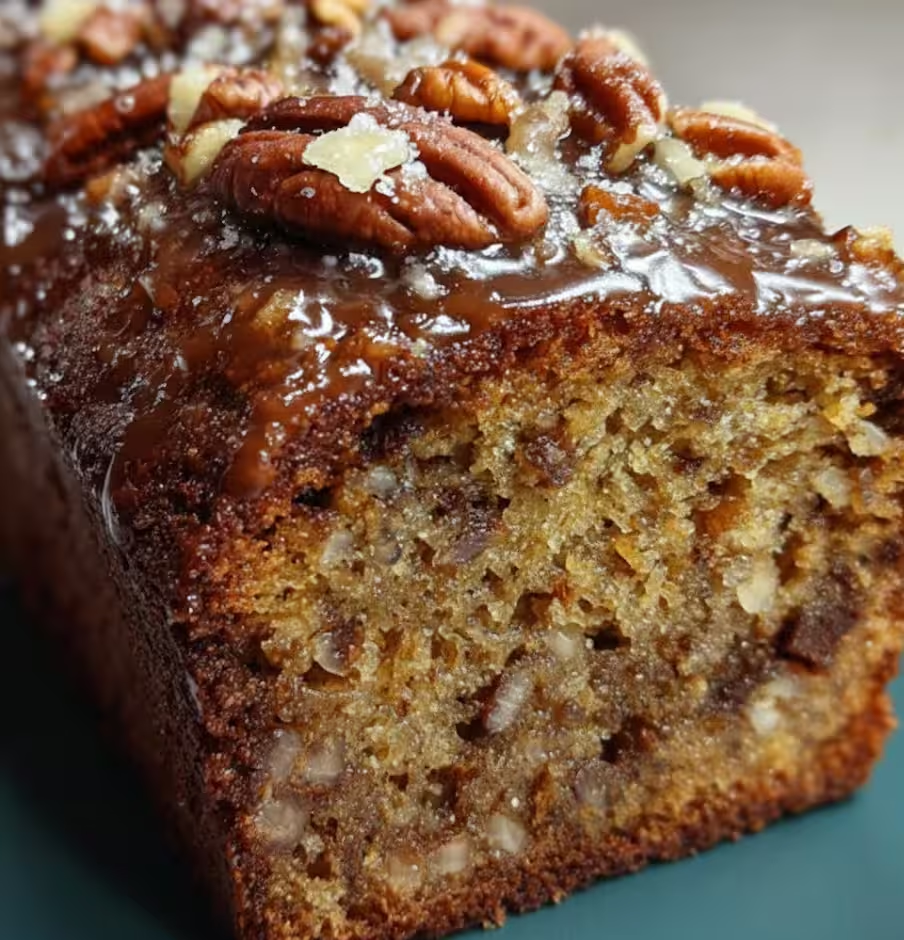
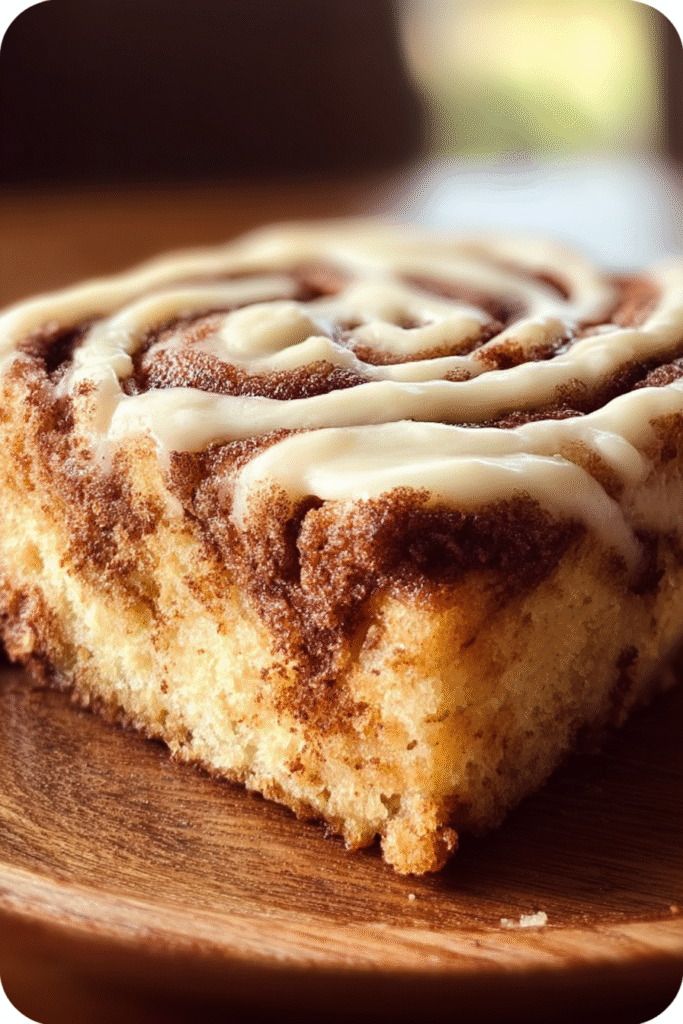
This ingenious cake captures all the beloved flavors of homemade cinnamon rolls—buttery cake, ribbons of cinnamon-sugar swirl, and sweet vanilla glaze—without the labor-intensive process of yeast dough, rising, rolling, and shaping. The recipe transforms traditional cinnamon roll components into a simple pour-and-swirl cake that bakes in a 9×13-inch pan, creating a tender, moist crumb streaked with gooey cinnamon filling and topped with a glossy glaze. With its nostalgic name evoking memories of grandmothers’ kitchens and the comforting aroma of cinnamon and vanilla, this cake delivers maximum warmth and satisfaction with minimal technique, making it accessible to bakers of all skill levels while producing results that taste like hours of devoted work.
Why You’ll Love This Recipe
- Instant Gratification Without Yeast – This cake delivers authentic cinnamon roll flavor in under an hour from start to finish, eliminating the 2-3 hours typically required for yeast dough rising and proofing.
- No Rolling or Shaping Required – The swirl effect is achieved by simply drizzling cinnamon mixture over batter and creating patterns with a knife, bypassing the challenging technique of rolling dough evenly and cutting uniform spirals.
- Breakfast or Dessert Versatility – This cake works equally well as a special breakfast treat, brunch centerpiece, afternoon snack, or dessert, providing flexibility that traditional cinnamon rolls don’t offer.
- Perfect Texture Balance – The cake achieves ideal moisture and tenderness through proper fat-to-flour ratios, while the cinnamon swirl creates pockets of gooey sweetness that contrast beautifully with the soft crumb.
- Crowd-Pleasing Portions – The 9×13-inch pan yields 12-15 generous servings, making this ideal for feeding groups without the individual portioning concerns of traditional cinnamon rolls.
- Beginner-Friendly Success – With straightforward mixing, no special equipment, and forgiving technique, this recipe practically guarantees success even for novice bakers experiencing anxiety about yeast or laminated doughs.
Ingredients You’ll Need
For the Cake Base
- 2 cups all-purpose flour – Provides the structural foundation for tender cake crumb; all-purpose flour’s moderate protein content (10-12%) creates ideal texture that’s sturdy yet soft.
- 1 cup sugar – Sweetens the cake while contributing to moisture retention and tender texture through its hygroscopic properties; granulated white sugar is standard.
- 1 cup milk – Adds liquid for batter consistency and contributes to tender crumb through dairy proteins and fats; whole milk provides richest flavor, though 2% works adequately.
- 2 eggs – Bind ingredients together while adding structure through protein and richness through fat; eggs also contribute to the cake’s golden color and rise.
- 2 tsp baking powder – Provides chemical leavening that creates rise and light, fluffy texture without yeast fermentation; ensure baking powder is fresh for optimal lift.
- 1 tsp vanilla extract – Enhances and rounds out all flavors while adding aromatic warmth; pure vanilla extract delivers superior flavor compared to imitation varieties.
- ½ cup butter, melted – Contributes essential fat that creates tender crumb, rich flavor, and moist texture; melted butter integrates easily into batter without creaming required.
For the Cinnamon Swirl
- ½ cup brown sugar – Provides the sweet, molasses-rich filling with slight caramel notes that distinguish cinnamon rolls from other pastries; light or dark brown sugar both work, with dark offering deeper flavor.
- 2 tsp cinnamon – Delivers the signature warm, spicy, aromatic flavor essential to cinnamon roll identity; use Ceylon or Cassia cinnamon based on preference for delicate or intense flavor.
- ¼ cup butter, melted – Creates the liquid base that allows the cinnamon-sugar mixture to swirl through batter and forms gooey pockets during baking.
For the Glaze
- 1 cup powdered sugar – Forms the sweet, smooth glaze base; confectioners’ sugar dissolves easily in liquid without graininess that granulated sugar would create.
- 2 tbsp milk – Thins the powdered sugar to pourable, drizzleable consistency; adjust amount slightly for thicker or thinner glaze based on preference.
- ½ tsp vanilla extract – Adds aromatic flavor dimension that prevents the glaze from tasting one-dimensionally sweet.
Step-by-Step Instructions
Prepare the Oven and Pan
Preheat your oven to 350°F (175°C), positioning the rack in the center for even heat circulation. Generously grease a 9×13-inch baking pan with butter or non-stick cooking spray, ensuring complete coverage including corners to prevent sticking and facilitate clean removal.
Mix the Cake Batter
In a large mixing bowl, combine the all-purpose flour, sugar, milk, eggs, baking powder, vanilla extract, and melted butter. Using a whisk or electric mixer on medium speed, beat the ingredients together for 1-2 minutes until the batter is smooth and well combined with no visible flour streaks or lumps. The batter should be pourable but thick enough to hold slight peaks when the whisk is lifted.
Pour the Base Layer
Pour the prepared cake batter into the greased 9×13-inch baking pan, using a spatula to spread it evenly to the corners and smooth the top surface. The batter should come approximately halfway up the sides of the pan, allowing room for rise during baking.
Create the Cinnamon Swirl Mixture
In a small bowl, stir together the brown sugar, cinnamon, and melted butter until well combined, creating a thick, pourable paste. The mixture should be loose enough to drizzle but thick enough to maintain some definition rather than immediately dissolving into the batter.
Swirl the Cinnamon Mixture
Drizzle the cinnamon mixture over the cake batter in the pan, distributing it relatively evenly across the surface in parallel lines or a crosshatch pattern. Using a butter knife, dinner knife, or wooden skewer, drag through the batter in swirling motions—making figure-eights, zigzags, or circular patterns—to create marbled ribbons of cinnamon throughout the cake without completely mixing it in.
Bake Until Golden
Place the pan in the preheated oven and bake for 30-35 minutes, checking at the 30-minute mark. The cake is done when the top is golden brown, the edges pull slightly away from the pan, and a toothpick inserted into the center comes out clean or with just a few moist crumbs (not wet batter). The cinnamon swirl areas may appear slightly darker and more caramelized.
Prepare and Apply the Glaze
While the cake bakes or immediately after removal from the oven, whisk together the powdered sugar, milk, and vanilla extract in a small bowl until completely smooth and no lumps remain. Adjust consistency by adding more milk (if too thick) or powdered sugar (if too thin) one teaspoon at a time. Drizzle the glaze generously over the warm cake, allowing it to pool and spread across the surface, where it will partially absorb into the cake and partially set on top as it cools.
Cool and Serve
Allow the glazed cake to cool in the pan for at least 10-15 minutes before cutting and serving. The cake can be served warm (when it’s most gooey and aromatic), at room temperature (when flavors are most balanced), or even chilled (when it becomes denser and more compact for cleaner slicing).
Recipe Notes & Tips
- Swirling Technique Matters – Avoid over-swirling, which fully incorporates the cinnamon mixture into the batter; the goal is distinct ribbons and pockets of cinnamon-sugar filling rather than uniform cinnamon-flavored cake throughout.
- Butter Temperature – Ensure melted butter has cooled slightly before adding to the batter; extremely hot butter can cook the eggs prematurely, creating scrambled egg bits rather than smooth batter.
- Glaze Timing Options – Applying glaze to warm cake creates a partially absorbed, more integrated sweetness, while glazing completely cooled cake results in a distinct, glossy topping layer—choose based on your preference.
- Pan Material Consideration – Light-colored metal or glass pans work best; dark non-stick pans can cause over-browning on the bottom and edges before the center cooks through, requiring temperature reduction to 325°F.
- Cinnamon Quality Impact – Fresh, high-quality cinnamon dramatically improves flavor; if your cinnamon has been in the pantry for years and has lost its potent aroma, replace it for best results.
- Batter Consistency Check – The batter should be thick but pourable, similar to pancake batter; if it seems too thick, add milk one tablespoon at a time; if too thin, add flour one tablespoon at a time.
Nutritional Information
- Prep Time: 10 minutes
- Cooking Time: 35 minutes (30-35 minutes baking)
- Total Time: 45 minutes (plus cooling time)
- Servings: 12-15 servings (depending on portion size)
- Calories: Approximately 280-320 per serving based on 12 servings (estimated with standard ingredients including glaze)
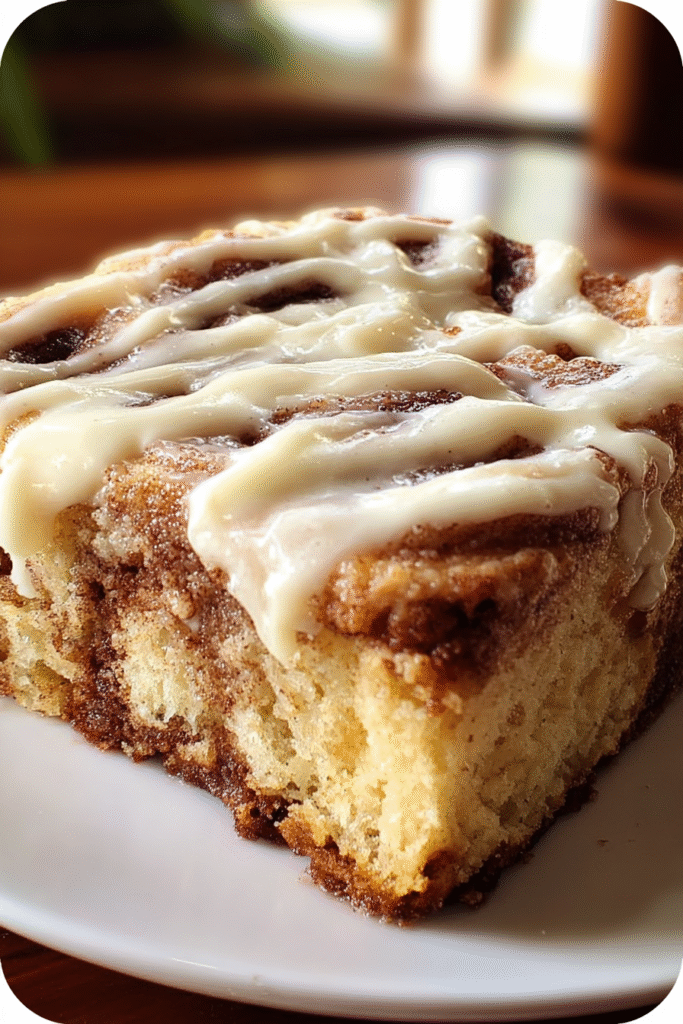
Perfect Pairings
- Hot Coffee or Tea – Serve with strong black coffee, cappuccino, or spiced chai tea whose slight bitterness and warmth complement the sweet, cinnamon-spiced cake perfectly.
- Fresh Fruit – Accompany with fresh berries, sliced strawberries, or fruit salad to add refreshing acidity and lightness that balances the rich, sweet cake.
- Whipped Cream – Top individual slices with dollops of freshly whipped cream or whipped topping for added indulgence and lighter textural contrast to the dense cake.
- Crispy Bacon – Serve at brunch alongside crispy bacon or breakfast sausage for the classic sweet-and-salty combination that makes breakfast spreads memorable.
Ideal Occasions
- Weekend Breakfast Treat – Prepare on Saturday or Sunday mornings when you have time to enjoy a leisurely breakfast with family and want something special beyond everyday options.
- Holiday Brunch Centerpiece – Serve at Christmas, Easter, Mother’s Day, or Thanksgiving brunch gatherings when you need a crowd-pleasing sweet option that’s easier than individual pastries.
- Potluck or Bake Sale Contribution – Bring to church suppers, school events, or community gatherings where the familiar cinnamon roll flavor appeals broadly and the cake format travels easily.
- Comfort Food Craving – Bake when you need the nostalgic warmth of cinnamon rolls but lack the time, energy, or patience for yeast dough preparation and multiple rising periods.
Storage & Serving Tips
- Room Temperature Storage – Store covered cake at room temperature for up to 2 days; the glaze and butter content preserve moisture without requiring refrigeration for short-term storage.
- Refrigerator Storage – For longer storage, cover tightly with plastic wrap or transfer to an airtight container and refrigerate for up to 5 days; bring to room temperature or warm slightly before serving for best texture.
- Freezer Storage – This cake freezes exceptionally well; wrap tightly in plastic wrap followed by aluminum foil and freeze for up to 3 months, then thaw overnight in the refrigerator.
- Reheating Method – Warm individual slices in the microwave for 15-20 seconds to restore the fresh-baked gooeyness and soften any glaze that has hardened during storage.
Creative Variations to Try
- Cream Cheese Glaze – Replace the simple powdered sugar glaze with cream cheese frosting made by beating 4 oz softened cream cheese with 2 tablespoons butter, 1 cup powdered sugar, and 1 teaspoon vanilla for tangier, richer topping.
- Apple Cinnamon Version – Fold 1 cup diced fresh apples or apple pie filling into the batter before swirling the cinnamon mixture for fruity variation reminiscent of apple cinnamon rolls.
- Pecan or Walnut Addition – Sprinkle 1/2 cup chopped toasted pecans or walnuts over the cinnamon swirl before baking for nutty crunch and textural interest.
- Maple Glaze Alternative – Replace the vanilla glaze with maple glaze made from 1 cup powdered sugar, 2-3 tablespoons pure maple syrup, and a splash of milk for autumn-inspired flavor.
Troubleshooting Common Issues
- Dry, Crumbly Texture – Overbaking is the primary cause; remove the cake when a toothpick comes out with a few moist crumbs rather than completely clean, and ensure accurate oven temperature with a thermometer.
- Sunken Center – Under-baking or opening the oven door too early causes center collapse; resist checking before 25 minutes and ensure full baking time before testing for doneness.
- Cinnamon Swirl Sinks to Bottom – If the cinnamon mixture is too liquid or the batter is too thin, the swirl sinks rather than suspending throughout; ensure proper batter thickness and don’t over-thin the cinnamon mixture.
- Glaze Too Thick or Thin – Adjust consistency by adding liquid (milk) one teaspoon at a time to thin, or powdered sugar one tablespoon at a time to thicken until achieving desired drizzleable consistency.
Why This Recipe Works
Big Mama’s Cinnamon Roll Cake succeeds by translating the essential elements of cinnamon rolls into a simplified format that relies on chemical leavening rather than yeast fermentation. The cake batter uses baking powder for rise, creating a tender crumb through the interaction of acid (from baking powder) with liquid and heat, producing carbon dioxide bubbles that lighten the structure. Melted butter rather than solid butter eliminates the need for creaming, streamlining preparation while ensuring even fat distribution throughout the batter for consistent texture. The cinnamon swirl mixture—brown sugar, cinnamon, and melted butter—creates distinct flavor pockets because its fat content prevents complete incorporation into the water-based batter, allowing it to remain separate during baking where it caramelizes slightly. The swirling technique creates visual interest and ensures every slice contains ribbons of sweet cinnamon filling. Applying glaze while the cake is still warm allows some absorption into the top layer, creating integrated sweetness while the portion that remains on the surface sets into the glossy coating characteristic of cinnamon rolls. The combination of butter in the cake, cinnamon mixture, and sugar in both the cake and glaze creates multiple layers of flavor and sweetness that build complexity despite simple ingredients. At approximately 280-320 calories per serving, this represents an indulgent treat where calories derive primarily from sugars (cake sugar, brown sugar, powdered sugar) and fats (butter), creating the rich satisfaction expected from cinnamon rolls while being slightly lighter due to the absence of heavy cream cheese frosting typical of traditional versions.
Final Thoughts
Big Mama’s Cinnamon Roll Cake brilliantly demonstrates how culinary creativity can adapt beloved classics into more accessible formats without sacrificing essential character. This recipe appeals particularly to those who love cinnamon rolls but are intimidated by yeast baking or lack time for traditional preparation, offering a reliable shortcut that delivers authentic flavor in a fraction of the time. The nostalgic name evokes the warmth of family kitchens and generational baking traditions, suggesting that this cake carries forward the spirit of home baking even through simplified methods. The versatility of serving this for breakfast, brunch, dessert, or snacks makes it more practical than traditional cinnamon rolls, which typically suit only morning occasions. While the 280-320 calorie count per serving represents indulgence, the cake’s richness means smaller portions satisfy sweet cravings effectively, and it’s intended as an occasional treat rather than everyday fare. For those seeking to lighten this recipe, consider reducing sugar to 3/4 cup, using low-fat milk, or decreasing the glaze amount, though these modifications will alter the signature richness that makes this cake so appealing. Ultimately, this recipe earns its place in home baking repertoires as proof that you don’t need professional skills or extensive time to create something that tastes like love, warmth, and the comforting aroma of cinnamon rolls fresh from the oven.