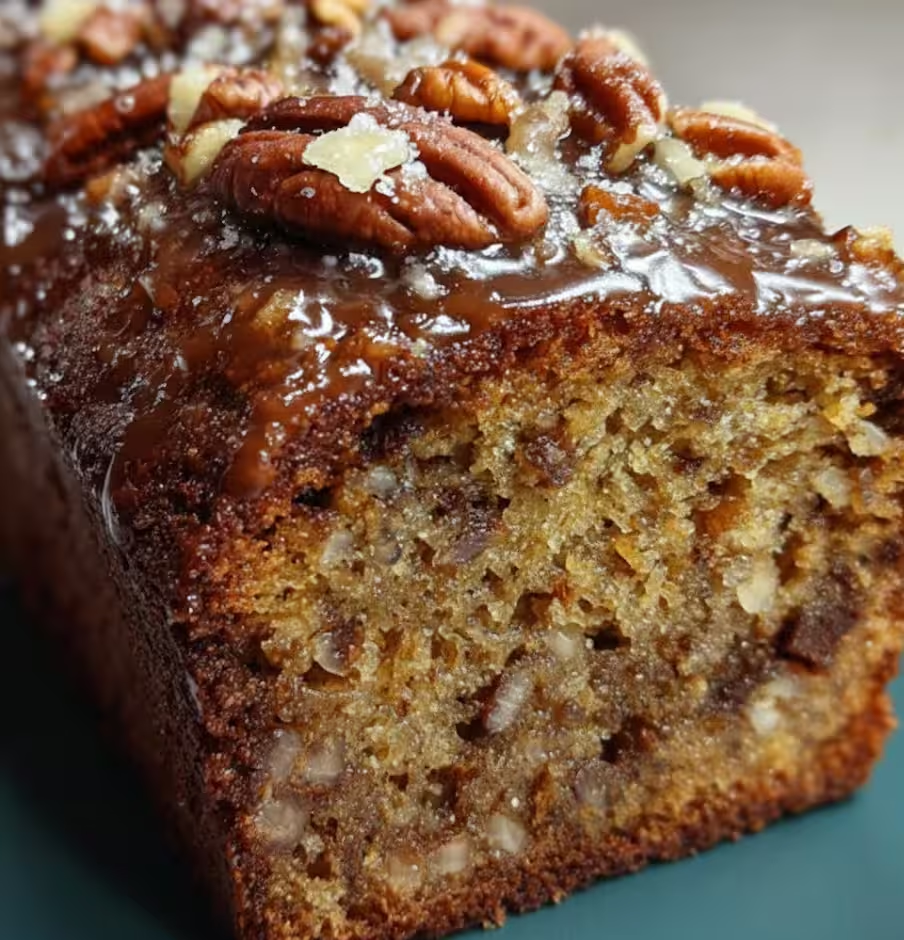
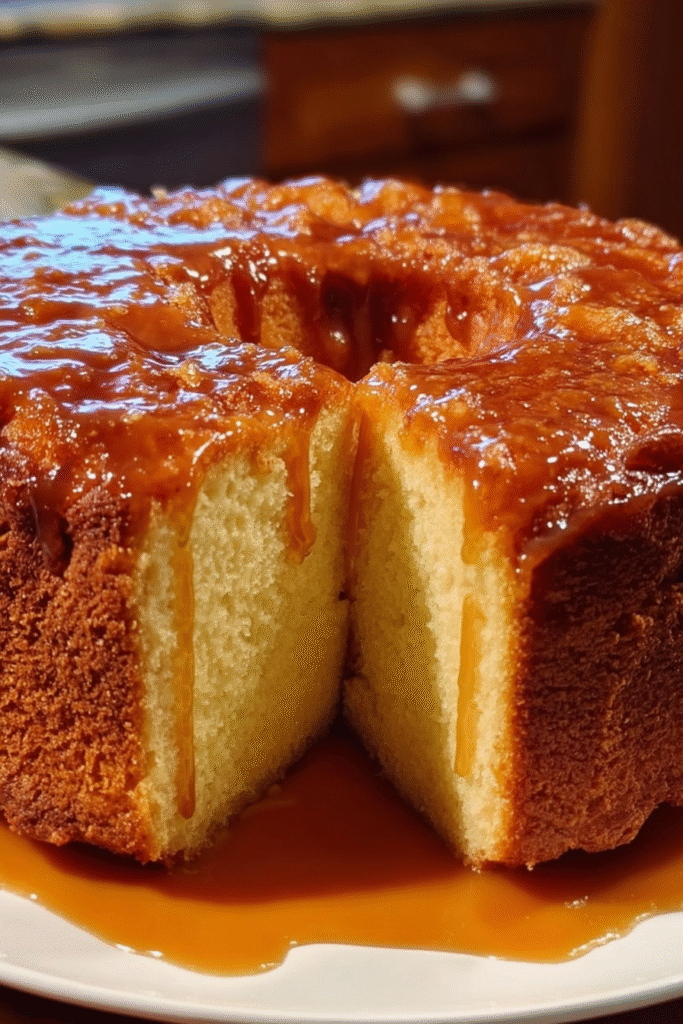
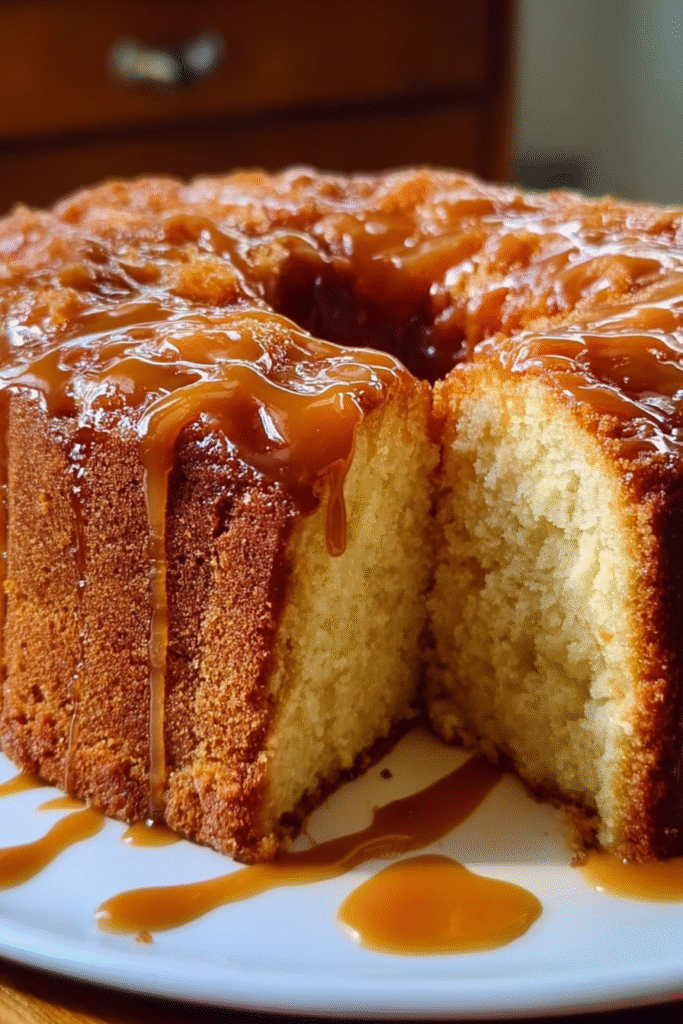
This luxurious pound cake elevates the classic dense, buttery texture with the addition of tangy cream cheese that creates an impossibly moist crumb, then crowns it all with a silky, homemade caramel sauce that cascades down the sides in golden rivers. The combination of butter and cream cheese provides dual richness—the butter contributes that signature pound cake flavor while the cream cheese adds moisture and a subtle tang that prevents the sweetness from becoming cloying. Baked to golden perfection in a bundt pan, this showstopping dessert looks impressive enough for special celebrations yet uses straightforward techniques and pantry-staple ingredients that make it accessible for bakers of all skill levels.
Why You’ll Love This Recipe
Foolproof pound cake perfection – The addition of cream cheese to traditional pound cake batter virtually guarantees a moist, tender result that won’t dry out even if slightly overbaked, making this recipe remarkably forgiving for nervous bakers.
Homemade caramel sauce magic – While store-bought caramel works in a pinch, making your own takes just 10 minutes and transforms this cake from good to extraordinary with deep, buttery-sweet flavor that can’t be replicated from a jar.
Impressive presentation, simple technique – The elegant bundt shape and glossy caramel drizzle create bakery-worthy visual appeal, yet the actual preparation involves just basic mixing and baking with no complicated decorating skills required.
Long-lasting moisture – Thanks to the cream cheese and generous butter content, this cake actually improves over the first 24 hours as flavors meld, and stays remarkably moist for up to a week refrigerated—perfect for make-ahead entertaining.
Versatile serving options – Serve it plain for breakfast or afternoon tea, dress it up with vanilla ice cream for dessert, or add fresh berries and whipped cream for special occasions—this cake adapts beautifully to any context.
Freezer-friendly convenience – Both the cake and caramel sauce freeze beautifully for up to three months, allowing you to prepare components in advance or keep a homemade dessert ready for unexpected guests or last-minute celebrations.
Ingredients You’ll Need
For the Pound Cake
1 cup unsalted butter, softened – Must be at room temperature (leave out 2-3 hours) for proper creaming; the butter provides rich flavor, tender texture, and helps incorporate air for a lighter crumb despite the cake’s density
8 oz cream cheese, softened – Full-fat cream cheese at room temperature ensures smooth mixing without lumps; adds moisture, tang, and richness while keeping the cake tender for days
2½ cups granulated sugar – Creates sweetness, contributes to structure through creaming, and helps achieve the golden-brown crust; this generous amount is characteristic of traditional pound cakes
6 large eggs, at room temperature – Room-temperature eggs emulsify better into the batter; they provide structure, richness, and leavening power while contributing to the cake’s golden color
3 cups all-purpose flour – The structural foundation of the cake; use standard all-purpose flour and measure by spooning into the cup and leveling off for accuracy
1 teaspoon baking powder – Provides additional lift beyond the eggs and creaming method, ensuring the dense batter rises properly and doesn’t become too compact
½ teaspoon baking soda – Works with the acidic cream cheese to create lift and helps achieve a tender crumb by weakening gluten development
1 teaspoon salt – Essential for balancing sweetness and enhancing all other flavors; kosher salt or fine sea salt work best for even distribution
1½ teaspoons vanilla extract – Pure vanilla extract adds warmth and depth; this relatively generous amount ensures vanilla flavor shines through the rich butter and cream cheese
½ cup whole milk – Adds moisture and helps thin the dense batter to proper consistency; whole milk’s fat content contributes to richness and tender texture
For the Caramel Sauce
1 cup packed light brown sugar – The molasses in brown sugar creates deeper, more complex caramel flavor than white sugar alone; pack firmly into the measuring cup for accurate measurement
½ cup unsalted butter – Forms the rich, silky base of the caramel; unsalted allows you to control the saltiness of the final sauce
¼ cup heavy cream – Stops the cooking process and creates smooth, pourable consistency; the high fat content prevents graininess and adds luxurious richness
1½ teaspoons vanilla extract – Added after cooking to preserve its delicate flavor compounds; enhances the caramel’s depth and complexity
1 pinch of salt – Crucial for creating salted caramel flavor that balances sweetness; use flaky sea salt for the most sophisticated result
Step-by-Step Instructions
Preheat and prepare pans Set your oven to 325°F (163°C)—this lower temperature ensures the thick batter bakes through without the exterior burning. Thoroughly grease a 10-inch bundt pan or two 9×5-inch loaf pans with butter or cooking spray, then dust with flour, tapping out excess—this double coating is essential for easy cake release from intricate bundt pan crevices.
Cream butter, cream cheese, and sugar In a large mixing bowl using an electric mixer on medium-high speed, beat together the 1 cup softened butter, 8 oz softened cream cheese, and 2½ cups granulated sugar for a full 5 minutes, scraping down the bowl sides midway. The mixture should transform from grainy to light, fluffy, and pale—this extended creaming incorporates air that creates a tender crumb despite the dense batter.
Add eggs one at a time Reduce mixer speed to medium and add the 6 eggs one at a time, beating for 20-30 seconds after each addition until fully incorporated before adding the next. This gradual addition prevents the batter from curdling and ensures a smooth, homogeneous mixture—rushing this step can result in a separated, grainy batter.
Combine dry ingredients In a separate medium bowl, whisk together the 3 cups all-purpose flour, 1 teaspoon baking powder, ½ teaspoon baking soda, and 1 teaspoon salt until thoroughly combined. Whisking rather than sifting is sufficient and ensures the leavening agents distribute evenly throughout the flour.
Alternate adding dry ingredients and milk With the mixer on low speed, add the flour mixture to the butter mixture in three additions, alternating with the ½ cup milk in two additions—begin and end with flour mixture. Mix each addition just until the flour disappears, about 10-15 seconds, scraping down the bowl between additions. Stop mixing as soon as no flour streaks remain; overmixing develops gluten and creates a tough, tunneled cake.
Add vanilla and transfer to pan Stir in the 1½ teaspoons vanilla extract by hand using a spatula, folding just 2-3 times to incorporate. Pour the thick batter into your prepared bundt or loaf pan(s), smoothing the top with a spatula and gently tapping the pan on the counter 2-3 times to release air bubbles that could create holes in the finished cake.
Bake to perfection Bake for 65-75 minutes for a bundt pan or 60-70 minutes for loaf pans, rotating halfway through for even browning. The cake is done when a long wooden skewer or toothpick inserted into the deepest part comes out clean or with just a few moist crumbs (not wet batter), the top springs back when lightly pressed, and the edges pull slightly away from the pan sides.
Cool properly Remove from the oven and let the cake cool in the pan on a wire rack for exactly 15-20 minutes—no more, no less. This resting period allows the structure to set enough for easy removal without breaking, but prevents the cake from becoming soggy from trapped steam. After 15-20 minutes, carefully invert onto the wire rack and let cool completely before adding caramel, about 2-3 hours.
Make the caramel sauce In a medium saucepan over medium heat, melt the ½ cup butter completely. Add the 1 cup packed brown sugar and stir constantly with a wooden spoon or heat-resistant spatula for 2-3 minutes until the mixture begins to bubble gently around the edges. Very slowly pour in the ¼ cup heavy cream while stirring continuously—it will bubble vigorously, so be careful. Continue cooking and stirring for 2-3 more minutes until the sauce thickens slightly and becomes smooth. Remove from heat and stir in the 1½ teaspoons vanilla extract and a generous pinch of flaky sea salt.
Drizzle and serve Let the caramel sauce cool for 5-10 minutes until it’s still pourable but has thickened slightly. Place the completely cooled cake on a serving platter and drizzle the caramel generously over the top, allowing it to cascade naturally down the sides in glossy rivulets. For more controlled drizzling, transfer caramel to a squeeze bottle or use a spoon to create decorative patterns.
Recipe Notes & Tips
Room temperature ingredients are crucial – Butter, cream cheese, and eggs must all be at room temperature for proper emulsification; cold ingredients won’t cream properly and can cause the batter to curdle or separate, resulting in dense, uneven texture.
Don’t skip the creaming time – The full 5 minutes of creaming butter, cream cheese, and sugar is essential for incorporating air that creates a tender crumb; cutting this short results in a denser, more compact cake.
Proper pan preparation prevents disaster – Bundt pans with intricate designs are notorious for cakes sticking; use a pastry brush to coat every crevice with softened butter, then dust thoroughly with flour, tapping out excess—this is not the place to use cooking spray alone.
Low oven temperature matters – The 325°F temperature may seem low, but it’s essential for even baking throughout the thick batter without burning the exterior; higher temperatures create a dark crust while leaving the center undercooked.
Cooling time is not negotiable – Attempting to remove the cake from the pan too early causes it to break apart; waiting too long causes it to stick; set a timer for exactly 15-20 minutes for perfect release.
Caramel sauce consistency – The caramel will seem thin when hot but thickens considerably as it cools; if it becomes too thick, gently rewarm it over low heat or in 10-second microwave bursts, stirring between each interval.
Nutritional Information
Prep Time: 20 minutes
Cook Time: 65-75 minutes (bundt) or 60-70 minutes (loaves)
Total Time: 90-95 minutes (plus 2-3 hours cooling time)
Servings: 12-16 slices (depending on thickness; bundt typically yields 12-14 slices)
Calories per serving: Approximately 350-420 kcal per slice based on 12 servings (varies with slice size and amount of caramel; using reduced-fat cream cheese can lower by 40-50 calories per slice)
Perfect Pairings
Vanilla ice cream or whipped cream – A cold, creamy scoop of vanilla ice cream or dollop of freshly whipped cream provides temperature contrast and cuts through the rich sweetness with dairy coolness.
Fresh berries – Sliced strawberries, raspberries, or blueberries add tartness, freshness, and visual appeal that balance the cake’s richness and sweetness while contributing vitamins and fiber.
Hot coffee or tea – Strong black coffee or Earl Grey tea provides bitter notes that complement the sweet caramel and cleanse the palate between bites of rich cake.
Bourbon or dessert wine – For adults, a small pour of bourbon enhances the caramel notes, while a sweet dessert wine like Sauternes or late-harvest Riesling provides elegant pairing for special occasions.
Ideal Occasions
Holiday gatherings and celebrations – The impressive appearance and crowd-pleasing flavor make this perfect for Thanksgiving, Christmas, Easter, or any holiday when you want a showstopping dessert that feeds many.
Birthday parties and special occasions – While not a traditional birthday cake, this elegant pound cake serves beautifully for adult birthdays, anniversaries, or milestone celebrations where sophistication trumps novelty.
Afternoon tea or coffee gatherings – Serve simple slices without ice cream for ladies’ luncheons, book clubs, or afternoon tea parties where a refined, not-too-sweet dessert is appropriate.
Potluck contributions – This cake travels beautifully, stays moist for days, and appeals to diverse palates, making it ideal for church suppers, office parties, or neighborhood gatherings where you want guaranteed success.
Storage & Serving Tips
Room temperature storage – If consuming within 2-3 days, store the cake tightly wrapped in plastic wrap at room temperature; the high butter and sugar content preserve moisture and prevent spoilage at room temperature for several days.
Refrigerator storage – For longer storage (up to 1 week), wrap tightly and refrigerate; bring to room temperature or warm slightly before serving for best texture and flavor—cold cake is denser and less flavorful.
Freezing instructions – Wrap unfrosted cake tightly in plastic wrap, then foil, and freeze for up to 3 months; freeze caramel sauce separately in an airtight container; thaw both overnight in refrigerator before serving.
Serving suggestions – Slice with a sharp, thin knife, wiping the blade between cuts for clean slices; slightly warm slices in the microwave for 10-15 seconds to restore just-baked tenderness and make the caramel sauce glossy again.
Creative Variations to Try
Chocolate caramel version – Replace ½ cup flour with ½ cup cocoa powder and add 1 teaspoon espresso powder for rich chocolate pound cake; drizzle with both chocolate and caramel sauces.
Citrus cream cheese cake – Add 2 tablespoons lemon or orange zest to the batter and replace vanilla with lemon or orange extract; top with a simple citrus glaze instead of caramel for bright, refreshing flavor.
Pumpkin spice autumn cake – Add 1 cup pumpkin puree, reduce milk to ¼ cup, and include 2 teaspoons pumpkin pie spice; serve with cream cheese frosting and candied pecans for fall celebrations.
Salted caramel pecan version – Fold 1 cup toasted chopped pecans into the batter before baking, and stir ½ cup more into the warm caramel sauce; sprinkle flaky sea salt generously over the caramel drizzle.
Troubleshooting Common Issues
Cake stuck in the bundt pan – The pan wasn’t greased thoroughly enough, especially in the crevices; next time, use a pastry brush to coat every detail with butter, flour generously, and cool for exactly 15-20 minutes before inverting.
Dense, heavy texture – The butter and cream cheese were too cold, eggs weren’t at room temperature, or the batter was overmixed; ensure all ingredients are room temperature and mix only until flour disappears.
Dry, crumbly cake – Overbaked or too much flour; use an oven thermometer to verify temperature accuracy, check for doneness at the minimum time, and measure flour by spooning into cups and leveling off rather than scooping.
Caramel is grainy or crystallized – Sugar crystallized during cooking; prevent this by stirring constantly, adding cream very slowly, and avoiding any temperature fluctuations; if it happens, start over as there’s no fix.
Why This Recipe Works
Caramel Cream Cheese Pound Cake succeeds through the scientific synergy of fat, sugar, and acid that creates an exceptionally moist, tender crumb despite the dense batter. Traditional pound cake contains equal weights of butter, sugar, eggs, and flour, but adding cream cheese introduces additional moisture, fat, and mild acidity from lactic acid cultures that tenderize the gluten structure and keep the cake from drying out. The extended creaming of butter, cream cheese, and sugar creates an emulsion where sugar crystals cut into the fats, creating tiny air pockets that expand during baking through steam and chemical leavening—this is why the 5-minute creaming time is non-negotiable. Room-temperature eggs emulsify more readily into the fat mixture, creating a stable batter that won’t curdle or separate, while cold eggs can shock the mixture and cause it to break. The alternating addition of dry ingredients and milk follows classic muffin method principles—starting and ending with flour creates a protective coating around the liquid that prevents gluten overdevelopment, while alternating additions ensure thorough hydration without overmixing. The combination of baking powder and baking soda provides both lift and tenderness—baking powder contributes rise, while baking soda neutralizes the cream cheese’s acidity and creates a more tender crumb by weakening gluten bonds. The 325°F temperature is precisely calibrated for even heat penetration through the thick batter; higher temperatures would set the exterior too quickly, preventing center from cooking through and causing tunneling or cracking. The homemade caramel sauce works through caramelization of sugar and the Maillard reaction between milk proteins in butter and cream—the brown sugar’s molasses contributes both color and complex flavor notes including bitter, sour, and sweet that white sugar alone cannot provide. Adding cream stops the cooking process and creates a smooth, pourable consistency through emulsification of butter fat into the liquid. The cooling of the cake before adding caramel prevents the sauce from soaking into the cake and making it soggy—the firmed structure allows caramel to cascade and set on the surface where it creates visual appeal and flavor contrast between rich sauce and tender cake. At approximately 350-420 calories per slice, this is undeniably an indulgent dessert, but pound cake’s richness means small slices provide genuine satisfaction rather than requiring large portions.
Final Thoughts
Caramel Cream Cheese Pound Cake represents the perfect evolution of a classic American dessert—honoring the traditional dense, buttery pound cake while modernizing it with cream cheese for foolproof moisture and topping it with homemade caramel that elevates it from everyday to extraordinary. This recipe proves that impressive desserts don’t require professional pastry skills or complicated techniques; sometimes the most memorable results come from mastering fundamental methods like proper creaming, careful mixing, and patient cooling. The make-ahead friendly nature and exceptional keeping qualities mean you can bake this cake days before serving or keep it frozen for months, providing the luxury of homemade dessert without last-minute stress when entertaining or celebrating. While the calorie count of 350-420 per slice is substantial, remember that rich desserts like pound cake are meant to be savored in modest portions—a thin slice with coffee or a slightly thicker wedge with ice cream for special occasions provides complete satisfaction without requiring huge servings. For those watching calories, you can reduce each slice to approximately 280-320 calories by using reduced-fat cream cheese (though texture will be slightly less tender), cutting thinner slices, and using caramel sparingly or offering it on the side for drizzling. The versatility of this recipe—from breakfast coffee cake to elegant plated dessert—ensures it earns a permanent place in your baking repertoire, becoming the cake you return to again and again for its reliability, impressive presentation, and universally loved flavor profile. Whether you’re baking for a holiday gathering, contributing to a potluck, celebrating a milestone, or simply treating yourself to homemade comfort, this Caramel Cream Cheese Pound Cake delivers the perfect combination of rich tradition and modern indulgence—proving once again that some of the best recipes are those that make both the baking and the eating equally rewarding experiences.