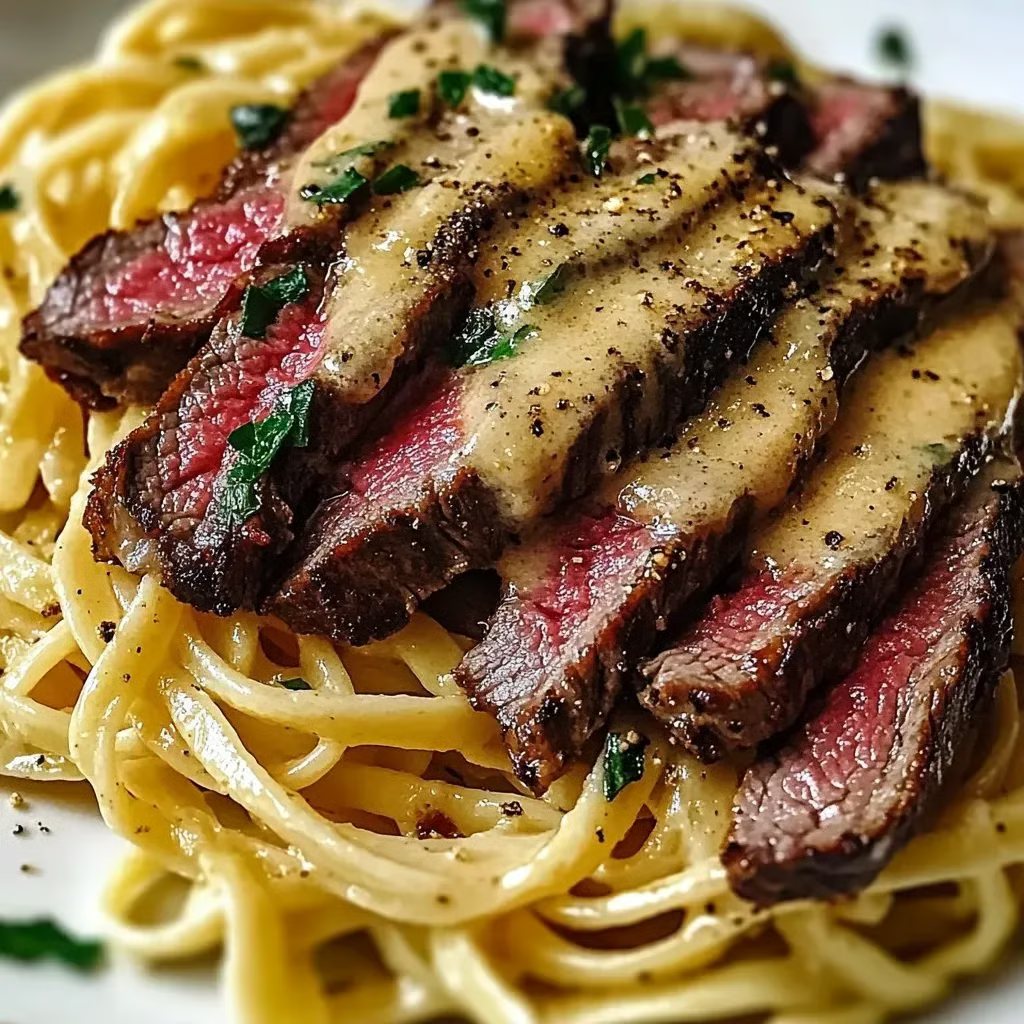
This elegant yet comforting dish combines perfectly seared steak with tender egg noodles, all tossed in a luscious garlic butter sauce that coats every strand and slice. The name “Lightning Noodles” reflects the quick cooking time—40 minutes from start to finish—while delivering restaurant-quality results through simple techniques like proper steak searing, resting, and slicing against the grain, all brought together in a silky butter sauce that makes this feel indulgent despite its straightforward preparation.
Why You’ll Love This Recipe
- Restaurant Quality at Home – Delivers steakhouse-caliber results with proper searing technique and rich garlic butter sauce, creating an impressive meal that rivals dining out for a fraction of the cost.
- Quick Weeknight Elegance – Ready in just 40 minutes from start to finish, making this achievable for busy evenings when you want something special without spending hours in the kitchen.
- Simple Ingredient List – Uses basic, high-quality ingredients that you likely already have—steak, butter, garlic, noodles—proving that impressive food doesn’t require exotic or complicated components.
- One-Pan Efficiency – Cooks everything in sequence using a single skillet, building layers of flavor while the fond from the steak enriches the butter sauce that eventually coats the noodles.
- Luxurious Comfort Food – Combines the satisfaction of perfectly cooked steak with the soul-soothing comfort of buttery noodles in a way that feels both indulgent and nostalgic.
- Impressive for Guests – Sophisticated enough to serve at dinner parties yet straightforward enough that you won’t be stressed in the kitchen while company waits at the table.
Ingredients You’ll Need
For the Main Components:
- 1-1½ lbs ribeye or sirloin steak, trimmed and patted dry – Ribeye offers maximum marbling and flavor; sirloin provides leaner option; choose steaks 1-1½ inches thick for proper searing
- 12 oz egg noodles – Provides the classic pasta base with tender texture; wide egg noodles work best for coating with sauce and holding their shape
- 4-6 tbsp unsalted butter – Creates the rich, silky sauce base; unsalted allows you to control seasoning precisely
- 4-6 cloves fresh garlic, minced – Infuses the butter with pungent, aromatic flavor that mellows when cooked; adjust quantity based on garlic preference
- 1-2 tsp salt – Seasons the steak generously before cooking and adjusts final dish seasoning; kosher or sea salt work best
- 1 tsp freshly ground black pepper – Adds warmth and enhances the savory profile; freshly ground provides better flavor than pre-ground
For Optional Additions:
- 2 tbsp fresh parsley, chopped – Adds bright green color and fresh, herbaceous note that cuts through the richness
- 1-2 tbsp lemon juice – Provides acidic brightness that balances the butter and highlights the beef flavor
Step-by-Step Instructions
Prepare and Season the Steak Remove the steak from refrigeration and pat it completely dry on all surfaces using paper towels—moisture is the enemy of a good sear and will cause steaming instead of browning. Season both sides generously with salt and freshly ground black pepper, pressing the seasonings into the meat gently. Let the seasoned steak rest at room temperature for 15-20 minutes, which allows for more even cooking from edge to center and ensures the cold center won’t still be raw when the exterior is perfectly seared.
Cook the Egg Noodles While the steak rests, bring a large pot of salted water to a rolling boil. Add the egg noodles and cook according to package directions until just al dente—they should still have a slight bite since they’ll continue cooking briefly when tossed with the hot butter sauce. Drain the noodles, reserving about ½ cup of the starchy pasta cooking water in case you need to thin the sauce later, and set aside.
Sear the Steak Heat a heavy-bottomed skillet (cast iron or stainless steel works best) over high heat until it’s screaming hot—this takes about 3-4 minutes. Add just enough high-smoke-point oil (vegetable, canola, or avocado) to barely coat the bottom, swirling to distribute. Carefully place the steak in the pan and resist the urge to move it—let it sear completely undisturbed for 3-4 minutes until a deep golden-brown crust forms on the bottom. Flip the steak using tongs and sear the second side for another 3-4 minutes for medium-rare (adjust timing based on thickness and desired doneness, aiming for 130-135°F internal temperature).
Rest the Steak Transfer the seared steak to a cutting board and cover loosely with aluminum foil. Let it rest for 5-7 minutes—this crucial step allows the juices to redistribute throughout the meat rather than running out onto the cutting board when you slice. The internal temperature will continue rising about 5 degrees during this resting period due to carryover cooking.
Create the Garlic Butter Sauce Reduce the heat under the skillet to medium and carefully pour off most of the oil, leaving behind the flavorful browned bits (fond) stuck to the bottom. Add the butter to the hot skillet and let it melt completely, swirling the pan to coat the bottom. Add the minced garlic and cook for 60-90 seconds, stirring constantly, until fragrant and just beginning to turn golden—watch carefully as garlic burns quickly and bitter burnt garlic will ruin the sauce.
Toss the Noodles in Sauce Add the cooked, drained egg noodles to the skillet with the garlic butter sauce. Using tongs or two forks, toss the noodles continuously for 1-2 minutes, lifting and turning them to ensure every strand gets coated evenly with the buttery, garlicky goodness. If the sauce seems too thick or the noodles look dry, add a splash of the reserved pasta water to loosen it and help the sauce cling to the noodles better.
Slice the Steak After the steak has rested fully, identify the direction of the muscle fibers (the grain) and slice perpendicular to those fibers—cutting against the grain—into strips about ¼-inch thick. This cutting technique shortens the muscle fibers and makes each bite significantly more tender than slicing with the grain would produce.
Combine and Finish Return the sliced steak to the skillet with the noodles, along with any accumulated juices from the cutting board—these juices contain concentrated beef flavor and should never be wasted. Toss everything together gently for 30-60 seconds over low heat, just until the steak is warmed through and incorporated with the noodles. Taste and adjust seasoning with additional salt and pepper if needed.
Plate and Serve Transfer the garlic butter steak and noodles to a large serving platter or individual plates, arranging the steak slices attractively over the top of the noodles. Garnish with freshly chopped parsley for color and a squeeze of fresh lemon juice for brightness if desired. Serve immediately while everything is hot and the butter sauce is still silky and coating every component beautifully.
Recipe Notes & Tips
- Steak Temperature – Bringing steak to room temperature before cooking is crucial for even doneness; cold steak will be overcooked on the outside and undercooked in the center.
- Pan Temperature – The skillet must be very hot before adding the steak to achieve proper searing; if the pan isn’t hot enough, the steak will steam and turn gray instead of developing a crust.
- Resting Is Essential – Never skip the resting period; cutting into steak immediately causes all the juices to spill out, leaving you with dry meat and a puddle on your cutting board.
- Butter Quality – Use high-quality European-style butter with higher fat content for the richest, most luxurious sauce; the butter is a primary flavor component here, not just cooking fat.
- Garlic Timing – Add garlic to melted butter rather than cold butter to prevent burning; if it starts browning too quickly, remove the pan from heat while stirring.
- Noodle Alternatives – While egg noodles are traditional, this works beautifully with fettuccine, pappardelle, or even mashed potatoes for a different take on the same concept.
Nutritional Information
Prep Time: 20 minutes
Cooking Time: 20 minutes
Total Time: 40 minutes
Servings: 4 servings
Calories: Approximately 540 calories per serving (based on 6 oz ribeye per person and generous butter sauce)
Perfect Pairings
- Roasted Asparagus – Serve alongside tender roasted asparagus spears with lemon zest to add green vegetables and bright, fresh contrast to the rich main dish.
- Simple Arugula Salad – Balance the heavy steak and noodles with peppery arugula dressed lightly with olive oil, lemon juice, and shaved Parmesan.
- Garlic Bread – For the ultimate carb-and-butter experience, serve with toasted garlic bread to soak up any extra sauce left on the plate.
- Red Wine – Pair with a medium-bodied red like Merlot or Côtes du Rhône that complements the beef without overpowering the garlic butter sauce.
Ideal Occasions
- Date Night at Home – Romantic and impressive enough for special occasions when you want restaurant-quality food without the expense or hassle of dining out.
- Weeknight Treat – Elevates an ordinary Tuesday or Wednesday into something special, providing comfort and satisfaction after a long day without requiring hours of cooking.
- Intimate Dinner Parties – Perfect for serving 4-6 guests when you want elegant food that can be prepared mostly last-minute while allowing you to socialize.
- Celebratory Meals – Ideal for birthdays, anniversaries, or achievements when you want indulgent comfort food that still feels worthy of the celebration.
Storage & Serving Tips
- Immediate Consumption Best – This dish tastes best served fresh, as the butter sauce can separate when cooled and reheated, and steak quality declines significantly with reheating.
- Refrigerator Storage – If you must save leftovers, cool completely and store in an airtight container for up to 2 days; keep steak and noodles together to prevent the noodles from drying out.
- Gentle Reheating – Reheat gently in a skillet over low heat with a splash of butter or cream to revive the sauce, or microwave at 50% power in 1-minute intervals, stirring between.
- Portion Planning – Each serving includes about 6 ounces of steak and 3 ounces of cooked noodles; adjust quantities up or down based on appetites and what sides you’re serving.
Creative Variations to Try
- Mushroom Addition – Sauté sliced mushrooms in the skillet before adding butter and garlic for earthy depth and additional texture throughout the dish.
- Creamy Version – Add ¼ cup heavy cream to the butter sauce along with a handful of grated Parmesan for even richer, more decadent results.
- Asian-Inspired – Replace butter with sesame oil, add soy sauce and ginger to the sauce, and garnish with scallions and sesame seeds for fusion twist.
- Herb Butter – Mix chopped fresh thyme, rosemary, and oregano into the butter along with the garlic for compound butter complexity.
Troubleshooting Common Issues
- Gray, Steamed Steak – Pan wasn’t hot enough or steak was too wet when added; ensure the skillet is smoking hot and steak is completely dry before searing.
- Tough Steak – Sliced with the grain instead of against it, or overcooked; always identify grain direction and slice perpendicular to it for maximum tenderness.
- Burnt Garlic – Heat too high or cooked too long; reduce heat to medium before adding garlic and cook just until fragrant, removing from heat if it starts browning quickly.
- Dry Noodles – Not enough butter or sauce absorbed; add reserved pasta water a splash at a time and more butter if needed to create silky coating.
Why This Recipe Works
This deceptively simple dish succeeds by applying fundamental cooking techniques properly and sequencing them efficiently to build layers of flavor in a single pan. Searing the steak at high heat creates the Maillard reaction—the complex chemical process that develops hundreds of flavor compounds and creates that irresistible brown crust on properly cooked meat. Letting the steak rest after cooking allows the muscle fibers to relax and reabsorb moisture that was pushed to the center during cooking, preventing juice loss when slicing. Slicing against the grain mechanically shortens the muscle fibers, making each bite tender regardless of the cut quality. Using the same pan for the butter sauce captures all the fond (browned bits) left by the steak, incorporating those concentrated beef flavors into the garlic butter that eventually coats the noodles. The starchy pasta water acts as an emulsifier that helps the butter sauce cling to the noodles rather than pooling at the bottom of the bowl, while also adding body and slight creaminess without additional dairy. Cooking garlic gently in butter rather than oil allows the fat-soluble aromatic compounds to infuse throughout the sauce while preventing the harsh, bitter notes that develop when garlic burns. The combination of rich butter, savory steak juices, and aromatic garlic creates a sauce that’s far more than the sum of its simple parts. At 540 calories per serving with 38 grams of protein, this delivers substantial nutrition that satisfies hunger for hours while providing the complete amino acid profile and B vitamins essential for energy and muscle maintenance.
Final Thoughts
Garlic Butter Steak Lightning Noodles demonstrates that impressive, restaurant-quality meals don’t require complicated techniques or exotic ingredients—just quality basics treated with care and proper timing. The moderate skill level reflects the need for attention to searing temperature and doneness, but the straightforward process makes this entirely achievable for home cooks willing to focus during the cooking process. This recipe proves that comfort food can be elegant, that weeknight dinners can feel special, and that sometimes the best meals come from simple combinations executed thoughtfully rather than complex recipes with dozens of ingredients. Whether you’re treating yourself after a long week, impressing someone special with your cooking skills, or simply craving the ultimate comfort food combination of tender steak and buttery noodles, this versatile dish adapts easily to your needs while consistently delivering that perfect bite where savory beef, silky noodles, and rich garlic butter come together in absolutely delicious harmony.