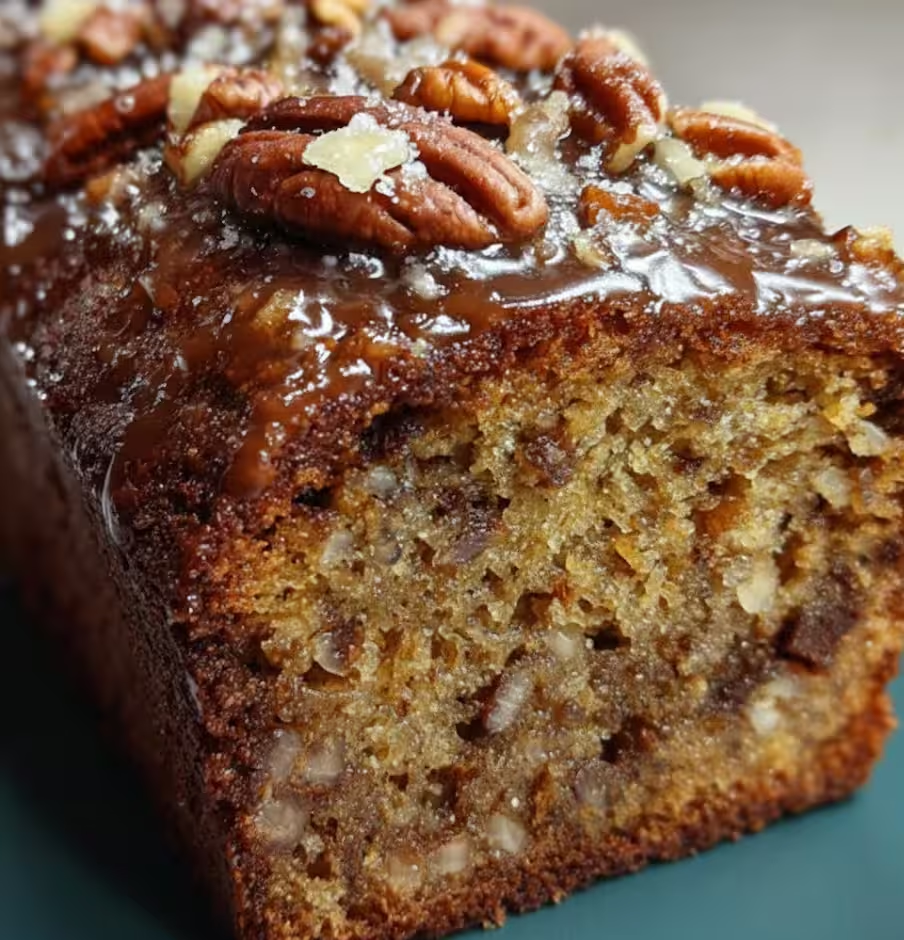
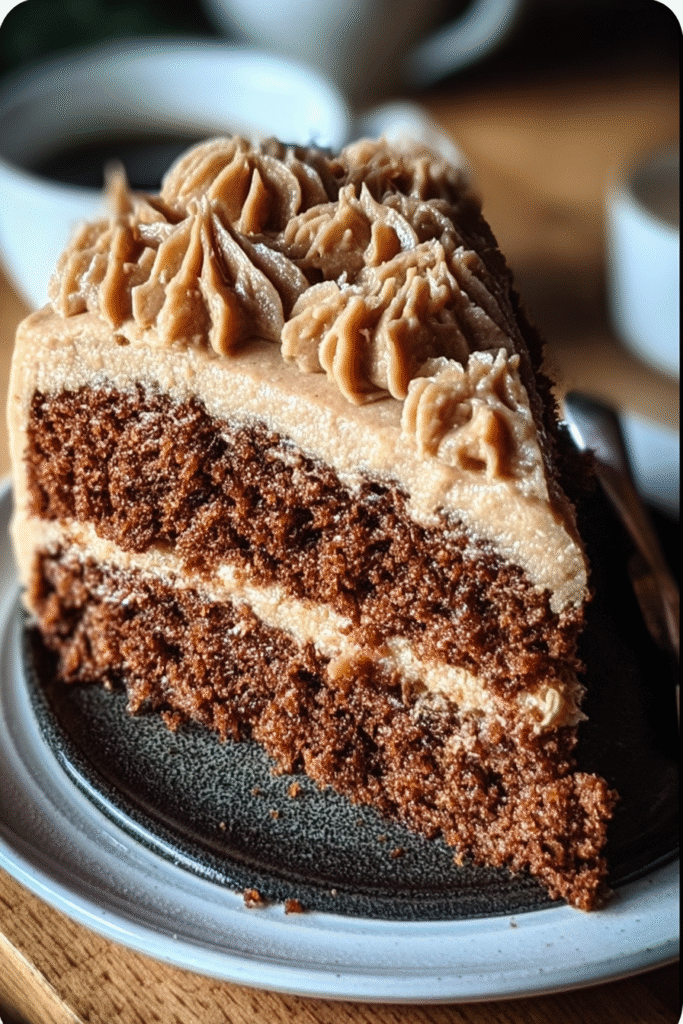
This warmly spiced, deeply flavored gingerbread cake combines the nostalgic holiday flavors of ginger, cinnamon, and cloves with rich molasses, all topped with a silky cinnamon-molasses buttercream that amplifies the warm spice profile. The recipe creates a moist, tender crumb through the traditional technique of alternating dry and wet ingredients while incorporating hot water that blooms the spices and keeps the cake exceptionally soft. With its impressive presentation in a 9×13-inch pan that serves a crowd, make-ahead friendly nature that actually improves as flavors meld, and universally beloved gingerbread flavor that evokes holiday nostalgia, this spiced cake represents the perfect centerpiece dessert for winter celebrations, holiday gatherings, or any occasion when you want comforting sweetness that tastes like Christmas morning and feels like home.
Why You’ll Love This Recipe
- Classic Holiday Flavors – This cake captures the quintessential taste of gingerbread—warming spices, deep molasses richness, subtle sweetness—that instantly evokes holiday traditions and winter celebrations.
- Exceptional Moisture – The combination of molasses, butter, and hot water creates remarkably moist, tender crumb that stays soft for days rather than drying out like many cakes.
- Crowd-Friendly Format – The 9×13-inch sheet cake serves 12-15 people easily, making this ideal for gatherings, potlucks, or family celebrations without requiring layer cake assembly.
- Make-Ahead Excellence – This cake actually improves after a day as the spices meld and the molasses flavor deepens, making it perfect for preparing ahead without quality loss.
- Cinnamon Molasses Frosting – The frosting echoes the cake’s warm spice profile while adding creamy sweetness that balances the molasses’s slight bitterness beautifully.
- Beginner-Friendly Technique – Despite its impressive results, this recipe uses straightforward mixing methods without complicated techniques like creaming for extended periods or tempering eggs.
Ingredients You’ll Need
For the Gingerbread Cake
- 2 1/2 cups all-purpose flour – Provides the structural foundation; approximately 315g, with all-purpose flour’s moderate protein content (10-12%) creating ideal texture.
- 2 tsp baking soda – Provides leavening and helps neutralize molasses’s acidity; approximately 10g, creating tender crumb and attractive dark color.
- 1 tsp ground ginger – Delivers the signature warm, spicy, slightly peppery ginger flavor; approximately 2g, freshly purchased ginger offers more potent flavor than old spices.
- 1 tsp ground cinnamon – Adds sweet, warm aromatic spice; approximately 2.5g, use Ceylon cinnamon for delicate flavor or Cassia for more intense profile.
- 1/2 tsp ground cloves – Contributes intense, aromatic warmth; approximately 1g, a little goes a long way—too much creates medicinal taste.
- 1/2 tsp salt – Enhances all flavors and balances sweetness; approximately 3g fine sea salt or table salt.
- 3/4 cup unsalted butter, softened – Adds richness, flavor, and tender texture; approximately 170g or 1.5 sticks, softened to room temperature for at least 30 minutes.
- 1 cup brown sugar – Sweetens while adding molasses notes and moisture; approximately 200g lightly packed, with light or dark brown sugar both working well.
- 2 large eggs – Bind ingredients while adding structure and richness; room temperature eggs incorporate more smoothly and create lighter texture.
- 1 cup molasses – Provides the essential deep, complex sweetness and dark color; approximately 240ml, use unsulphured molasses (not blackstrap, which is too bitter).
- 1 tsp vanilla extract – Enhances all other flavors while adding aromatic complexity; approximately 5ml pure vanilla extract.
- 1 cup hot water – Blooms the spices and creates exceptionally moist, tender crumb; approximately 240ml water heated to near-boiling temperature.
For the Cinnamon Molasses Frosting
- 1/2 cup unsalted butter, softened – Forms the rich, creamy frosting base; approximately 115g or 1 stick, softened to room temperature for smooth mixing.
- 1 1/2 cups powdered sugar – Sweetens and thickens the frosting; approximately 180g confectioners’ sugar, sifted if lumpy.
- 2 tbsp molasses – Echoes the cake’s flavor while adding moisture and color; approximately 30ml.
- 1 tsp ground cinnamon – Reinforces the warm spice profile; approximately 2.5g.
- 2-3 tbsp milk – Adjusts frosting to ideal spreadable consistency; approximately 30-45ml, add gradually until reaching desired texture.
Step-by-Step Instructions
Prepare the Pan and Oven
Preheat your oven to 350°F (175°C), positioning the rack in the center for even heat distribution. Generously grease a 9×13-inch baking pan with butter or non-stick cooking spray, ensuring complete coverage including corners to prevent sticking.
Combine the Dry Ingredients
In a medium mixing bowl, whisk together the all-purpose flour, baking soda, ground ginger, ground cinnamon, ground cloves, and salt for 30-45 seconds until the spices are evenly distributed throughout the flour. This ensures uniform spice flavor in every bite and prevents clumps.
Cream Butter and Sugar
In a large mixing bowl using an electric mixer on medium speed (or vigorously by hand), cream the softened butter and brown sugar together for 2-3 minutes until the mixture is light, fluffy, and pale in color. Scrape down the bowl sides as needed to ensure even mixing. Add the eggs one at a time, beating well after each addition for about 30 seconds until fully incorporated. Stir in the molasses and vanilla extract, mixing until the batter is uniform in color—don’t worry if it looks slightly separated at this stage.
Alternate Dry and Wet Additions
With the mixer on low speed (or stirring gently by hand), add approximately one-third of the flour mixture to the butter mixture, stirring just until the flour disappears. Add half of the hot water and mix gently until incorporated. Repeat this pattern—another third of flour, the remaining hot water, then the final third of flour—mixing just until each addition is incorporated before adding the next. Mix only until no visible flour streaks remain and the batter is smooth; overmixing develops gluten and creates tough, dense cake.
Bake to Perfection
Pour the prepared batter into the greased 9×13-inch pan, using a spatula to spread it evenly to the corners and smooth the top surface. Place in the preheated 350°F oven and bake for 35-40 minutes, until the cake is set in the center, springs back when lightly touched, and a toothpick inserted in the center comes out clean or with just a few moist crumbs clinging to it. The cake should pull slightly away from the pan edges when done. Transfer the pan to a wire cooling rack and allow the cake to cool completely in the pan—this is essential before frosting, as warm cake will melt the frosting.
Prepare the Cinnamon Molasses Frosting
While the cake cools, or once it has cooled completely, prepare the frosting: In a medium bowl using an electric mixer on medium speed, beat the softened butter for 1-2 minutes until creamy and smooth. Reduce speed to low and gradually add the powdered sugar (sifting it first if lumpy), then add the molasses and ground cinnamon. Beat on medium speed for 2-3 minutes until light and fluffy. Add milk one tablespoon at a time, beating after each addition, until the frosting reaches your desired consistency—it should be thick enough to hold its shape but spreadable without tearing the cake.
Frost and Serve
Once the cake is completely cool, spread the prepared frosting over the entire top surface using an offset spatula or the back of a spoon, creating attractive swirls or smooth finish as desired. The frosting should be generous and cover the cake completely. Cut into 12-15 squares and serve. Store any leftovers covered at room temperature for up to 3 days, or refrigerate for up to 5 days.
Recipe Notes & Tips
- Molasses Selection Critical – Use unsulphured (not blackstrap) molasses for best flavor; blackstrap is too bitter and intensely flavored, overpowering the other spices.
- Hot Water Purpose – The hot water blooms the spices (releasing their volatile compounds) and creates steam that keeps the cake exceptionally moist—don’t substitute cold water.
- Butter Temperature – Properly softened butter (room temperature for 30+ minutes) creams properly and creates light texture; cold butter won’t incorporate air, while melted butter creates dense cake.
- Don’t Overmix – Mix just until each addition is incorporated; overmixing after adding flour develops gluten that creates tough, chewy texture rather than tender crumb.
- Complete Cooling Essential – The cake must cool completely before frosting; warm cake melts buttercream, creating sliding, soupy mess rather than attractive frosted finish.
- Spice Freshness – Old spices lose potency; if your ground ginger, cinnamon, or cloves have been sitting for years, replace them for optimal flavor.
Nutritional Information
- Prep Time: 20 minutes (measuring, mixing ingredients)
- Baking Time: 35-40 minutes
- Cooling Time: 45-60 minutes (until completely cool)
- Total Time: Approximately 2 hours (including all steps)
- Servings: 12-15 servings (depending on portion size)
- Calories: Approximately 380-420 per serving based on 12 servings (estimated with standard ingredients including frosting)
Perfect Pairings
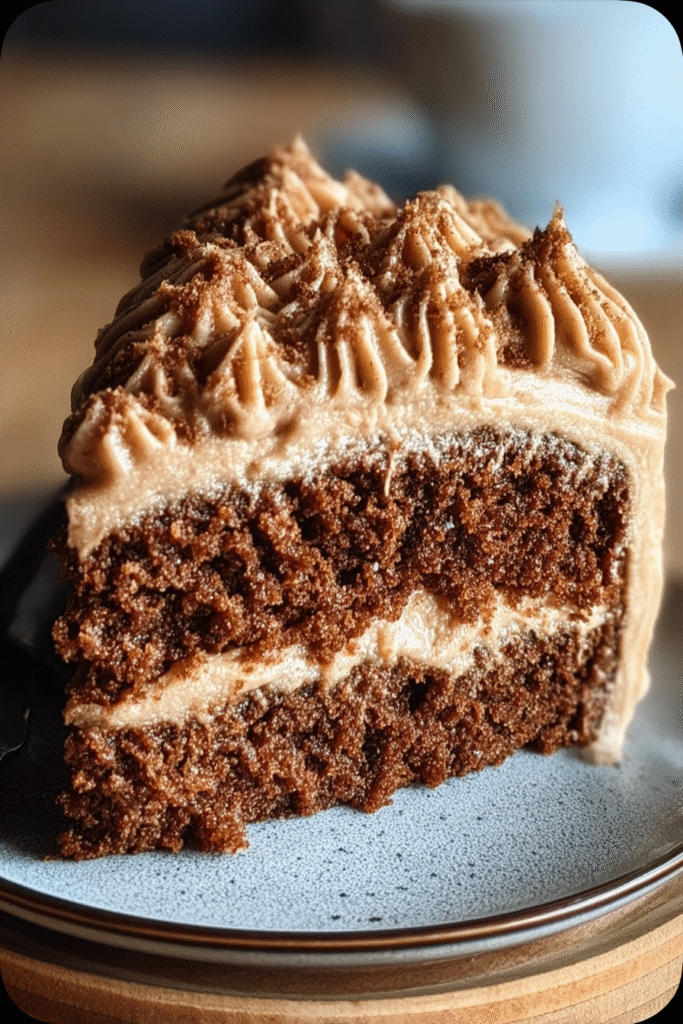
- Strong Coffee or Tea – Serve with robust black coffee, chai tea, or Earl Grey whose slight bitterness complements the sweet, spiced cake perfectly.
- Vanilla Ice Cream – Top warm cake slices with vanilla ice cream for temperature contrast and additional creamy richness that enhances the warm spices.
- Whipped Cream – Offer unsweetened whipped cream on the side for those wanting lighter accompaniment than buttercream frosting.
- Hot Apple Cider – Pair with warm spiced apple cider or mulled wine whose complementary spices echo the cake’s flavor profile.
Ideal Occasions
- Christmas Celebrations – The gingerbread flavor and warm spices make this quintessentially Christmas, perfect for holiday parties, cookie exchanges, or Christmas Eve dinners.
- Winter Gatherings – Serve at any cold-weather celebration when warming spices and comforting desserts feel seasonally appropriate and emotionally satisfying.
- Thanksgiving Dessert – Offer as alternative to pumpkin pie for those wanting traditional fall spices in different format.
- Holiday Bake Sales – Prepare for fundraising events or community gatherings where the crowd-pleasing flavors and easy portioning make serving simple.
Storage & Serving Tips
- Room Temperature Storage – Store covered cake at room temperature for up to 3 days; the molasses and spices actually improve in flavor as they meld.
- Refrigerator Storage – For longer storage, refrigerate covered for up to 5 days; bring to room temperature 30 minutes before serving for best flavor and texture.
- Freezer Storage – Wrap unfrosted cake tightly in plastic wrap then foil and freeze for up to 3 months; thaw overnight and frost before serving.
- Serving Temperature – While delicious at any temperature, slightly warm cake (10-15 seconds in microwave per slice) enhances the spices and creates cozy experience.
Creative Variations to Try
- Cream Cheese Frosting – Replace the buttercream with cream cheese frosting (8 oz cream cheese, 4 tbsp butter, 2 cups powdered sugar, 1 tsp vanilla) for tangy contrast.
- Orange Zest Addition – Add 1 tablespoon orange zest to the cake batter for bright citrus notes that complement the warm spices beautifully.
- Crystallized Ginger – Fold 1/2 cup finely chopped crystallized ginger into the batter for intense ginger flavor and chewy textural pockets.
- Caramel Drizzle – Drizzle caramel sauce over the frosted cake for additional sweetness and visual appeal that creates restaurant-worthy presentation.
Troubleshooting Common Issues
- Dense, Heavy Texture – Overmixing after adding flour or using cold butter causes denseness; mix just until combined and ensure proper butter softening.
- Dry, Crumbly Cake – Overbaking or insufficient molasses creates dryness; check at 35 minutes and ensure accurate molasses measurement (full cup).
- Sunken Center – Opening oven too early, under-baking, or too much leavening causes sinking; don’t open oven before 30 minutes and measure baking soda carefully.
- Grainy Frosting – Undissolved powdered sugar creates graininess; beat frosting longer (3-5 minutes) until completely smooth and creamy.
Why This Recipe Works
Gingerbread Cake with Cinnamon Molasses Frosting succeeds through the masterful balance of warm spices, deep molasses sweetness, and proper technique that creates exceptional moisture and tender crumb. The combination of three warming spices—ginger (peppery heat), cinnamon (sweet warmth), and cloves (intense aromatic)—creates the complex flavor profile that defines gingerbread, with each spice contributing distinct notes that harmonize rather than compete. Molasses provides not just sweetness but complex flavor with slight bitterness and mineral notes that add depth impossible to achieve with sugar alone, while its hygroscopic properties retain moisture that keeps the cake soft for days. The baking soda reacts with molasses’s acidity, creating leavening while also developing the characteristic dark color through Maillard reactions. The hot water serves multiple crucial purposes: it blooms the spices (heat releases their volatile aromatic compounds), creates steam that contributes to moist crumb, and thins the batter to ideal pourable consistency. The alternating method of adding dry and wet ingredients prevents overmixing—adding everything at once would require extensive stirring that develops gluten and creates tough texture. The buttercream frosting echoes the cake’s flavor profile through molasses and cinnamon while adding creamy sweetness that balances molasses’s slight bitterness. At approximately 380-420 calories per serving, this represents substantial indulgence where calories derive primarily from butter, sugar, molasses, and frosting—designed as special-occasion celebration dessert reflecting the premium ingredients and holiday nature that distinguish this from everyday cakes.
Final Thoughts
Gingerbread Cake with Cinnamon Molasses Frosting represents the perfect expression of holiday baking tradition, capturing nostalgic flavors in accessible format that honors gingerbread’s heritage while adapting to modern convenience. This recipe appeals particularly to those seeking classic holiday desserts, bakers wanting reliable crowd-pleasers that serve many, or anyone craving the emotional warmth that gingerbread’s spices provide through cold months. The sheet cake format eliminates the intimidation of layer cakes while maintaining impressive presentation—the generous frosting and attractive swirls create visual appeal worthy of special occasions. The make-ahead nature transforms this from day-of stress into strategic preparation tool, allowing bakers to prepare in advance while actually improving flavor through resting. The universal appeal of gingerbread transcends age groups—children love the sweetness, adults appreciate the spice complexity, and everyone responds to the nostalgic associations with holidays, family traditions, and cherished memories. While the 380-420 calorie estimate per serving represents holiday indulgence, the special-occasion context and memorable flavor appropriately frame this as celebration food meant for marking significant moments rather than everyday consumption. For those seeking modifications, reducing sugar slightly or using less frosting lightens the recipe, though the current balance represents traditional gingerbread expectations. Ultimately, this gingerbread cake deserves permanent status in holiday baking collections as proof that some flavors transcend trends and fads—the combination of ginger, cinnamon, cloves, and molasses has comforted people for centuries, and this cake continues that tradition by delivering familiar joy wrapped in tender crumb, sweet frosting, and the understanding that the best holiday baking honors both tradition and the people we share it with.