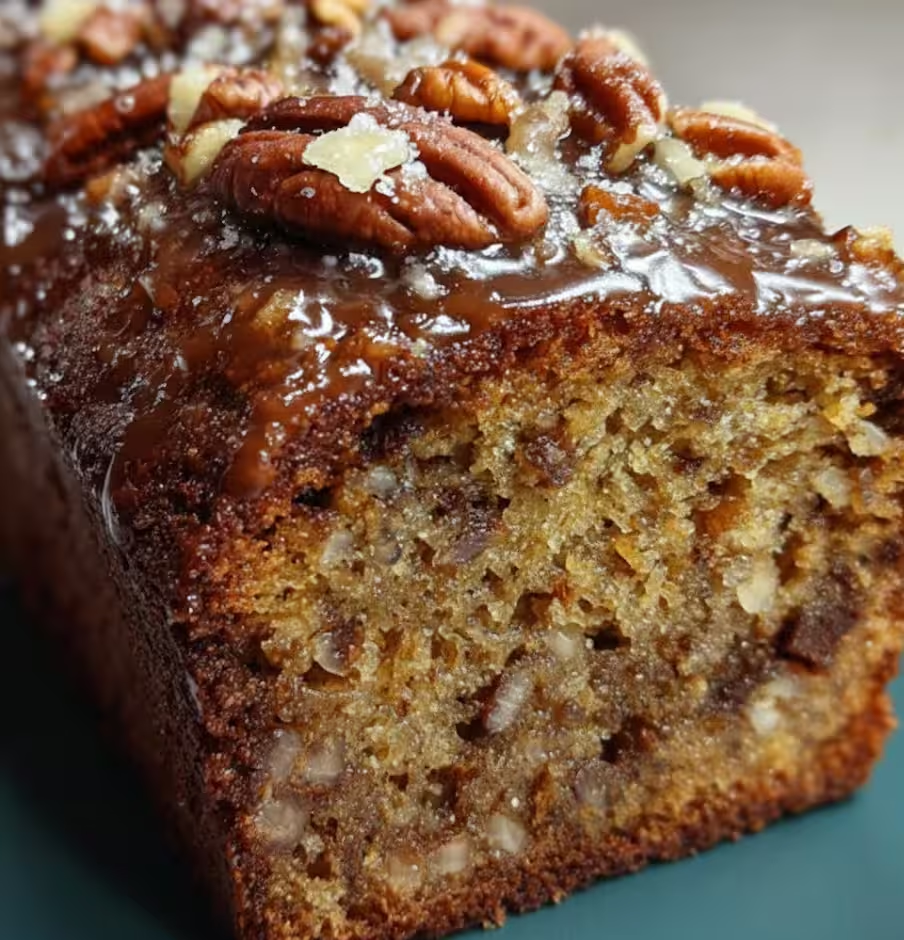
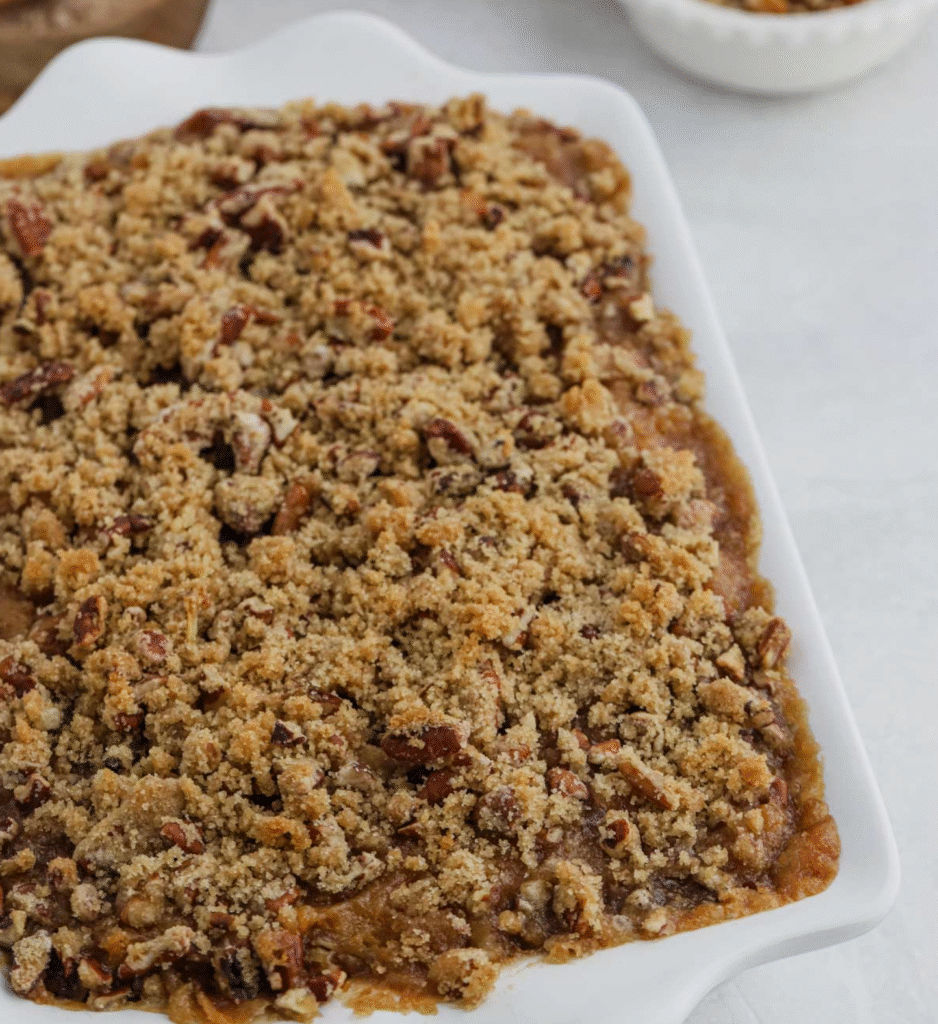
This Paula Deen sweet potato casserole transforms humble sweet potatoes into an indulgent holiday side dish that walks the delicious line between savory and sweet, finished with a crunchy pecan streusel topping that provides textural contrast to the creamy base. By whipping mashed sweet potatoes with butter, eggs, warm spices, and cream, you create a silky, custard-like foundation that’s rich enough to feel special but still recognizably vegetable-based rather than dessert. The brown sugar and pecan topping adds a praline-like crunch that caramelizes during baking, creating the kind of crowd-pleasing dish that disappears quickly from holiday tables and prompts requests for the recipe year after year.
Why You’ll Love This Recipe
Holiday Table Tradition – This casserole has earned its place as a Thanksgiving and Christmas staple because it bridges the gap between traditional side dish and special occasion indulgence that feels appropriately festive.
Make-Ahead Friendly Timing – You can assemble the entire casserole up to 24 hours in advance and refrigerate it unbaked, then simply add the topping and bake when needed, freeing up valuable oven time on busy cooking days.
Crowd-Pleasing Sweet-Savory Balance – The combination of naturally sweet potatoes enhanced with sugar and spices appeals to both children who love sweeter foods and adults who appreciate the warm spice complexity.
Textural Contrast Excellence – The smooth, creamy sweet potato base paired with the crunchy, nutty topping creates the kind of textural variety that makes each bite interesting and satisfying.
Southern Comfort Heritage – This recipe represents classic Southern cooking traditions that emphasize generous hospitality, rich flavors, and dishes that bring people together around the table.
Simpler Than It Looks – Despite the impressive presentation and complex flavors, the recipe requires only basic mixing and baking skills, making it accessible for cooks of all experience levels.
Ingredients You’ll Need
For the Casserole Base
3 cups sweet potatoes, cooked, peeled and mashed – Provides the vegetable foundation and should be smooth and lump-free, requiring approximately 3-4 medium sweet potatoes that have been baked or boiled until completely tender.
1 cup granulated sugar – Sweetens the naturally earthy sweet potatoes significantly and creates the dessert-like quality that makes this casserole feel indulgent and special for celebrations.
⅓ cup butter, melted – Adds rich, dairy flavor and helps create the smooth, luxurious texture that makes the filling feel more like custard than simple mashed vegetables.
2 large eggs – Binds the ingredients together and provides structure that allows the casserole to set properly during baking rather than remaining loose and soupy.
1 teaspoon vanilla extract – Enhances the sweet elements and adds aromatic complexity that rounds out the flavor profile beyond just sugar and spice.
1 teaspoon ground cinnamon – Contributes warm, sweet-spicy notes that complement sweet potatoes perfectly and add that recognizable holiday flavor everyone expects.
¼ teaspoon ground nutmeg – Provides subtle warmth and complexity with its slightly nutty, aromatic character that deepens the overall spice profile without dominating.
¼ cup heavy cream – Creates extra richness and ensures the filling maintains a smooth, creamy consistency rather than becoming dry or dense during baking.
For the Pecan Streusel Topping
3 tablespoons butter, melted – Binds the topping ingredients together and helps them crisp up during baking while adding rich flavor throughout the streusel.
1 cup brown sugar – Provides deep, molasses-tinged sweetness that caramelizes beautifully during baking and creates that signature praline-like quality on top.
⅓ cup all-purpose flour – Gives the topping structure and body that allows it to form distinct crumbles rather than melting completely into the sweet potato base.
1 cup chopped pecans – Delivers nutty richness and substantial crunch that contrasts with the smooth filling while adding healthy fats and protein to balance the sweetness.
Step-by-Step Instructions
Preheat and Prepare the Pan Set your oven to 325°F to ensure it reaches the proper moderate temperature for even baking without burning the sugary topping. Spray a 1½-quart casserole dish generously with non-stick cooking spray, making sure to coat the bottom and sides thoroughly since the sugar content can cause sticking.
Cook and Mash the Sweet Potatoes If starting with raw sweet potatoes, bake them whole at 400°F for 45-60 minutes until completely tender, or boil peeled chunks for 15-20 minutes until soft. Allow the cooked sweet potatoes to cool slightly before peeling away the skins, then mash them thoroughly until completely smooth with no lumps remaining, which is crucial for the silky texture of the final casserole.
Cool the Mashed Potatoes Completely Transfer the mashed sweet potatoes to a large mixing bowl and let them sit at room temperature for 10-15 minutes until they’re warm but not hot. This cooling period is essential because adding eggs to potatoes that are too hot will scramble them and create unpleasant texture in the finished dish.
Mix the Sweet Potato Base Add the granulated sugar, melted butter, eggs, vanilla extract, cinnamon, and nutmeg to the bowl with the cooled sweet potatoes. Beat the mixture with an electric mixer on medium speed for 2-3 minutes until it’s completely smooth, well-combined, and slightly fluffy, with no streaks of egg visible.
Incorporate the Cream Pour in the heavy cream and mix on low speed just until it’s fully incorporated and the mixture has a smooth, pourable consistency similar to thick pudding. Avoid overmixing at this stage, as you want to maintain the airiness created during the previous beating.
Transfer to Casserole Dish Pour the sweet potato mixture into your prepared casserole dish, using a spatula to spread it evenly and smooth the top surface. The filling should come to about three-quarters up the sides of the dish, leaving room for slight expansion during baking.
Prepare the Streusel Topping In a separate medium bowl, combine the melted butter, brown sugar, flour, and chopped pecans, stirring with a fork until the mixture resembles coarse crumbs with varying sizes. The butter should coat all the dry ingredients, and you should be able to squeeze a handful that holds together briefly before crumbling apart.
Add the Topping Layer Sprinkle the streusel mixture evenly over the entire surface of the sweet potato filling, distributing it from edge to edge in an even layer. Use your fingers to break up any large clumps so the topping forms a relatively uniform coverage that will crisp evenly during baking.
Bake Until Set Place the casserole in the preheated oven and bake for 25-30 minutes, checking at the 25-minute mark to see if the center has set. The casserole is done when the edges are bubbling slightly, the topping has turned golden brown, and the center jiggles only very slightly when you gently shake the dish.
Cool Before Serving Remove the casserole from the oven and let it rest on a cooling rack or trivet for 10 minutes before serving. This resting period allows the filling to set completely so it holds together when served rather than being runny, and prevents anyone from burning their mouth on the molten-hot filling.
Recipe Notes & Tips
Sweet Potato Selection – Choose orange-fleshed sweet potatoes (often labeled as “yams” in grocery stores) rather than white sweet potatoes for the best color and natural sweetness in the finished dish.
Achieving Smooth Texture – For the absolute smoothest filling, press the mashed sweet potatoes through a fine-mesh sieve or food mill before adding other ingredients, which removes any remaining fibrous bits.
Temperature Check for Eggs – If you’re unsure whether the sweet potatoes have cooled enough, they should feel warm to the touch but not hot; if you can hold your hand against the bowl comfortably, they’re ready for the eggs.
Sugar Adjustment Flexibility – If you prefer a less sweet version, you can reduce the granulated sugar to ¾ cup without significantly affecting the texture, though the casserole will taste more vegetable-forward.
Topping Consistency Matters – The streusel should be crumbly rather than pasty; if it seems too wet and clumpy, add another tablespoon of flour, and if it’s too dry and won’t hold together at all, add a bit more melted butter.
Make-Ahead Assembly – Prepare the casserole completely through adding the topping, then cover tightly with plastic wrap and refrigerate for up to 24 hours before baking, adding 5-10 minutes to the baking time if starting from cold.
Nutritional Information
Prep Time: 15 minutes
Cook Time: 30 minutes
Cooling Time: 10 minutes
Total Time: 55 minutes
Servings: 8 generous portions
Calories: Approximately 380-420 calories per serving (based on 8 servings with standard ingredient measurements)
Perfect Pairings
Roasted Turkey or Ham – This casserole shines alongside traditional holiday proteins, with its sweetness complementing savory roasted meats beautifully while adding color to the plate.
Green Bean Casserole – The classic pairing of sweet potato casserole with green beans creates contrasting textures and flavors that balance each other on the holiday table.
Cranberry Sauce – The tart, bright cranberry flavor cuts through the richness of the sweet potatoes and provides palate-cleansing acidity between bites.
Dinner Rolls or Cornbread – Soft, buttery bread products round out the meal and provide a neutral element that balances the various strong flavors on a holiday plate.
Ideal Occasions
Thanksgiving Dinner Essential – This casserole has become such a Thanksgiving tradition that many families consider the holiday incomplete without it appearing on the table.
Christmas and Easter Celebrations – Any major holiday gathering benefits from this festive side dish that feels special enough for important occasions while still being recognizable comfort food.
Potluck Contributions – The casserole travels well, stays warm for extended periods, and appeals to diverse palates, making it a reliable dish to bring when everyone contributes to a shared meal.
Sunday Family Dinners – While often reserved for holidays, this casserole elevates any special family meal and makes ordinary Sundays feel more celebratory and intentional.
Storage & Serving Tips
Refrigerator Storage – Cover leftover casserole tightly with plastic wrap or transfer to an airtight container, storing for up to 4-5 days in the refrigerator without significant quality loss.
Reheating Method – Warm refrigerated portions in a 325°F oven covered with foil for 15-20 minutes, or microwave individual servings for 1-2 minutes until heated through.
Freezing Considerations – While the casserole can be frozen for up to 2 months, the texture may become slightly grainy after thawing due to the dairy content, so it’s best enjoyed fresh or refrigerated.
Serving Temperature – This casserole tastes best when served warm rather than piping hot, which allows the flavors to come through more clearly and prevents burnt tongues from the sugary filling.
Creative Variations to Try
Marshmallow Topping Alternative – Replace the pecan streusel with mini marshmallows for the last 5 minutes of baking to create the classic browned marshmallow version many people remember from childhood.
Bourbon Enhancement – Add 2 tablespoons of bourbon to the sweet potato mixture for subtle complexity and warmth that adds sophisticated depth without making the dish taste overtly alcoholic.
Maple Syrup Version – Substitute half the granulated sugar with pure maple syrup for deeper, more complex sweetness with caramel notes that complement the sweet potatoes beautifully.
Reduced Sugar Adaptation – Cut the granulated sugar to ½ cup and use sugar-free maple syrup or increase the spices to create a less sweet version that feels more like a vegetable side than a dessert.
Troubleshooting Common Issues
Watery Casserole – Excess moisture usually means the sweet potatoes weren’t drained properly after boiling or weren’t fully cooled before adding other ingredients; baking or steaming rather than boiling prevents this issue.
Topping Sinks Into Filling – If the streusel disappears into the sweet potato mixture, the base was likely too thin or hot when you added the topping; make sure the mixture is thick and fully cooled.
Curdled or Grainy Texture – This happens when eggs are added to potatoes that are too hot, essentially cooking the eggs prematurely; always let the mashed potatoes cool to warm rather than hot.
Burnt Topping – If the pecans and sugar brown too quickly before the center sets, tent the casserole loosely with foil for the last 10 minutes of baking to slow the browning.
Why This Recipe Works
The success of this sweet potato casserole lies in its masterful balance of techniques borrowed from both savory vegetable sides and sweet custard desserts, creating something that feels appropriate at either end of the meal. The combination of eggs, cream, and butter transforms simple mashed sweet potatoes into a smooth, custard-like filling that sets during baking into a sliceable texture rather than remaining loose like regular mashed vegetables. The generous amount of sugar enhances the sweet potatoes’ natural sweetness while also affecting the texture by interfering with starch molecules, creating a softer, more tender result than unsweetened versions. Warm spices like cinnamon and nutmeg complement sweet potatoes’ earthy sweetness naturally while adding aromatic complexity that makes the dish smell as good as it tastes. The streusel topping provides crucial textural contrast with its crunchy, praline-like quality that comes from the brown sugar caramelizing during baking while the pecans toast and release their oils. The moderate 325°F oven temperature ensures the custard-like filling sets properly without curdling while allowing enough time for the topping to crisp and brown without burning. At approximately 380-420 calories per serving, this casserole is undeniably indulgent and should be considered a special occasion dish rather than everyday fare, though the sweet potatoes themselves contribute valuable vitamins A and C, fiber, and antioxidants that provide some nutritional benefit alongside the butter and sugar.
Final Thoughts
Paula Deen’s sweet potato casserole represents the kind of unapologetically rich Southern cooking that transforms simple ingredients into memorable dishes people request year after year. This recipe acknowledges that holiday meals aren’t the time for restraint or compromise—they’re opportunities to indulge in foods that taste special and create positive memories around the table with family and friends. The generous amounts of butter, sugar, and cream make this casserole what it is, and while you can certainly reduce these elements for a lighter version, part of the joy lies in embracing the indulgence for those few special occasions throughout the year. Understanding that this is a celebration food rather than a weeknight side dish allows you to enjoy it guilt-free when appropriate while maintaining overall balance in your diet the rest of the time, making it possible to honor both tradition and health without sacrificing either completely.