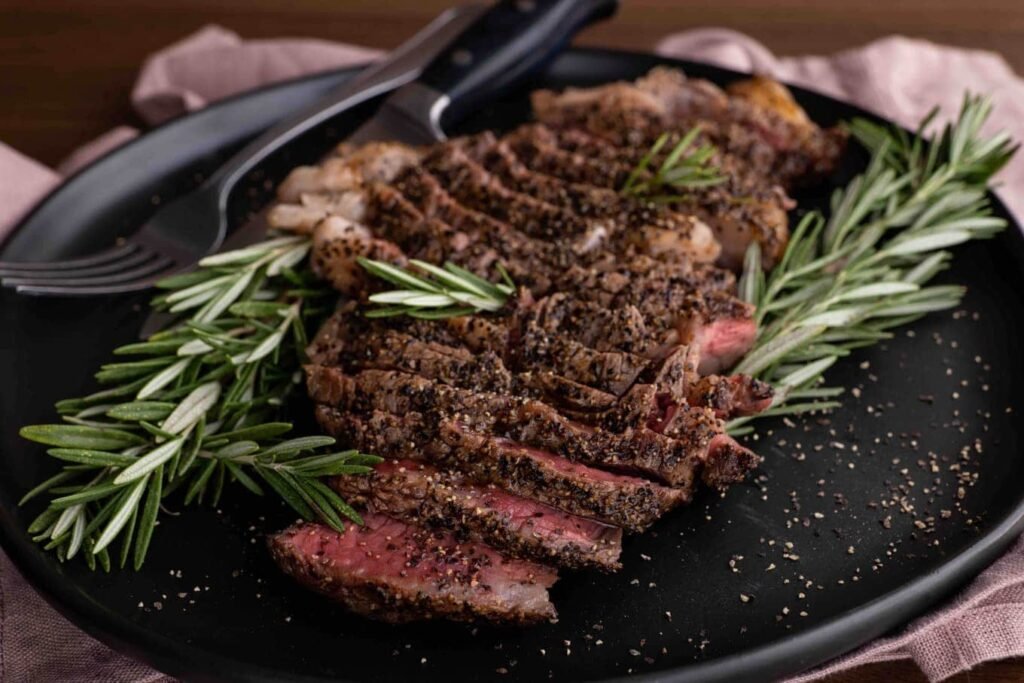
This perfect ribeye steak recipe delivers steakhouse-quality results at home by combining proper temperature management, strategic seasoning, and the classic butter-basting technique that creates a deeply caramelized crust while keeping the interior tender and juicy. The method respects the natural marbling of ribeye by allowing the fat to render properly during cooking, which self-bastes the meat from within while the external butter bath enriches every bite with garlic and herb-infused richness. With just a handful of quality ingredients and careful attention to timing and temperature, you’ll achieve that coveted edge-to-edge pink interior with a mahogany-colored crust that rivals any high-end steakhouse.
Why You’ll Love This Recipe
Restaurant Results at Home – This technique replicates the exact methods used in professional kitchens, allowing you to achieve steakhouse-quality steaks without paying premium prices or leaving your house.
Minimal Ingredient Simplicity – The short ingredient list celebrates the quality of the beef itself rather than masking it with complicated sauces or excessive seasonings that compete with the meat’s natural flavor.
Controlled Cooking Precision – Using temperature guidelines and visual cues removes the guesswork from steak cooking, giving you confidence to hit your preferred doneness level consistently every single time.
Butter-Basting Magic – The continuous spooning of herb-infused butter over the steaks during the final cooking stage adds layers of flavor while creating that glossy, professional finish you see in upscale restaurants.
Impressive Date Night Centerpiece – Few dishes communicate culinary competence and thoughtfulness quite like perfectly cooked steaks served with careful attention to technique and presentation.
Versatile Foundation Technique – Once you master this method, you can apply the same principles to any premium steak cut, from strip steaks to filets, expanding your repertoire significantly.
Ingredients You’ll Need
Main Ingredients
2 boneless ribeye steaks (1¼ inches thick, 10-12 oz each) – Provides the ideal thickness for developing a substantial crust while maintaining a properly cooked interior, with generous marbling that keeps the meat juicy and flavorful throughout cooking.
2 tbsp olive oil or avocado oil – Creates a thin coating on the steak surface that promotes even browning and prevents sticking, with avocado oil offering a higher smoke point that’s particularly beneficial for high-heat searing.
1½ tsp coarse kosher salt – Seasons the exterior deeply and draws moisture to the surface that then evaporates during cooking, creating a drier surface that browns more effectively and develops superior crust.
1 tsp freshly ground black pepper – Adds aromatic heat and slight bitterness that balances the rich, fatty nature of ribeye without overpowering the beef’s natural flavor.
2 tbsp unsalted butter – Enriches the steaks with dairy richness during the basting process and carries the flavors of garlic and herbs throughout the meat’s exterior.
3 cloves garlic, smashed – Releases aromatic compounds into the melted butter that infuse the steaks with subtle garlic essence without the harsh bite of raw garlic.
2 sprigs fresh rosemary or thyme – Contributes woody, herbaceous notes that complement beef beautifully and release aromatic oils into the butter as it heats.
Flaky salt (optional, for serving) – Provides textural contrast and bursts of salt flavor on the finished steak that enhance each bite without making the overall dish taste overly salty.
Step-by-Step Instructions
Bring Steaks to Room Temperature Remove the ribeye steaks from the refrigerator and place them on a plate or cutting board 30-40 minutes before you plan to cook. This tempering period allows the internal temperature to rise closer to room temperature, which promotes more even cooking from edge to center and prevents the exterior from overcooking while the interior remains cold.
Thoroughly Dry the Surface Use paper towels to pat both sides of each steak completely dry, pressing firmly to absorb all surface moisture. This critical step ensures maximum browning and crust development, as any remaining moisture must evaporate before the Maillard reaction can begin, which would delay crust formation and extend cooking time.
Oil and Season Generously Brush both sides of each steak with the olive oil or avocado oil, creating a thin, even coating that reaches all edges. Season all surfaces liberally with the coarse kosher salt and freshly ground black pepper, pressing the seasonings gently into the meat so they adhere properly during the aggressive searing process.
Preheat Your Pan Properly Place a cast-iron skillet over medium-high heat and let it preheat for 2-3 minutes until it’s nearly smoking hot and a drop of water evaporates immediately on contact. The pan must be blazing hot to sear the steaks properly without steaming them, so resist the temptation to add the meat before the pan reaches this critical temperature.
Sear Without Disturbance Carefully lay the steaks in the hot skillet, placing them gently to avoid splattering, and resist any urge to move, press, or flip them for 3-4 minutes. During this time, a deep mahogany crust will form on the bottom surface—you’ll know it’s ready when the steak releases easily from the pan without sticking.
Flip and Sear the Second Side Using tongs rather than a fork to avoid piercing the meat and losing juices, flip each steak in one confident motion and sear the second side for another 3-4 minutes without moving them. The second side typically requires slightly less time since the steak’s internal temperature has already begun rising during the first sear.
Reduce Heat and Add Aromatics Lower the burner to medium heat and immediately add the butter, smashed garlic cloves, and fresh herb sprigs to the pan, positioning them near the steaks where they’ll melt and infuse quickly. The reduced heat prevents the butter from burning while still maintaining enough temperature for proper cooking.
Baste Continuously Tilt the skillet slightly toward you so the melted butter pools on one side, then use a large spoon to repeatedly scoop up the herb and garlic-infused butter and pour it over the top surface of the steaks. Continue this basting process for 1-2 minutes, which adds flavor while also conducting heat to the top surface for more even cooking.
Check Internal Temperature Insert an instant-read thermometer horizontally into the thickest part of each steak, checking for your desired doneness level: 120-125°F for rare, 130-135°F for medium-rare, or 140-145°F for medium. Remember that the temperature will rise another 3-5 degrees during resting, so remove the steaks slightly before they reach your target temperature.
Rest Before Serving Transfer the steaks to a clean plate or cutting board and let them rest undisturbed for 5 minutes before slicing or serving. This resting period allows the muscle fibers to relax and reabsorb the juices that have been driven toward the center during cooking, preventing those precious juices from flooding onto the cutting board when you cut into the meat.
Finish and Serve If using flaky salt, sprinkle it sparingly over the rested steaks just before serving to add textural interest and bright salt flavor. Serve the steaks whole or slice them against the grain into thick strips, arranging them on warm plates to maintain the ideal serving temperature.
Recipe Notes & Tips
Cast Iron is Essential – While other pans can work, cast iron’s superior heat retention and even temperature distribution create the ideal conditions for developing that restaurant-quality crust without hot spots that cause uneven browning.
Salt Timing Flexibility – For even more pronounced crust development and deeper seasoning penetration, you can salt the steaks up to 4 hours in advance and refrigerate them uncovered, which dry-brines the exterior for maximum browning potential.
Don’t Skip the Rest – Cutting into steaks immediately after cooking releases all the accumulated juices onto the plate rather than keeping them in the meat, resulting in dry, disappointing steaks despite perfect cooking technique.
Thickness Matters Tremendously – Steaks thinner than 1 inch overcook too quickly to develop proper crust, while those thicker than 1½ inches may burn on the outside before the interior cooks through without finishing in the oven.
Butter Smoke Point Awareness – Adding butter at the beginning would cause it to burn and turn bitter, which is why it’s added only after reducing the heat and searing is complete, allowing it to enrich without scorching.
Thermometer Placement Precision – Insert the thermometer probe horizontally through the side of the steak into the very center to get an accurate reading of the coolest part, avoiding fat pockets that can give falsely high readings.
Nutritional Information
Prep Time: 10 minutes (plus 30-40 minutes tempering time)
Cooking Time: 10-12 minutes
Rest Time: 5 minutes
Total Time: 50-60 minutes
Servings: 2 steaks (1 steak per serving)
Calories: Approximately 650-700 calories per 10-12 oz ribeye steak with butter and oil (varies based on exact steak size and fat content)
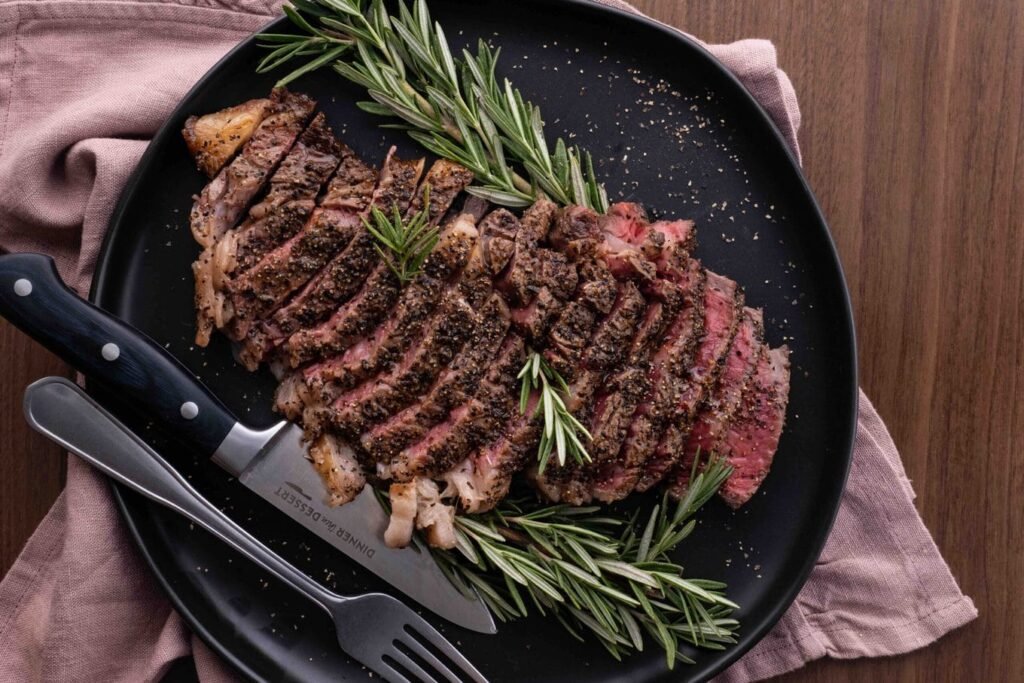
Perfect Pairings
Classic Mashed Potatoes – Creamy, buttery mashed potatoes provide a luxurious base that soaks up any steak juices and creates that quintessential steakhouse combination that never disappoints.
Roasted Asparagus or Brussels Sprouts – Caramelized vegetables with slight bitterness and crispy edges contrast beautifully with the rich, fatty ribeye while adding nutritional balance and color to the plate.
Wedge Salad with Blue Cheese – The crisp iceberg lettuce, tangy blue cheese dressing, and bacon bits offer refreshing contrast and palate-cleansing acidity that cuts through the steak’s richness.
Red Wine Selection – A full-bodied Cabernet Sauvignon or Malbec matches the intensity of ribeye’s marbling and char, with tannins that complement rather than compete with the meat’s flavors.
Ideal Occasions
Romantic Date Nights – Few meals communicate effort and sophistication quite like perfectly cooked steaks served by candlelight, making this recipe ideal for anniversaries or special celebrations at home.
Weekend Culinary Projects – When you have time to focus on technique and want to practice skills that will serve you for years, making perfect steaks provides immediate, delicious feedback on your progress.
Small Dinner Parties – Impressive enough for company but simple enough to execute without spending all evening in the kitchen, allowing you to socialize while still serving restaurant-quality food.
Celebratory Meals – Whether marking a promotion, birthday, or personal achievement, a beautifully cooked ribeye feels appropriately special and indulgent for milestone moments.
Storage & Serving Tips
Refrigerating Leftovers – Store any leftover steak wrapped tightly in plastic wrap or in an airtight container for up to 3 days, though ribeye is best enjoyed fresh and reheating inevitably compromises the texture.
Gentle Reheating Method – Warm leftover steak in a low 250°F oven until it reaches 110°F internally, which takes about 20-30 minutes and prevents the overcooking that occurs with microwave reheating.
Cold Steak Applications – Rather than reheating, consider slicing leftover ribeye thinly for steak salads, sandwiches, or breakfast hash where the texture change matters less.
Serving Temperature Matters – Steaks should be served on warm plates rather than cold ones, as cold plates quickly draw heat from the meat and can cause the fat to congeal unpleasantly.
Creative Variations to Try
Coffee-Crusted Version – Rub the steaks with finely ground coffee, brown sugar, and smoked paprika before searing for a bold crust with subtle bitterness that enhances the beef’s char.
Blue Cheese Butter Topping – Compound butter made with blue cheese, fresh herbs, and lemon zest melts over the hot steak to create an instant sauce with tangy, funky richness.
Chimichurri Enhancement – Serve the steaks with vibrant green chimichurri sauce made from parsley, oregano, garlic, red wine vinegar, and olive oil for bright, herbaceous contrast to the rich meat.
Asian-Inspired Marinade – Before cooking, marinate the steaks for 2-4 hours in soy sauce, ginger, garlic, and sesame oil, then proceed with the same cooking method for umami-packed results.
Troubleshooting Common Issues
Excessive Smoke in Kitchen – If smoke becomes overwhelming, your pan is too hot or your oil has a low smoke point; reduce heat slightly and ensure proper ventilation or use avocado oil which tolerates higher temperatures.
Steak Sticking to Pan – This indicates either insufficient preheating, inadequate oil coating, or attempting to flip before a proper crust has formed; wait until the steak releases naturally when you test lifting it with tongs.
Gray Band Around Edge – An overly thick gray ring of overcooked meat indicates cooking at too low a temperature or starting with cold steaks, both of which extend cooking time and cause more heat penetration before the interior reaches temperature.
Butter Burning During Basting – If the butter turns dark brown or black, your heat is too high after reducing from the initial sear; lower the temperature to medium-low and add fresh butter if the existing butter has scorched.
Why This Recipe Works
The success of this ribeye technique rests on understanding the physical and chemical transformations that occur during high-heat cooking and strategically managing them for optimal results. Bringing the steaks to room temperature before cooking reduces the temperature differential between the exterior and interior, which allows more even heat penetration and minimizes the overcooked gray band that develops when cold meat hits extreme heat. The thorough drying step is perhaps the most critical and most often overlooked element, since water on the surface must completely evaporate before browning can begin, and any moisture delays crust formation while the interior continues cooking. The extremely hot cast iron pan provides consistent, intense heat that triggers the Maillard reaction—the complex chemical process that creates hundreds of new flavor compounds and that characteristic brown crust. The butter-basting technique serves multiple purposes simultaneously: it adds richness and carries garlic and herb flavors throughout the exterior while also gently cooking the top surface through conduction, which creates more even doneness than flipping alone would achieve. The resting period allows the meat’s proteins to relax after the stress of high-heat cooking, enabling the muscle fibers to reabsorb the moisture they expelled toward the center during cooking. At approximately 650-700 calories per steak including the butter and oil, ribeye provides substantial protein and satisfying fat content that creates genuine satiety, though the high calorie density means portion control matters for those watching their intake.
Final Thoughts
Perfect ribeye steak represents a culinary skill that pays dividends far beyond this single recipe, teaching fundamental principles of temperature control, patience, and proper technique that apply across countless cooking scenarios. This recipe proves that exceptional results don’t require exotic ingredients or complicated procedures—they require understanding the science behind the cooking process and executing fundamental techniques with care and attention. The investment in a quality instant-read thermometer eliminates guesswork and builds the confidence to cook steaks fearlessly, knowing you can verify doneness rather than gambling with expensive cuts of meat. While ribeye is undeniably rich with its generous marbling and butter-basting preparation, the intense satisfaction it provides means you’ll likely feel content with appropriate portions when paired with vegetables and lighter sides, making it a worthwhile indulgence for special occasions rather than an everyday meal.