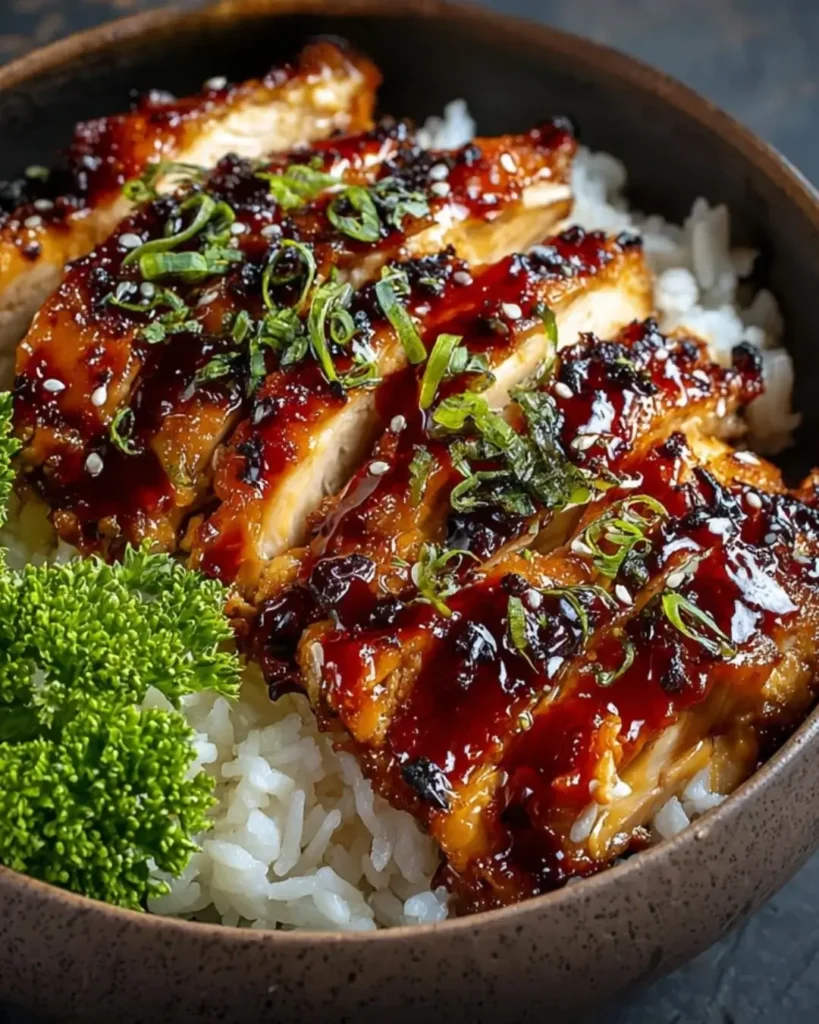
This classic Japanese-inspired dish transforms simple boneless chicken thighs into restaurant-quality dinner by marinating them in a sweet-savory teriyaki sauce made from soy sauce, brown sugar, rice vinegar, sesame oil, garlic, and fresh ginger, then grilling or pan-searing until perfectly caramelized while reducing the reserved marinade into a glossy glaze. The quick 25-minute preparation (plus optional marinating time) delivers authentic teriyaki flavors—that perfect balance of sweet, salty, and umami—making this versatile enough for weeknight dinners yet impressive enough for entertaining.
Why You’ll Love This Recipe
- Authentic Japanese Flavors – The homemade teriyaki sauce combines traditional ingredients in proper proportions, creating genuine Japanese taste far superior to bottled versions.
- Quick 25-Minute Cooking – From start to finish in just 25 minutes of active time (plus optional marinating), making this perfect for busy weeknights when you want real food fast.
- Flexible Marinating Time – While 30 minutes provides good flavor, you can marinate for as little as 15 minutes when rushed or up to 2 hours for deeper penetration.
- Chicken Thigh Superiority – Using boneless, skinless thighs instead of breasts ensures juicy, tender results that won’t dry out even if slightly overcooked.
- Two Cooking Methods – Includes instructions for both grilling (for smoky char) and skillet cooking (for convenience), adapting to your equipment and weather.
- Naturally Gluten-Free Option – Simply substitute gluten-free tamari for regular soy sauce to make this accessible to those with celiac disease.
Ingredients You’ll Need
For the Chicken:
- 1 lb boneless, skinless chicken thighs – Provides juicy, flavorful protein; thighs stay more tender than breasts
- Cooking oil spray or 1 tbsp oil – For preventing sticking on grill or skillet
For the Teriyaki Marinade/Sauce:
- ¼ cup soy sauce (or gluten-free tamari) – Forms the salty, umami-rich foundation
- ¼ cup brown sugar – Adds sweetness that balances the salty soy sauce and helps create caramelization
- 2 tbsp rice vinegar – Provides tangy acidity that brightens and balances the sauce
- 1 tbsp sesame oil – Contributes distinctive nutty, toasted flavor essential to Asian cooking
- 2 cloves garlic, minced – Infuses the sauce with pungent, savory depth
- 1 tsp fresh ginger, grated – Adds warm, slightly spicy, aromatic notes
For Thickening:
- 1 tbsp cornstarch – Creates the glossy, coating consistency of traditional teriyaki
- 2 tbsp water – Dissolves the cornstarch to prevent lumping
For Garnish:
- 2 green onions, sliced – Provide fresh, sharp onion flavor and bright green color
- Sesame seeds – Contribute nutty flavor, subtle crunch, and visual appeal
Step-by-Step Instructions
Make the Teriyaki Marinade In a medium bowl, whisk together the soy sauce, brown sugar, rice vinegar, sesame oil, minced garlic, and grated fresh ginger, stirring vigorously for 1-2 minutes until the brown sugar dissolves completely and the marinade is well combined and uniform.
Marinate the Chicken Place the boneless, skinless chicken thighs in a large resealable plastic bag or shallow glass dish. Pour the teriyaki marinade over the chicken, turning to coat all surfaces completely. Seal the bag or cover the dish with plastic wrap and refrigerate for at least 30 minutes, or up to 2 hours for more intense flavor—flip the chicken once halfway through marinating for even flavor distribution. Don’t marinate longer than 2 hours as the acid can begin to break down the texture.
Prepare for Cooking Remove the chicken from the refrigerator about 10 minutes before cooking to take the chill off—room temperature chicken cooks more evenly than cold. Remove the chicken thighs from the marinade, letting excess drip back into the container. Reserve all the marinade—you’ll use it to make the sauce. Pat the chicken lightly with paper towels if excessive marinade remains (too much liquid prevents proper browning).
Grill or Pan-Sear the Chicken For Grilling: Preheat your grill to medium-high heat (about 400°F) and oil the grates to prevent sticking. Place the marinated chicken thighs on the grill and cook for 6-7 minutes without moving, until the bottom develops char marks and releases easily from the grates. Flip and cook for another 6-7 minutes on the second side until the chicken reaches an internal temperature of 165°F when tested with an instant-read thermometer in the thickest part.
For Skillet Cooking: Heat 1 tablespoon oil in a large skillet over medium-high heat for about 1 minute until shimmering. Add the chicken thighs in a single layer (work in batches if necessary to avoid overcrowding) and cook for 6-7 minutes without moving until the bottom is golden brown and caramelized. Flip and cook for another 6-7 minutes on the second side until cooked through to 165°F internally.
Make the Teriyaki Glaze While the chicken cooks, pour the reserved marinade into a small saucepan. In a small bowl, whisk together the cornstarch and water until completely smooth with no lumps—this creates a slurry that will thicken the sauce. Add this cornstarch slurry to the saucepan with the marinade. Place over medium heat and bring to a boil, stirring constantly. Once boiling, continue cooking and stirring for 2-3 minutes until the sauce thickens noticeably and becomes glossy, coating the back of a spoon. Remove from heat.
Rest and Slice Once the chicken reaches 165°F internal temperature, remove from the grill or skillet and transfer to a cutting board. Let rest for 3-5 minutes—this allows juices to redistribute throughout the meat rather than running out when you slice. After resting, slice the chicken thighs into strips about ½ inch thick, cutting across the grain for maximum tenderness.
Serve Arrange the sliced teriyaki chicken on serving plates or a platter. Drizzle generously with the thickened teriyaki glaze, ensuring each piece gets coated with the glossy sauce. Garnish with sliced green onions and a sprinkle of sesame seeds for color and additional flavor. Serve immediately while hot.
Recipe Notes & Tips
- Chicken Thigh Advantage – Thighs contain more fat and connective tissue than breasts, making them more forgiving and flavorful; they stay juicy even if slightly overcooked.
- Fresh Ginger Essential – Fresh grated ginger provides superior flavor to ground ginger powder; use a microplane or fine grater for best results.
- Marinating Time Balance – Minimum 30 minutes provides good flavor, 1 hour is ideal, maximum 2 hours; longer can make the texture mushy from the acid.
- Temperature Accuracy – Chicken is safe at 165°F; use an instant-read thermometer for accuracy and to prevent overcooking that dries out the meat.
- Cornstarch Technique – Always mix cornstarch with cold water before adding to hot liquid; adding dry cornstarch creates lumps that won’t dissolve.
- Gluten-Free Verification – Use certified gluten-free tamari instead of regular soy sauce and verify all other ingredients are gluten-free.
Nutritional Information
Prep Time: 10 minutes
Cook Time: 15 minutes
Marinating Time: 30 minutes to 2 hours (optional but recommended)
Total Time: 25 minutes active cooking
Servings: 4 servings
Calories: Approximately 280 calories per serving (based on standard ingredients)
Perfect Pairings
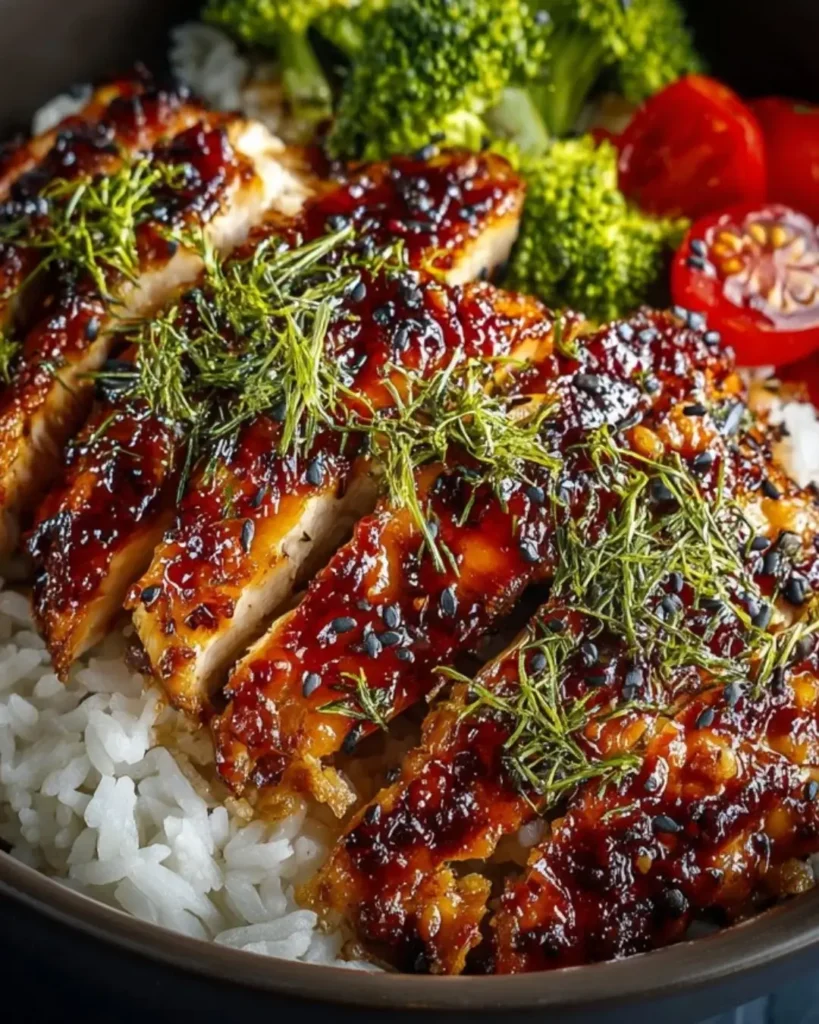
- Steamed White Rice – The classic pairing; fluffy rice soaks up the delicious teriyaki sauce and provides neutral base.
- Stir-Fried Vegetables – Serve with stir-fried broccoli, bell peppers, snap peas, or mixed vegetables for complete meal.
- Asian Slaw – Balance the richness with crunchy Asian-style cabbage slaw dressed with sesame-ginger vinaigrette.
- Fried Rice – Pair with vegetable fried rice or egg fried rice for more substantial, complete Asian-inspired dinner.
Ideal Occasions
- Weeknight Dinners – Perfect for Tuesday or Wednesday when you want something flavorful and satisfying without spending hours cooking.
- Meal Prep Success – Excellent for batch cooking; grill extra chicken and portion with rice and vegetables for grab-and-go lunches.
- Casual Entertaining – Quick enough for last-minute guests yet impressive enough to feel like you made effort.
- Summer Grilling – Ideal for outdoor cooking season when you want Asian-inspired grilled food alongside burgers and hot dogs.
Storage & Serving Tips
- Refrigerator Storage – Cool completely, then store chicken and sauce separately in airtight containers for up to 3 days.
- Reheating Instructions – Warm gently in a skillet over medium-low heat with a splash of water, or microwave on 50% power to prevent overcooking.
- Serving Temperature – This chicken is delicious hot off the grill, warm, or even at room temperature in salads or rice bowls.
- Leftover Ideas – Use cold leftover teriyaki chicken in salads, wraps, rice bowls, or fried rice for easy next-day meals.
Creative Variations to Try
- Spicy Teriyaki – Add 1 teaspoon sriracha or ½ teaspoon red pepper flakes to the marinade for heat lovers.
- Pineapple Teriyaki – Add 2 tablespoons pineapple juice to the marinade and grill pineapple slices alongside the chicken.
- Sesame-Crusted – Press toasted sesame seeds onto both sides of the marinated chicken before cooking for extra nutty flavor and crunch.
- Orange Teriyaki – Add 2 tablespoons orange juice and 1 teaspoon orange zest to the marinade for citrus-forward variation.
Troubleshooting Common Issues
- Dry Chicken – Overcooked past 165°F or used chicken breasts instead of thighs; watch temperature carefully and use juicier thighs.
- Burnt Exterior – Heat too high or sugar in marinade caramelized too quickly; reduce to medium heat and monitor closely.
- Thin Sauce – Didn’t add enough cornstarch or didn’t boil long enough; ensure proper slurry ratio and simmer until thickened.
- Chicken Sticks to Grill – Grates not properly oiled or moved too soon; oil grates well and wait until chicken releases naturally before flipping.
Why This Recipe Works
This authentic Japanese-inspired dish succeeds by balancing the essential elements of teriyaki—sweet, salty, umami—while applying proper marinating and cooking techniques that ensure juicy, flavorful results. The teriyaki marinade combines complementary ingredients that each serve specific purposes: soy sauce provides salt and umami, brown sugar adds sweetness and promotes caramelization, rice vinegar contributes acidity that brightens and tenderizes, sesame oil adds distinctive nutty aroma, while garlic and fresh ginger provide aromatic complexity. Using chicken thighs instead of breasts ensures juicier results—thighs contain more intramuscular fat and connective tissue that keep them moist even if slightly overcooked. The marinating time allows flavors to penetrate the meat’s surface while the acid begins tenderizing proteins. Cooking over medium-high heat (grilling or pan-searing) creates the Maillard reaction on the chicken’s exterior—developing complex flavors through the interaction of proteins and sugars—while the sugars in the marinade caramelize, creating appealing char and concentrated sweetness. Making sauce from the reserved marinade captures all those flavors rather than wasting them, while boiling the marinade for several minutes kills any bacteria from the raw chicken. The cornstarch slurry technique creates the glossy, coating consistency characteristic of authentic teriyaki—the starch granules gelatinize when heated in liquid, thickening the sauce while creating that signature sheen. At 280 calories per serving with 25 grams of protein and only 8 grams of carbohydrates, this delivers excellent nutrition appropriate for various healthy eating approaches while the relatively moderate fat content (15g) from the chicken thighs and sesame oil provides satisfaction without being excessive.
Final Thoughts
Teriyaki Chicken demonstrates that authentic Japanese cooking is entirely achievable at home with accessible ingredients and straightforward techniques that don’t require specialty equipment or professional training. The homemade teriyaki sauce tastes infinitely better than bottled versions—fresher, more balanced, without the excessive sweetness or artificial additives common in commercial products. This recipe proves that marinating doesn’t need to be an all-day affair; even 30 minutes provides significant flavor enhancement, making this practical for weeknight cooking when time is limited. Whether you’re seeking quick dinners that deliver authentic Asian flavors, looking for meal prep proteins that reheat well, wanting naturally gluten-free options (with proper soy sauce substitution) that don’t compromise on taste, or simply loving the sweet-savory combination of teriyaki, this versatile chicken adapts to your needs while consistently delivering that perfect bite where caramelized, juicy chicken meets glossy teriyaki glaze in quick, satisfying, absolutely delicious harmony that makes healthy eating genuinely enjoyable and every meal feel like a Japanese restaurant experience.