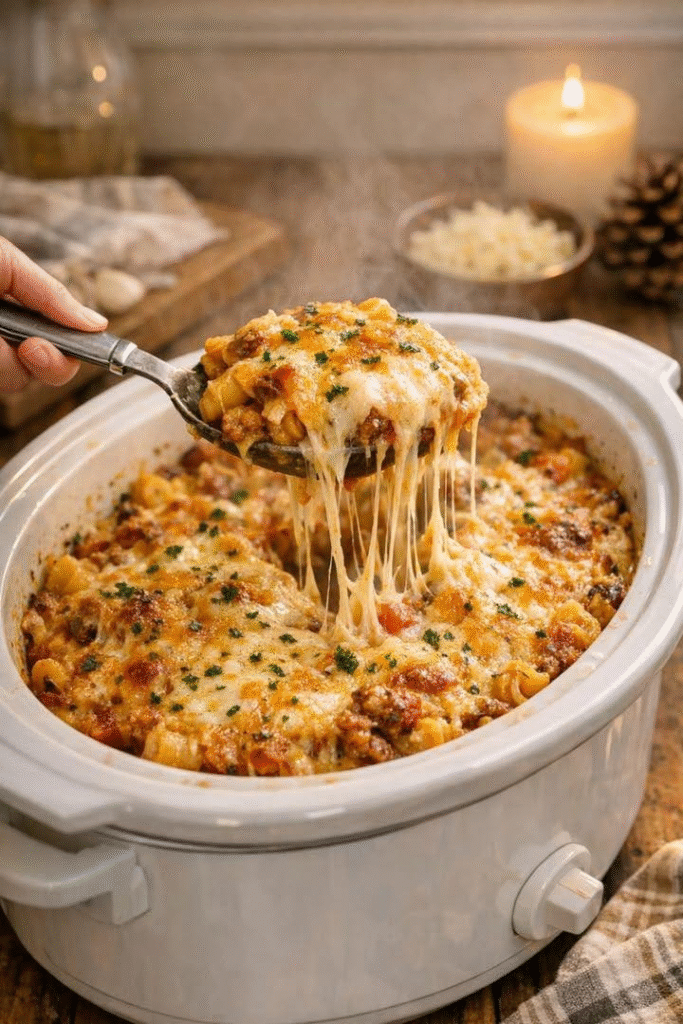
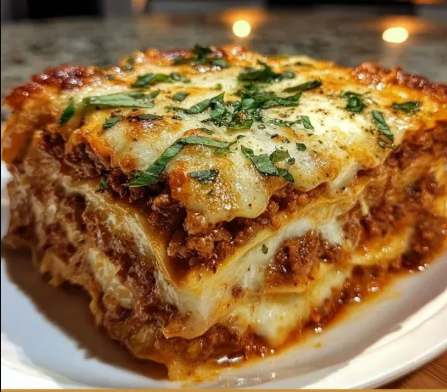
There’s something magical about a perfectly baked lasagna fresh from the oven. The bubbling cheese, the rich meat sauce, the tender pasta layers—it’s comfort food at its absolute finest. This classic lasagna recipe delivers authentic Italian flavors with multiple layers of seasoned meat sauce, creamy béchamel, and three types of cheese that melt together into pure heaven.
Whether you’re cooking for a family dinner, meal prepping for the week, or impressing guests at a dinner party, this lasagna never disappoints. The best part? While it looks incredibly impressive, it’s surprisingly straightforward to make once you understand the layering technique.
Why You’ll Love This Recipe
Restaurant-quality results at home – This lasagna rivals anything you’d get at an Italian restaurant, with rich flavors and perfect texture in every bite.
Perfect for feeding a crowd – One 9×13 pan serves 8-10 people generously, making it ideal for gatherings, potlucks, or family reunions.
Make-ahead friendly – Assemble it the night before and bake when ready, or freeze for up to 3 months for easy future meals.
Customizable base – Once you master this classic version, you can easily adapt it with vegetables, different meats, or vegetarian options.
Incredible leftovers – Lasagna actually tastes better the next day as the flavors meld together, and it reheats beautifully.
Kid-approved comfort food – Even picky eaters love the familiar flavors and cheesy goodness of homemade lasagna.
Understanding the Ingredients
The Pasta Foundation
Lasagna noodles form the structural backbone of this dish. You can use traditional dried noodles that require boiling, no-boil noodles for convenience, or fresh pasta sheets for an extra-luxurious texture. Boiling dried noodles gives you the most control over texture and prevents them from absorbing too much liquid from the sauce.
The Meat Sauce Component
The combination of ground beef and Italian sausage creates depth and complexity. The beef provides a hearty base while the sausage adds fennel, garlic, and Italian spices that infuse the entire dish. This dual-meat approach is the secret to restaurant-quality flavor.
Crushed tomatoes and tomato paste work together to create the perfect sauce consistency. Crushed tomatoes provide fresh tomato flavor and moisture, while tomato paste adds concentrated richness and helps thicken the sauce during simmering.
The Cheese Trio
Ricotta cheese provides creamy pockets throughout the lasagna. Mixing it with egg helps it set during baking so it doesn’t become watery. The egg acts as a binder that creates cohesive, sliceable layers.
Mozzarella is essential for that signature cheese pull. Using shredded mozzarella rather than fresh ensures even melting and that golden, bubbly top layer everyone loves.
Parmesan cheese adds sharp, nutty flavor that cuts through the richness. It also helps create a beautiful golden crust on top when baked.
The Béchamel Secret
Many authentic Italian lasagnas include béchamel sauce (white sauce) in addition to ricotta. This French-Italian technique creates extra creaminess and helps bind the layers together. The subtle nutmeg flavor adds an unexpected warmth that elevates the entire dish.
Step-by-Step Instructions with Chef’s Tips
Preparing the Noodles
Start by bringing a large pot of salted water to a rolling boil. Add your lasagna noodles and cook them until they’re al dente—slightly firm to the bite. Pro tip: Undercook them by 1-2 minutes since they’ll continue cooking in the oven. Drain and lay them flat on a clean kitchen towel to prevent sticking. You can lightly oil them if needed.
Building the Meat Sauce
Heat a large, deep skillet over medium-high heat. Add the ground beef and Italian sausage, breaking them into small crumbles with a wooden spoon. Cook until no pink remains and the meat has developed some golden-brown bits—this caramelization adds incredible depth of flavor.
Add the diced onion to the meat and cook for 3-4 minutes until softened. Stir in the minced garlic and cook for another minute until fragrant. Warning: Don’t let the garlic burn or it will taste bitter.
Pour in the crushed tomatoes and tomato paste, then add your herbs and seasonings. Reduce the heat to low and let the sauce simmer for 20-25 minutes, stirring occasionally. This slow simmer allows the flavors to meld and intensify while the sauce thickens to the perfect consistency. Taste and adjust seasonings—lasagna sauce should be slightly over-seasoned since the pasta and cheese will dilute it.
Making the Béchamel
In a medium saucepan, melt the butter over medium heat. Whisk in the flour and cook for 1-2 minutes, stirring constantly—this cooks out the raw flour taste and creates a roux. Gradually add the milk in small splashes, whisking constantly to prevent lumps.
Continue adding milk and whisking until all the milk is incorporated and the sauce is smooth. Cook, stirring frequently, until the sauce thickens enough to coat the back of a spoon—usually 5-7 minutes. Season with nutmeg, salt, and white pepper. Chef’s secret: The nutmeg is essential for authentic flavor, but use it sparingly—just a quarter teaspoon adds warmth without being identifiable.
Preparing the Ricotta Mixture
In a bowl, combine the ricotta cheese with one beaten egg, half of the mozzarella, half of the Parmesan, and a pinch of salt and pepper. Mix until well combined. The egg helps the ricotta set during baking so your lasagna slices cleanly instead of falling apart.
The Layering Technique
This is where the magic happens. Proper layering is crucial for a lasagna that looks as good as it tastes when you cut into it.
Start with a thin layer of meat sauce on the bottom of your 9×13-inch baking dish. This prevents the noodles from sticking and adds moisture. Arrange 4 lasagna noodles in a single layer, slightly overlapping if needed.
Spread half of the ricotta mixture over the noodles, using an offset spatula or the back of a spoon to create an even layer. Drizzle or spread a portion of the béchamel sauce over the ricotta. Add a generous layer of meat sauce, then sprinkle with mozzarella.
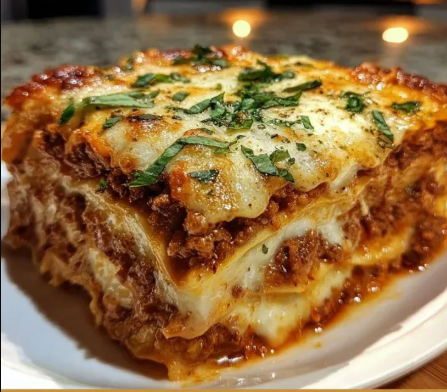
Repeat this entire sequence: noodles, remaining ricotta mixture, béchamel, meat sauce, and mozzarella. Finish with a final layer of noodles, the remaining meat sauce, and a generous topping of mozzarella and Parmesan. Visualization tip: You should have three distinct layers of pasta with filling between each.
Baking to Golden Perfection
Cover the baking dish tightly with aluminum foil—make sure the foil doesn’t touch the cheese or it will stick. Pro tip: Spray the underside of the foil with cooking spray to prevent sticking.
Bake at 375°F for 25 minutes covered. This allows the lasagna to heat through without over-browning the top. Remove the foil and bake for an additional 25 minutes uncovered until the cheese is golden brown and bubbling at the edges.
The Crucial Resting Period
Here’s where many home cooks make a mistake: they cut into the lasagna immediately. Let it rest for 15-20 minutes after removing from the oven. This resting time allows the layers to set and the cheese to firm up slightly, resulting in clean slices that hold their shape. It also prevents you from burning your mouth on molten cheese!
Pro Tips and Tricks
Salt your pasta water generously – It should taste like the sea. This is your only chance to season the noodles from the inside out.
Don’t skip the egg in the ricotta – This is what helps your lasagna slice cleanly instead of falling apart into a saucy mess.
Use a deep dish – A standard 9×13 pan should be at least 2-3 inches deep to accommodate all those beautiful layers.
Rotate during baking – Turn the pan 180 degrees halfway through baking for even browning, especially if your oven has hot spots.
Watch for the bubble test – Your lasagna is done when the edges are bubbling vigorously and the center jiggles just slightly when you shake the pan.
Use a sharp, thin knife – For the cleanest cuts, use a long, thin knife and wipe it clean between each slice.
Customization Ideas
Vegetable-loaded lasagna – Add layers of roasted vegetables like zucchini, bell peppers, mushrooms, or spinach between the traditional layers.
Spicy kick – Add red pepper flakes to the meat sauce or use hot Italian sausage for heat.
White lasagna – Skip the tomato sauce entirely and make it with extra béchamel, chicken, and vegetables for an Alfredo-style version.
Seafood variation – Replace the meat with a mixture of shrimp, scallops, and crab in a white wine cream sauce.
Mexican-inspired – Use seasoned ground beef, enchilada sauce, black beans, corn, and Mexican cheese blend.
Pesto addition – Swirl basil pesto into the ricotta mixture for an herby, garlicky twist.
Storage and Meal Prep Tips
Refrigerator storage: Cover cooled lasagna tightly with plastic wrap or transfer to an airtight container. It will keep for 3-4 days in the refrigerator. Reheat individual portions in the microwave or the entire pan covered with foil at 350°F for 20-25 minutes.
Freezer instructions: Lasagna freezes exceptionally well. You can freeze it before or after baking. For unbaked lasagna, assemble completely, wrap tightly in plastic wrap and then aluminum foil, and freeze for up to 3 months. Bake from frozen, adding an extra 30-40 minutes to the covered baking time.
For baked lasagna, let it cool completely, cut into portions, wrap each piece individually, and freeze in a container or freezer bag. Individual portions can be reheated directly from frozen in the microwave for quick meals.
Make-ahead strategy: Assemble the lasagna up to 24 hours before baking. Cover and refrigerate, then add 10-15 minutes to the covered baking time since it’s starting cold.
Nutritional Benefits
While lasagna is undeniably an indulgent comfort food, it does provide nutritional value. The ground beef and sausage supply high-quality protein and iron. Tomatoes are rich in lycopene, a powerful antioxidant that’s even more bioavailable when cooked. The dairy components provide calcium and protein, while garlic and onions offer immune-boosting compounds.
To make it lighter, you can use ground turkey or chicken instead of beef and sausage, part-skim cheeses, and add extra vegetables. However, the traditional version is perfect for occasions when you want true comfort food that feeds both body and soul.
Serving Suggestions
Lasagna is a complete meal on its own, but a few simple sides elevate it to a full Italian feast. Serve with a crisp Caesar salad or simple mixed green salad with balsamic vinaigrette to cut through the richness. Garlic bread or crusty Italian bread is perfect for sopping up extra sauce.
For beverages, pair it with a medium-bodied red wine like Chianti, Sangiovese, or Montepulciano d’Abruzzo. The acidity in these wines complements the tomato sauce beautifully. For non-alcoholic options, sparkling water with lemon or Italian soda works wonderfully.
Portion sizes: A 9×13 pan typically yields 8-10 servings depending on appetite. Cut into 3×3 or 3×4 sections for generous portions.
Why This Recipe Works
This lasagna succeeds because it balances moisture, flavor, and structure. The combination of meat sauce and béchamel provides enough liquid to keep the pasta tender without making it soupy. The ricotta-egg mixture sets during baking, creating distinct layers rather than a mushy casserole.
The dual meat combination creates complexity you can’t achieve with beef alone. The long-simmered sauce develops deep flavors, while the béchamel adds richness that straight ricotta can’t match.
The covered-then-uncovered baking method ensures the lasagna cooks through completely while achieving that gorgeous golden-brown, bubbling cheese top. The resting period allows the structure to set so your hard work pays off with beautiful, photo-worthy slices.
Conclusion
Mastering homemade lasagna is a rite of passage for any home cook. While it requires several steps and some patience, none of the techniques are difficult—it’s simply about building layers thoughtfully and allowing time for proper cooking and resting.
Once you’ve made this classic version, you’ll have a go-to recipe for family dinners, special occasions, and meal prep sessions. The comfort of pulling a golden, bubbling lasagna from your oven is unmatched, and the satisfaction of slicing into those perfect layers makes every bit of effort worthwhile.
This recipe yields a lasagna that’s rich without being heavy, flavorful without being overpowering, and impressive without being complicated. It’s the kind of dish that brings people together around the table, creates lasting memories, and keeps them coming back for seconds. Make it once, and it’ll become a permanent fixture in your cooking repertoire.